
Discover the Untold Story Behind the Making of Rocky in 'I Play Rocky'

An Insightful Look at the Making of a Classic
The upcoming biographical film, I Play Rocky, directed by Peter Farrelly and penned by Peter Gamble, delves into the challenging journey of creating the iconic 1976 film Rocky. Set to be released in 2026 and distributed by Amazon MGM Studios, the movie features Anthony Ippolito portraying a young Sylvester Stallone during his early years in New York City and Los Angeles. The plot centers on Stallone's fierce battle to retain creative control over his screenplay, particularly his determination to play the lead role despite pressure from studio executives to cast a more recognized actor.
Joining the cast are AnnaSophia Robb as Stallone's first wife, Sasha Czack, and Matt Dillon as his father, Frank Stallone Sr. The narrative follows Stallone through his struggles with near-homelessness, various odd jobs, and the inspiration he draws from witnessing the legendary fight between Muhammad Ali and Chuck Wepner. The tension escalates when producers Irwin Winkler and Robert Chartoff show interest in the screenplay, but face pushback from United Artists executive Sandy Maddox, who insists on a more marketable lead. Stallone's insistence on keeping the lead role forces the producers to gamble their own finances to keep the budget below $1 million, enabling the project to proceed under director John G. Avildsen.
The Emotional Journey of Stallone
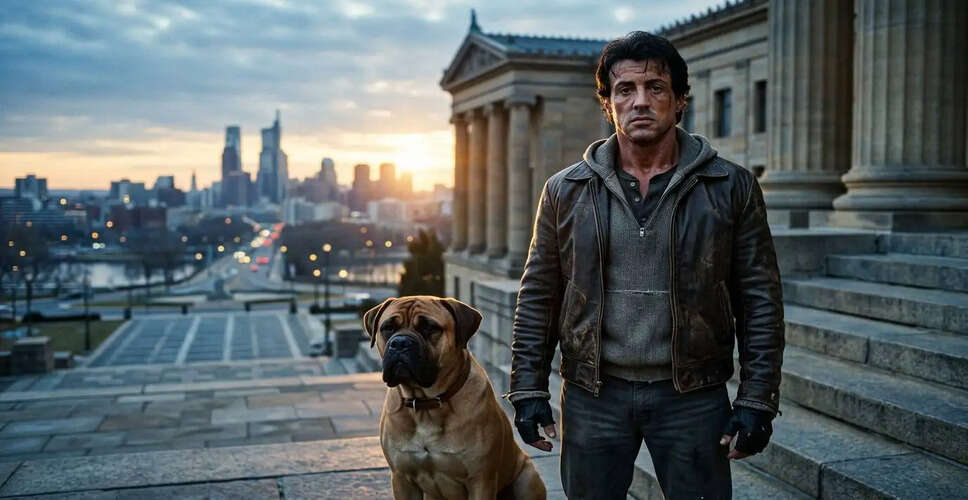
A significant aspect of the film highlights the personal sacrifices Stallone made in pursuit of his artistic vision. It showcases his relationship with Sasha, who motivates him to embrace his birth name and focus on his writing, as well as his deep bond with his dog, Butkus. A poignant moment in the film depicts Stallone's heart-wrenching decision to sell his dog to buy groceries, illustrating the financial struggles he faced early in his career. His eventual reunion with Butkus symbolizes the loyalty that underpinned his journey, emphasizing that his achievements were rooted in personal connections rather than mere fame.
The depiction of the original Rocky's production reveals a high-stress atmosphere where Stallone's position was precarious. The film captures the tension on set, especially during the memorable confrontation scene with Burgess Meredith's character, Mickey. In this pivotal moment, Stallone channels his real-life frustrations with his father and years of rejection into an improvised performance, showcasing how he infused his personal experiences into the character of Rocky Balboa.
A Unique Conclusion
Instead of concluding with the anticipated boxing match, I Play Rocky opts to finish on the steps of the Philadelphia Museum of Art. This creative decision shifts the focus from the fictional character's journey to the real-life resilience of Stallone as both an actor and writer. By ending at this iconic location, the film mirrors the memorable imagery of the original while framing Stallone's victory as a personal achievement, accomplished on his own terms against all odds.
The film's ending is further enriched during the mid-credits and final scenes, which juxtapose recreated footage of the Rocky–Apollo Creed fight with archival clips from the 1977 Academy Awards, where Winkler and Chartoff celebrate their film's Best Picture win. This biographical drama effectively connects fiction with reality, and the inclusion of archival footage from the 1976 Tonight Show featuring Johnny Carson and Stallone serves as a poignant reminder of the improbability of Stallone's success, underscoring how his steadfast commitment to his vision ultimately transformed his career.