
Gangs of Wasseypur Part 2: A Blood-Soaked Journey Through Violence and Redemption
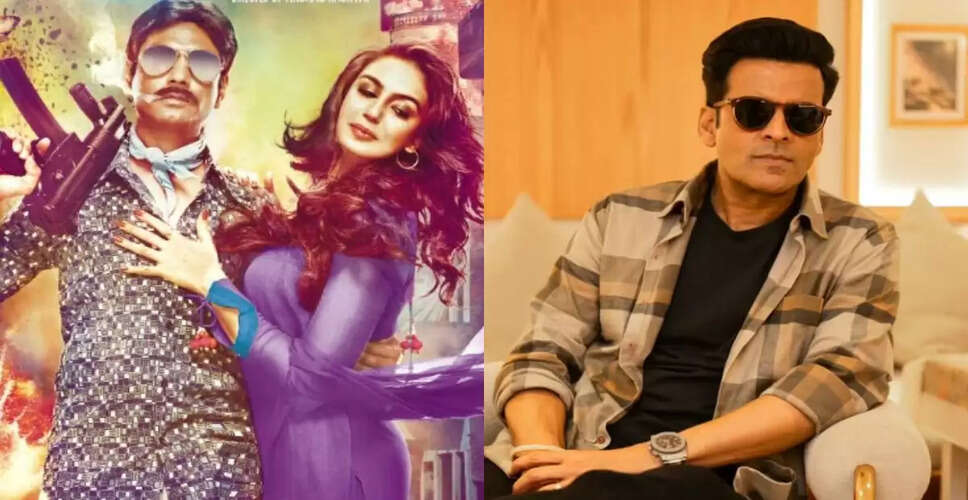
Exploring the Dark World of Gangs of Wasseypur 2
Released just two weeks after its predecessor, Gangs of Wasseypur Part 2 escalates the violence to new heights. The relentless barrage of bullets fired at unsuspecting victims in Anurag Kashyap's gritty narrative may leave viewers overwhelmed. The characters navigate a treacherous landscape of revenge and redemption, teetering on the brink of chaos without fear of the consequences that await them.
In this bleak universe, even law enforcement is treated with disdain, a sentiment echoed by the characters themselves. A darkly humorous moment occurs just before the intermission when the furious protagonist, Faizal, is stopped by police while carrying his deceased brother home. The officers, rather than showing authority, suggest he hand over the body to them.
This interaction exemplifies the portrayal of police in commercial Hindi cinema, often depicted as ineffective and late to respond. Kashyap cleverly infuses humor into the film, creating a vivid homage to the culture of street violence. The gang conflicts are portrayed with such intensity that they blur the line between reality and fiction, creating a surreal atmosphere.
The film's depiction of violence in the politically charged environment of Wasseypur is exaggerated to an extreme, where even trivial offenses can lead to fatal consequences. The soundtrack, featuring evocative folk songs from Bihar, enhances the visceral experience, while nostalgic tracks from the 1980s add a layer of irony.
As the narrative progresses into the 2000s, the characters remain anchored in the past, with their mobile phones ringing with retro caller tunes. Yashpal Sharma, a local singer, provides a comedic backdrop to tragic events, singing songs that unintentionally undermine the gravity of the situations.
The humor in the violence is evident in scenes of miscommunication among assassins, reminiscent of classic action-comedy films. Kashyap's self-referential style shines through as he critiques his own homage to gangster culture.
In one memorable scene, an assassin is misled by a victim who provides incorrect directions before being shot in a bustling market. This blend of humor and violence is a hallmark of the film, which showcases the absurdity of life in Wasseypur.
The film's pacing is relentless, with a mix of tragic and comedic violence that underscores the characters' chaotic lives. Nawazuddin Siddiqui delivers a standout performance as Faizal, embodying the essence of a volatile gangster. Richa Chadda's portrayal of his mother adds depth, showcasing her emotional range during a family wedding scene.
The film features a talented ensemble cast, including Aditya Kumar and Zeishan Quadri, whose performances contribute to the film's rich tapestry. The dynamic between Faizal and his half-brother Definite draws parallels to classic Bollywood relationships, adding layers to their characters.
Kashyap's film replaces the fictional ketchup of 1980s action films with real blood, emphasizing the emotional stakes of the characters. The conclusion of the saga sees Faizal facing dire consequences, reinforcing the notion that in this world, violence begets violence.
Reflecting on the filming experience, Manoj Bajpayee expressed his excitement upon seeing the final edit, recognizing its uniqueness and the collaborative effort that brought it to life. He praised his co-stars, highlighting the camaraderie formed during production.
Interestingly, Bajpayee and Kashyap had a fallout during filming, leading to an 18-year silence between them. Bajpayee recalls the challenges faced during production, hinting at stories that could fill a book.