
FIFA World Cup 2026: Mexico Faces Labor Protests Ahead of Historic Event

Mexico to Host FIFA World Cup 2026
Mexico has been chosen, along with the USA and Canada, to host the FIFA World Cup 2026. This marks a significant return for the tournament to Mexico after 40 years, making it the third time the country has hosted this prestigious event.
Previously, Mexico held the World Cup in 1970 and 1986, where legendary teams like Pele's Brazil and Diego Maradona's Argentina triumphed, creating unforgettable moments in football history. The excitement surrounding the return of this global event to North America is palpable.
Labor Protests Impacting World Cup Preparations
As Mexico gears up to host the opening match against South Africa at Estadio Azteca, it is facing significant labor protests that are disrupting logistics. Authorities are implementing strict travel corridors and enhancing security measures for international fans attending the highly anticipated match.
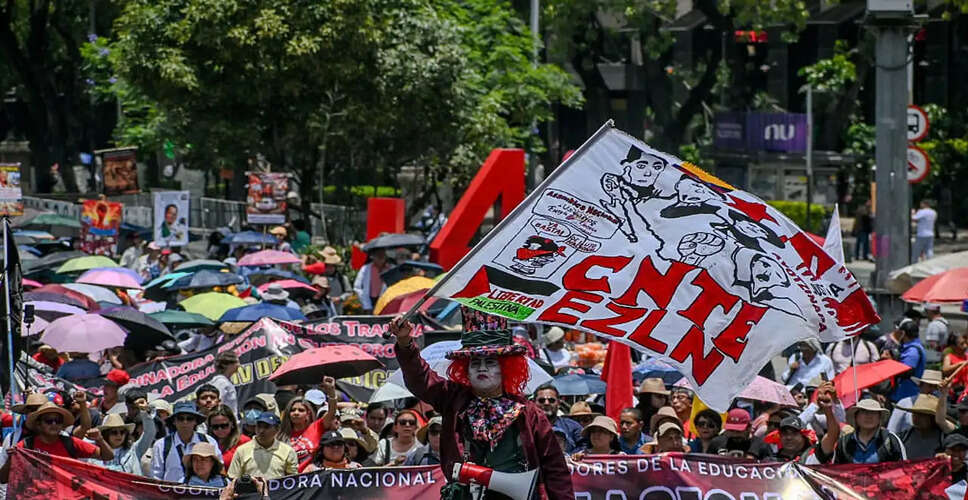
The protests, led by the National Coordinator of Education Workers (CNTE), are aimed at reversing educational reforms perceived as detrimental to public sector employees. Educators are demanding a substantial salary increase, a 100% wage hike to counter inflation, and a complete overhaul of the pension system.
Protests Escalate Ahead of the Tournament
The CNTE has strategically timed these protests to coincide with the World Cup, knowing that the influx of international media and dignitaries would compel the government to address their demands swiftly. Recent protests have turned violent, with clashes occurring near the Zocalo in Mexico City as demonstrators attempted to breach security barriers.
Protesters gathered outside the Interior Ministry, chanting, "If there is no solution, the ball won’t roll," highlighting their determination to be heard. Union leader Filiberto Frausto criticized the government's focus on World Cup-related commercial interests over workers' rights.
Government Response and Ongoing Tensions
In response to the escalating protests, the government has expressed a willingness to engage in dialogue, with President Claudia Sheinbaum Pardo stating that they are committed to addressing feasible demands. However, many educators remain skeptical, viewing the government's efforts as mere empty promises.
The protests have begun to affect local businesses, with reports of decreased foot traffic and temporary closures in downtown areas, raising concerns as the opening ceremony approaches.