
Exploring the Timeless Allure of Dracula: A New Audio Adaptation by Mary Lambert

The Fascination with Mortality in Dracula
Director Mary Lambert believes that the lasting charm of Bram Stoker’s Dracula stems from a deep-seated human truth: our shared, often intense fixation on mortality. As she adapts this classic vampire tale into a new audio drama for Audible, Lambert perceives the story not merely as a horror narrative but as a contemporary myth that reflects society's ongoing battle with the acceptance of aging.
“Perhaps one day science will conquer aging and death, but for now, we have not,” Lambert remarked in a recent interview. “Yet, our obsession with it is undeniable. As a society, we are completely fixated.” She points out that the extreme measures people take to preserve a youthful look often do not lead to true happiness, indicating that the quest for immortality—a central theme in the Dracula saga—remains as pertinent today as it was when Stoker first wrote the novel.
Creating Horror Through Sound
Crafting Horror Through Sound and Silence
The Audible adaptation boasts a talented cast, featuring Jonathan Bailey, Ella Purnell, and Aimee Lou Wood. The narrative centers on Mina, who searches for her missing fiancé in Transylvania, uncovering the story through letters, journals, and eerie accounts. Lambert aimed to stay true to the original text while reinterpreting it for audio, focusing on immersive dialogue and elaborate sound design rather than descriptive writing.
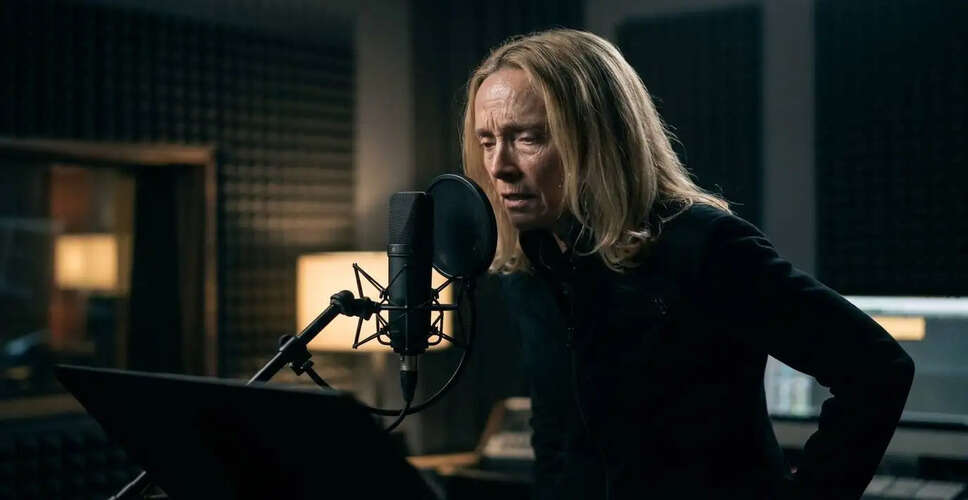
Directing an audio production posed distinct physical challenges for the performers. Unlike film, where visual elements guide the viewer, the actors had to express actions—like ascending a staircase—solely through their vocal performances and movements in the recording studio. Lambert described this process as an “isometric exercise,” demanding that actors exert energy against unseen forces while maintaining the accuracy required for microphone work. She particularly praised Jonathan Bailey's performance, which is enhanced by the atmospheric music and soundscapes of the production.
The Significance of Horror in Society
The Enduring Power of the Horror Genre
Beyond the technical elements of the production, Lambert contemplates the broader significance of horror as a genre. She argues that horror provides a vital outlet for the anxieties of everyday life, whether those fears stem from global issues or personal struggles. By framing these fears, horror narratives allow audiences to process emotions that might otherwise feel insurmountable.
For Lambert, the essence of effective horror—whether in film or audio—lies in constructing a coherent universe with defined rules. She notes that the genre has a rhythmic quality, akin to dance, requiring a careful balance of tension and release. Ultimately, she views Dracula as a symbol of an inherent, unavoidable evil. “We are all Dracula,” she stated, implying that once someone encounters the darkness of the myth, the journey back to normalcy is forever altered. This production is now available on Audible, marking a fresh chapter in the storied legacy of Stoker’s iconic monster.