
Exploring the Struggles of Opium Farmers in 'I, Poppy'
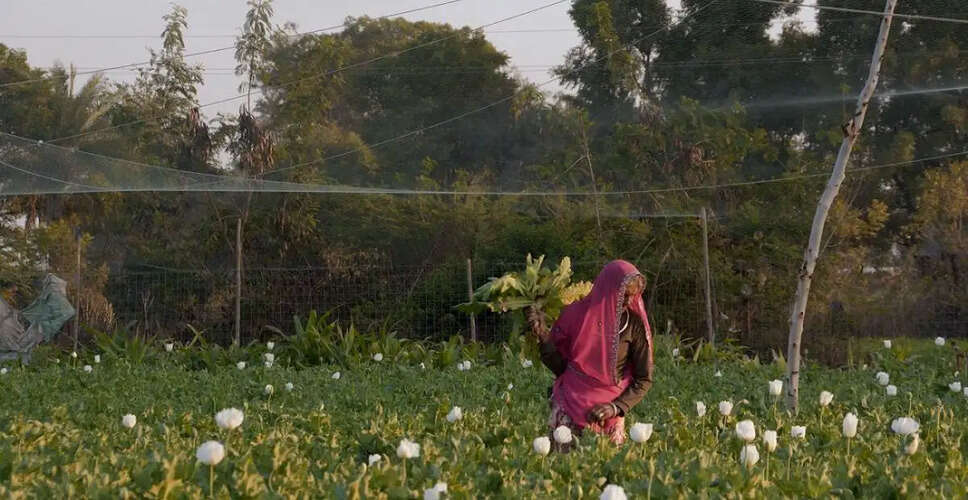
An Insightful Documentary on Opium Cultivation
Vivek Chaudhary’s documentary, I, Poppy, offers a poignant look into the lives of a financially struggling family of opium farmers in Rajasthan. This compelling film delves into how agricultural policies impact both farming practices and the personal lives of these cultivators.
Mangilal Meghwal, a small-scale farmer, expresses his frustration over the numerous obstacles he faces, including low prices for his produce and rampant corruption. He reveals that government officials often demand bribes to certify the quality of opium extract, compelling farmers to resort to illegal markets. The renewal of licenses for this medically essential crop hinges on bribery or arbitrary decisions.
Refusing to remain passive, Mangilal is a vibrant and outspoken figure who attempts to rally protests. His mother, Vardibai, along with his two sons, are increasingly concerned about his mounting debts and risky activism.
Over four years, I, Poppy intimately captures the dynamics between Mangilal and his family. The film excels in character portrayal, showcasing Vardibai as cautious and resigned, while Mangilal is flamboyant and confrontational. The narrative, crafted by Chaudhary, cinematographer Mustaqeem Khan, and editors Tanushree Das and Camille Mouton, reflects the rural unrest stemming from external pressures and personal attitudes.
Completed in 2025, I, Poppy has been featured in several esteemed festivals, including Hot Docs, Busan, and DOC NYC. Chaudhary previously co-directed Goonga Pehelwan (2014), a National Film Award-winning documentary about the challenges faced by a deaf wrestler named Virender Singh.
Chaudhary's interest in filmmaking sparked during his commerce studies in Ahmedabad. His passion for sports and his mother's deafness inspired him to create Goonga Pehelwan. Currently, he and Mustaqeem Khan are working on a fictional film inspired by Goonga Pehelwan.
The journey of I, Poppy continues as the 82-minute documentary is set to be screened on April 16 at the G5A cultural centre in Mumbai. Following this, it will be showcased at Bertha DocHouse, a cinema in London dedicated to documentaries, starting April 17. The film is also scheduled for various festivals in Taiwan, Paris, Munich, and Berlin.
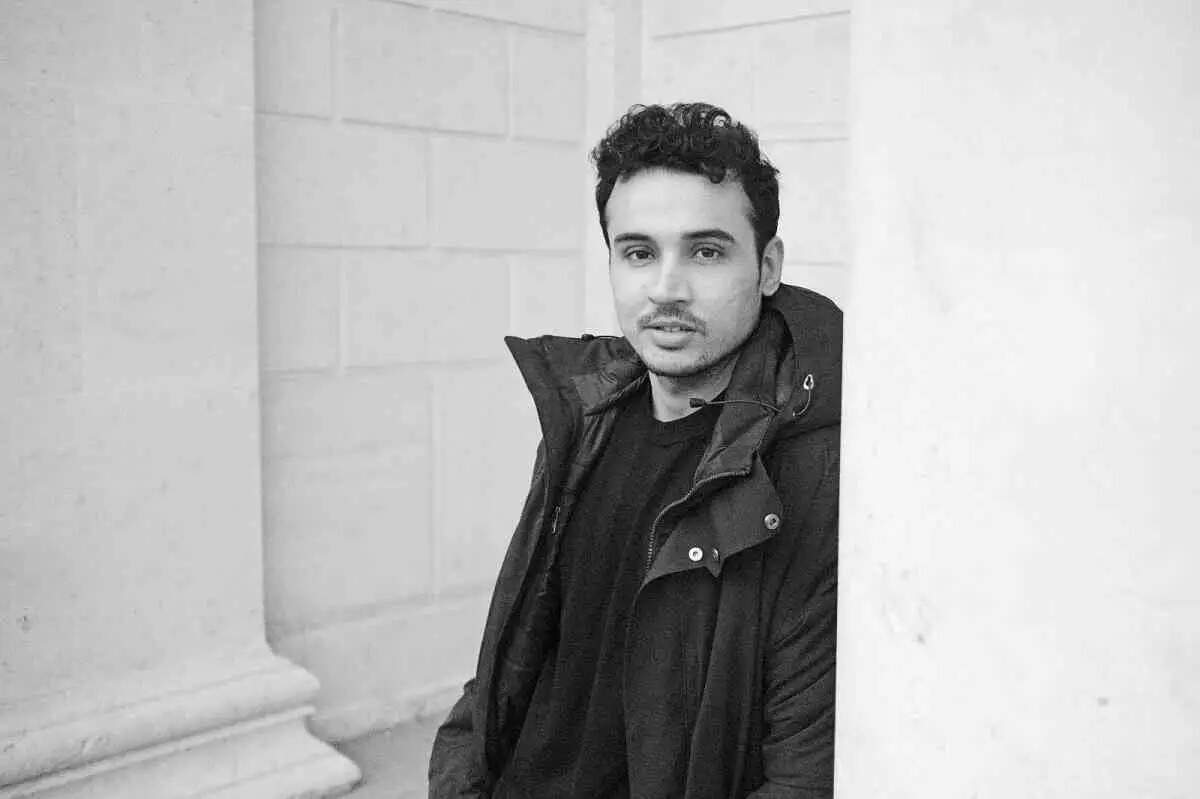
In a recent interview, 36-year-old Chaudhary reflected on the making of I, Poppy and its stylistic choices. Here are some edited excerpts.
What led you to focus on opium?
My exploration of opium cultivation began in early 2017. Although I hail from Barmer in Rajasthan, where opium is not cultivated, there is significant cultural usage of it.
Initially, the film was intended to cover a broader narrative involving opium farmers, traffickers, and addicts, including patients in need of morphine who lack access. I encountered various individuals, including those involved in the opium trade, as I sought to understand addiction.
Is it akin to an 'Udta Rajasthan'?
Indeed. Mustaqeem and I are developing interconnected stories within the realm of opium, which we informally refer to as Udta Rajasthan.
The original concept became increasingly risky and time-consuming. We aimed to film during the 2018 growing season, having identified three families with compelling stories. However, they withdrew one by one, likely to avoid potential repercussions.
How did you choose the Meghwal family?
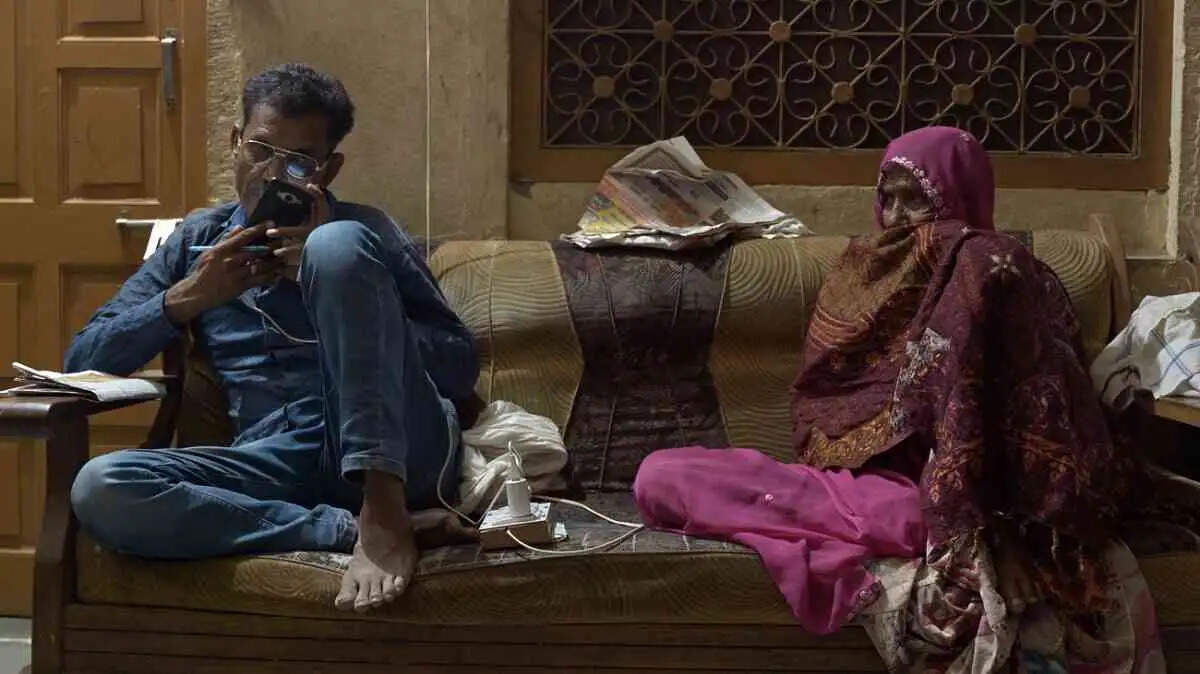
We first met Mangilal at a protest in 2018. He didn’t conform to the typical image of a Rajasthani farmer. At one point, we were surrounded by a group of farmers who destroyed our memory cards. Mangilal learned of this and advised us to stay with him for safety. Although we were hesitant, we appreciated his political stance.
That night, we entered his home and sensed tension between him and his mother. After seeking permission to film, we found that the presence of the camera altered the dynamics, yet much remained unchanged, which was intriguing. We spent another day with them and visited their fields, leading us to realize that there was a film to be made.
We filmed the family across four seasons, from October 2019 to January 2022, followed by an extensive editing process.
What aspect of the Meghwal family dynamic became central to the narrative?
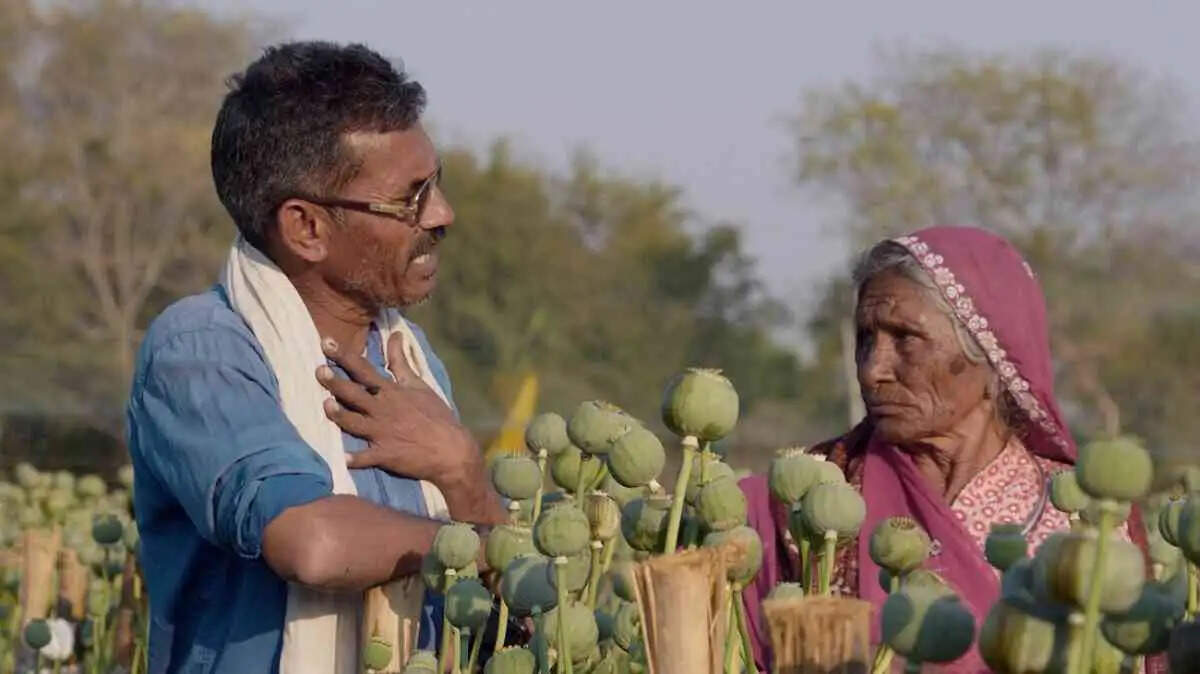
At its core, the film illustrates a world plagued by broken systems. One perspective is pragmatic, represented by the mother, while the other is idealistic, embodied by Mangilal.
He thrives in social settings and is a complex character, especially within a family that is not only economically disadvantaged but also belongs to a lower caste. As an activist, he is eager to share their story, making him an irreplaceable character.
The interpersonal relationship with his mother adds depth to the narrative, highlighting the dichotomy within the household and its broader implications.
Why did you primarily focus on Mangilal, Vardibai, and their sons?
Mangilal has a wife and an elder son, Dinesh, who also has a wife. We intended to include them as they play significant roles in the household's dynamics.
However, being in a conservative Rajasthani household posed challenges. Their presence often felt masked, with only fleeting glimpses of their interactions.
With Mangilal, we connected through his activism and spent time with his mother, which helped us gain their trust. This dynamic influenced our decision to focus on them rather than the other women in the household.
Vardibai sometimes addresses the film crew directly, making you part of the conflict. Did the dynamics change during filming? Did you intervene?
We arrived during a period of significant tension. Our role was to help bridge gaps between them. We sought moments when the atmosphere was less charged.
At times, deep-seated resentment hindered communication. For instance, in the film, during a confrontation, the mother turns to us while speaking to her son. She would also confide in us off-camera, as we aimed to foster understanding.
Mangilal has a sister who once asked if I could talk to him, as he listens to me. Mustaqeem and I had a conversation with him, but I couldn't dictate his actions.
Living with the family, as the nearest hotel was hours away, allowed us to witness many moments outside of filming.
What challenges did you face in crafting a narrative from real-life experiences over time?
I was drawn to the idea of observing a family over an extended period. Such films resonate with me.
I wanted the audience to experience life alongside a family in such circumstances, to understand the difficult choices they face in a world that is often overlooked.
I acknowledge that funding influences the narrative. Some funders insisted on highlighting the Meghwals' Dalit identity early on, but we resisted, believing that identity should emerge organically from lived experiences.
We aimed to portray them respectfully, avoiding stereotypes. The film captures humor and sadness, presenting them as fully realized characters rather than mere representations of their caste or social status.
What complications arise from this storytelling approach?
I nearly abandoned the film due to the ethical complexities involved.
This may be my final documentary focusing on individuals outside my own family. I can only engage in projects where I feel I can contribute meaningfully. However, the challenge lies in balancing my own struggles with those of the families I document.
How did the Meghwals respond to the documentary?
They viewed it before its premiere at Hot Docs, and a strong sense of trust had developed as we shared nearly everything with them.
Initially, we presented a three-minute teaser featuring a conflict. While Mangilal was accepting, his mother was not pleased. Mangilal, being perceptive, understood our intentions—that the system was driving their conflicts. This understanding eased tensions.