
Exploring the Legacy of Dr. Mabuse: The Archetype of Cinematic Villainy

The Impact of Suicide Squad and the Joker's Limited Role
The recent release of the comic book film Suicide Squad has generated significant box office success since its debut on August 1, leading to discussions about a potential sequel. This success comes despite the limited appearance of one of the film's most anticipated characters, the Joker.
Previously portrayed by actors like Jack Nicholson and Heath Ledger, Jared Leto's take on the Joker was highly awaited. Fans speculated whether he would embody the character's chaotic nature or present a more comedic version.
However, Leto's screen time was insufficient to fully showcase his interpretation. Reports surfaced of a fan threatening legal action against the production company for misleading marketing, highlighting the audience's desire for a compelling and genuinely menacing villain.
The Origins of the Archetypal Villain: Dr. Mabuse
The Joker's character draws inspiration from historical figures, including Dr. Mabuse, who first appeared in 1922, created by German director Fritz Lang. Based on Norbert Jacques' novels, Lang's silent film Dr Mabuse Der Spieler presents a chilling depiction of a master criminal.
Mabuse's influence extends across various sectors, manipulating stock markets and gambling establishments. His ability to disguise himself and hypnotize his victims underscores his formidable presence.
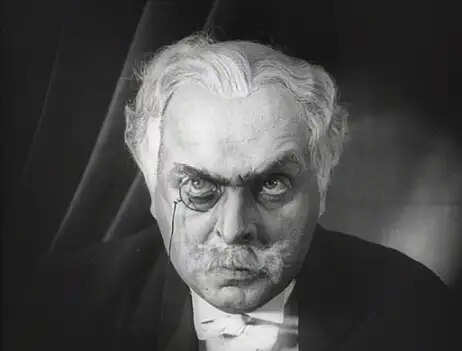
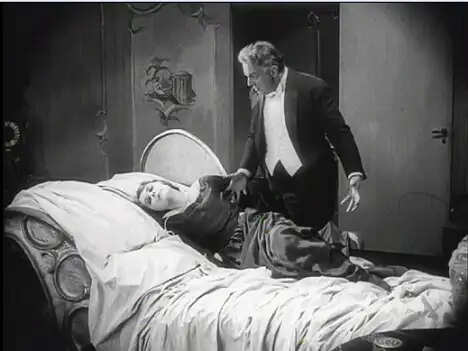
The film, which spans 270 minutes and is divided into two parts, showcases Mabuse orchestrating a stock market crash and using hypnosis to exploit a wealthy nobleman. The narrative follows the prosecutor's attempts to capture him, culminating in his eventual downfall.
The Societal Reflections in Mabuse's Story
Lang's work transcends mere action thriller conventions, reflecting a Germany steeped in hedonism and chaos, which ultimately succumbed to the machinations of a mastermind. The economic turmoil of the 1920s and 30s contributed to the rise of extremist ideologies, with Mabuse serving as a metaphor for societal manipulation.
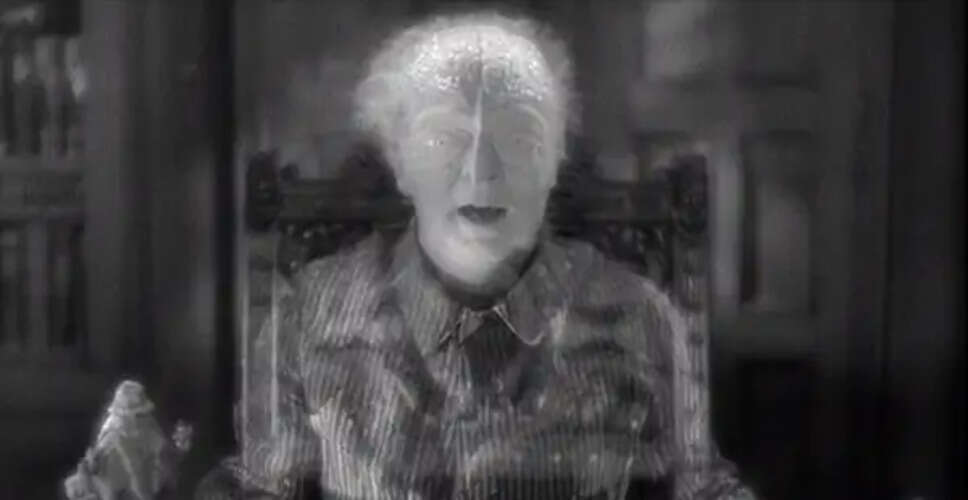
The sequel, The Testament of Dr Mabuse, released in 1933, further explores the character's legacy. This sound film reveals Mabuse's thoughts through a psychologist's obsession, showcasing his influence over criminal enterprises even from a catatonic state.
Mabuse's Enduring Influence and Modern Parallels
Mabuse's philosophy of instilling fear to create a 'crime empire' resonates with contemporary audiences. The film's release coincided with the rise of the Nazi Party, leading to its ban by Goebbels, who recognized the parallels between the film's themes and the political climate.
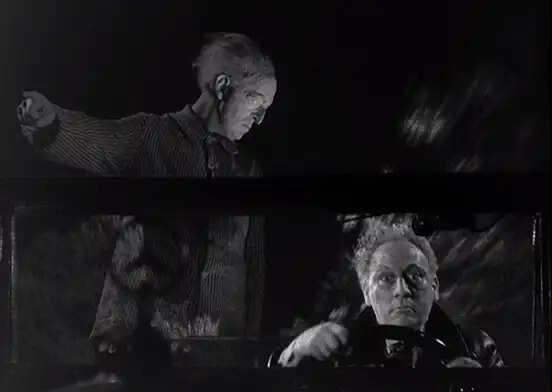
Lang's final film, The Thousand Eyes of Dr Mabuse, released in 1960, continues to explore themes of surveillance and control, reflecting modern anxieties about privacy and power.
Conclusion: The Legacy of Dr. Mabuse
Through his films, Lang not only crafted thrilling narratives but also provided a lens through which to examine societal fears. Mabuse remains a compelling figure, symbolizing the darker aspects of human nature and the complexities of villainy in cinema.