
Exploring the Intriguing Themes of Charak: A Film Review
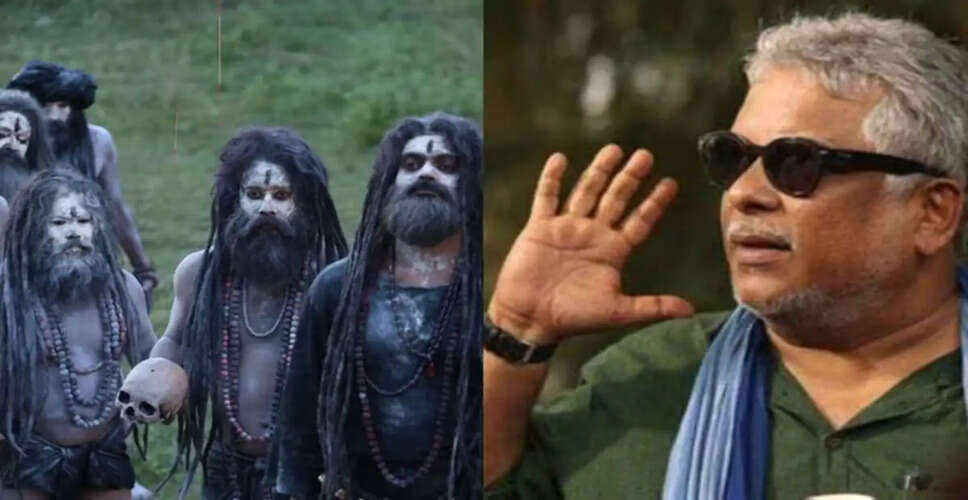
Overview of the Film
"You won't believe it, but it all happens." This phrase encapsulates the essence of the film, which keeps viewers engaged for nearly two hours. What is the film about, and what makes it unique? Let's delve into the details.
Plot Summary
Storyline
The narrative revolves around the Charak festival, a time when villagers believe their wishes can be granted. Those longing for children participate in rituals during this festival, hoping for their dreams to come true. The story unfolds with Sukumar (Shashi Bhushan), who prays for a child each year during Charak, yet his wishes remain unanswered.
Subhash (Sahidur Rahman), a police officer married to Shefali (Anjali Patil), also faces childlessness. Although he learns about the Charak festival, he refrains from making any wishes.
Rumors circulate in the village that to conceive, one must first sacrifice a child. While Sukumar yearns for a child, he is hesitant about the sacrifice. Conversely, Subhash, who is skeptical of superstitions, also desires a child.
As the Charak festival approaches, two children mysteriously vanish from the village, leading to fears of a potential sacrifice. Did Sukumar abduct the children? Is Subhash secretly succumbing to superstition? Will the children be sacrificed? To uncover these mysteries, viewers must watch the film.
Performance Highlights
Acting
The performances in the film are commendable. Subhash's portrayal as a police officer is particularly noteworthy, blurring the lines between hero and villain. Anjali Patil, despite her limited screen time, leaves a significant impact as a modern woman.
Sankhadeep Banerjee shines as Birsa, evoking empathy with his innocent demeanor. Subrata Dutta, as Birsa's father, effectively embodies a carefree drunkard, suggesting a resemblance to his real-life persona.
Shashi Bhushan convincingly portrays a man grappling with childlessness, his expressions reflecting a deep yearning for a child.
Directorial Vision
Direction
Shiladitya Maulik, the director, has meticulously crafted the film, paying attention to intricate details. The cinematography is striking, and the settings enhance the overall atmosphere. Certain scenes evoke a sense of dread, leaving viewers on edge. Dialogues such as, "This time, a corpse won't do; we need a live child," resonate deeply, reinforcing the film's themes.
The director effectively illustrates how educated individuals, when disillusioned with conventional solutions, may turn to superstition, often at the expense of others. The film's narrative feels relevant, reflecting societal issues that persist today.
Musical Score and Visuals
Film Scenes and Music
Bishakh Jyoti's musical composition complements the film perfectly, enhancing the emotional weight of various scenes. The visuals are so realistic that they can be unsettling, and the actors' makeup adds to the authenticity of their performances.
Cultural Relevance
The Story Will Reach People
This film tackles a topic that sparks considerable discussion. Even in contemporary society, belief in superstition persists among certain individuals.
Conclusion
PC Social Media