
Exploring the Impact of Lady Snowblood on Cinema and Kill Bill

A Unique Training Montage
Few training sequences in film history can rival that of Lady Snowblood (1973). The story follows Yuki, an eight-year-old girl born to a convict and an unknown father, as she undergoes intense training under a merciless mentor.
Yuki endures extreme challenges, from being rolled down a hill in a barrel to engaging in swordplay while unclothed. It’s no wonder she transforms into a formidable 20-year-old wielding a deadly parasol.
A Cinematic Masterpiece
Globally recognized as a significant influence on Kill Bill, Toshiya Fujita’s Japanese revenge drama offers a unique sensory experience. Its stylized violence, vibrant colors, and unconventional camera techniques exemplify the creativity of 1970s Japanese cinema.
Set in the late 1800s during the Meiji era and adapted from the manga Shurayuki-hime, Lady Snowblood is both stunning and savage. The film opens with a striking scene where Sayo, clad in crimson, gives birth in prison as snow falls in perfect symmetry.
A Mother's Legacy
Sayo, having survived her husband's murder and brutalization, clings to life long enough to give birth to a daughter destined for vengeance.

Yuki (played by Meiko Kaji) grows into the assassin her mother envisioned, relentlessly pursuing her mother’s killers without mercy, even when one of them finds himself in dire straits. She cleverly uses a gang of beggars to locate her targets and is later assisted by a scruffy tabloid journalist who introduces himself as a 'dirty blackmailer.' Yuki remains unimpressed by his crude advances.
Visual Storytelling
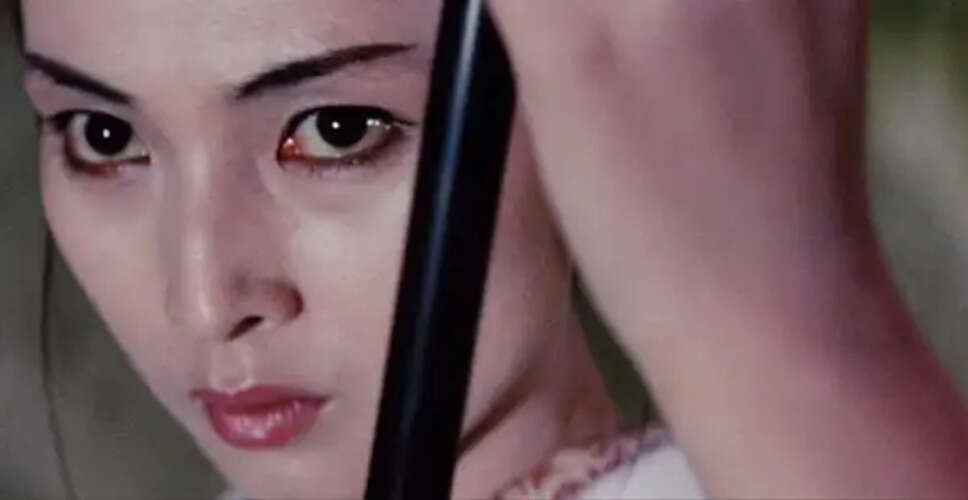
Kaji, who had previously starred in Fujita's adult films, is showcased beautifully in close-ups that highlight her sharp features and expressive eyes, particularly during the intricately choreographed fight scenes.
The handheld camera work creates a sense of imbalance, enhancing the feeling of a manga coming to life through its skewed angles and vibrant settings.
Tarantino's Influence
Quentin Tarantino, known for his genre-blending style, borrowed numerous elements from Lady Snowblood for the first installment of his revenge saga, Kill Bill (2003).
The film's themes of a lone female avenger, chapter divisions, and the graphic depiction of violence, along with the haunting song 'Flower of Carnage' sung by Kaji, are all nods to Fujita's work.
A Deeper Context
Unlike Kill Bill, which exists in a fictional realm, Lady Snowblood is grounded in a reality marked by corruption and exploitation. Yuki's mission transcends personal revenge; she aims to eliminate some of society's most corrupt individuals.
The film culminates in a bloody finale, with Yuki seemingly defeated in a snow-covered landscape, only to return in the politically charged sequel, Lady Snowblood 2: Love Song of Vengeance (1974).
Political Undertones
In the sequel, Yuki's role shifts as she is coerced into working for the secret service, tasked with infiltrating an anarchist's home to gather evidence against the Meiji regime.
While she engages less in combat, the sequel's violence is directed at the populace by the state, showcasing police brutality and bio-terrorism. Yuki's hardened exterior softens as she witnesses the suffering inflicted by the government.
A Shift in Narrative
What begins as a revenge tale evolves into a commentary on dissent and political resistance, reflecting the same elegance with which Yuki wields her sword.