
Exploring the Impact of Art in War: A Review of 'The Choral'

A Journey Through Music Amidst Conflict
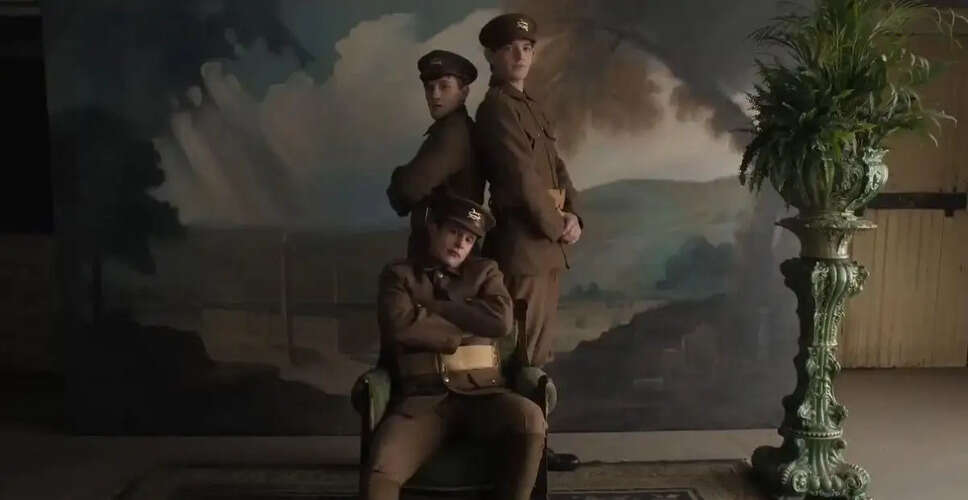
The Choral opens with the chilling sounds of a howling wind and gunfire, setting the stage in post-World War I Europe, where the youth of rural England face an uncertain future. Yet, before they are swept into the chaos, they find solace in song.
Two spirited boys from a fictional Yorkshire town are certain they will soon be drafted, as one of them points out the grim reality of young men being sent to war. However, a more immediate concern arises: the local choir has lost its conductor, who has gone off to serve in the military.
Opinions are split regarding his replacement. Henry Guthrie (played by Ralph Fiennes) is openly gay, an atheist, and has a fondness for German culture, having spent considerable time in Germany. His demeanor is not the warmest, which complicates his integration with the choir.
As the choir adjusts to Guthrie, tensions rise when he chooses a controversial oratorio by German composer Johann Sebastian Bach. To ease the situation, he opts for Edward Elgar’s The Dream of Gerontius, which causes discontent among the Anglican choir members due to Elgar's Catholic background.
More than just a story about a choir striving to survive amidst turmoil, Nicholas Hytner’s The Choral (2025) delves into themes of compromise, unity, and the role of art during times of strife. Available for rent on BookMyShow Stream, the film offers a thoughtful narrative on preserving community spirit and hope in the face of war.
A quote from Johann Wolfgang von Goethe, shared by Guthrie, encapsulates the film's essence: “A man should hear a little music, read a little poetry and see a fine picture every day of his life, in order that worldly cares may not obliterate the sense of the beautiful which God has implanted in the human soul.”
Hytner and writer Alan Bennett highlight the transformative power of art, particularly music, in alleviating suffering and fostering connections across societal divides. They subtly remind viewers that artists should be evaluated based on their abilities rather than their backgrounds or preferences.
While The Choral is a visually stunning period piece, it candidly addresses themes of sexual desire, notably through the subplot of a soldier returning from battle with a missing hand. Ralph Fiennes leads a talented ensemble cast, including Mark Addy and Roger Allam, all of whom deliver compelling performances.
Each actor shines in their respective scenes, harmonizing to convey the tragedy of war and the inevitability of mortality. The performance of The Dream of Gerontius resonates deeply with the local audience, culminating in a particularly moving final scene that serves as a poignant reflection on pacifism.