
Exploring the Evolution of Sita: From Silent Film to Modern Cinema
This article delves into the rich history of Sita's portrayal in Indian cinema, tracing her evolution from early male actors to contemporary actresses. It highlights significant performances and adaptations, showcasing how Sita has transformed into a cultural icon. With the upcoming Ramayana featuring Sai Pallavi, the narrative continues to evolve, promising a fresh perspective on this beloved character. Explore the journey of Sita and her impact on Indian cinema through the decades.
| Apr 5, 2026, 13:28 IST
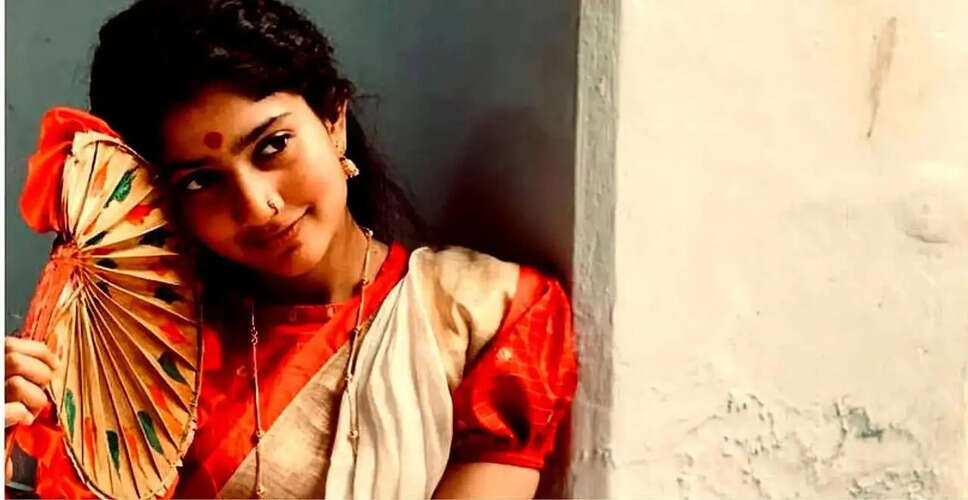
A New Look at Ranbir Kapoor’s Ramayana
The much-anticipated teaser for Ranbir Kapoor’s Ramayana, produced by Namit Malhotra and directed by Nitesh Tiwari, has begun circulating on social media. This teaser focuses primarily on Lord Rama, offering only a fleeting glimpse of Ravana, played by Yash. However, it is widely recognized that the narrative of Ramayana is incomplete without the presence of Sita, portrayed by Sai Pallavi in this version. The character of Sita has been a significant part of cinematic history, having been interpreted by numerous talented actors, including men, long before modern portrayals emerged.
Historical Portrayals of Sita: Male Actors in Female Roles
Early Representations of Sita: When Men Portrayed Women
In the formative years of Indian cinema, societal restrictions prevented women from acting, leading male performers to take on female roles, including that of Sita. A notable example is Anna Salunke, who portrayed both Rama and Sita in the 1917 silent film Lanka Dahan, marking one of the earliest cinematic depictions of Sita by a male actor.
The First Female Portrayals of Sita
First Female Portrayals of Sita on Screen
As the film industry evolved, women began to establish their presence, leading to a transformation in the portrayal of Sita. Durga Khota was one of the first actresses to play Lord Rama’s consort in Debaki Bose’s Bengali film Seeta, bringing dignity and emotional depth to the character during the early sound era. This film also featured Prithviraj Kapoor as Lord Rama, a role that his great-grandson Ranbir Kapoor is set to reprise in the upcoming Ramayana adaptation.
Another significant portrayal was by Prabhavati in the 1936 Odia film Seeta Bibaha, which localized the epic for regional audiences. The most iconic early representation is often attributed to Shibhna Samarth in the 1943 film Ram Rajya, famously known as the only film watched by Mahatma Gandhi.
Sita in Regional Cinemas
Sita in Regional Cinemas
As Indian cinema diversified, Sita was reinterpreted across various film industries. Padmini portrayed Sita in the 1958 Tamil film Sampoorna Ramayanam, while Kusalakumari appeared in the Malayalam film Seeta. Geetanjali took on the role in Sita Rama Kalyanam, and Anjali Devi and Chandrakala portrayed Sita in Telugu adaptations during the 1960s and 70s. The legendary Sridevi also played Sita in the 1976 Tamil film Dasavatharam.
These portrayals were heavily influenced by classical styles, often depicting Sita as a symbol of virtue, sacrifice, and devotion.
Sita’s Evolution into a Cultural Icon
Sita’s Transformation into Cultural Icons and Modern Reinterpretations
By the 1970s and 80s, Sita had become a well-known figure in Indian cinema. Jaya Prada portrayed her in several Telugu and Hindi films, including Sita Kalyanam and Lav Kush. However, it was Dipika Chikhlia who truly popularized Sita through Ramanand Sagar’s television adaptation of Ramayana.
In recent years, filmmakers have begun to explore Sita's character beyond traditional boundaries. Modern portrayals often highlight her agency, emotional depth, and strength. For instance, Mrunal Thakur's performance in Sita Ramam added a romantic and humanized dimension to the character. Television and streaming adaptations continue to reinterpret Sita with contemporary perspectives, as seen in Kriti Sanon’s portrayal in Adipurush, which, despite facing criticism, was noteworthy.
With Sai Pallavi's involvement in the latest adaptation, audiences are eager to see how she will present Sita, potentially moving beyond the conventional devotional image to showcase a more complex character.
The Legacy of Sita in Cinema
The Legacy of Sita on Screen
From being portrayed by a male actor in the silent film era to becoming a symbol of feminine strength represented by some of India’s finest actresses, Sita’s cinematic journey mirrors the evolution of Indian cinema itself. Early portrayals emphasized divinity and idealism, while mid-century adaptations introduced regional diversity and theatrical richness. Television solidified her status as a cultural icon, and modern filmmakers are now striving to rediscover her as a fully realized character, embodying both human and divine qualities.