
Exploring the Emotional Depth of Asha Bhosle's Melody in Rocky Aur Rani Kii Prem Kahaani
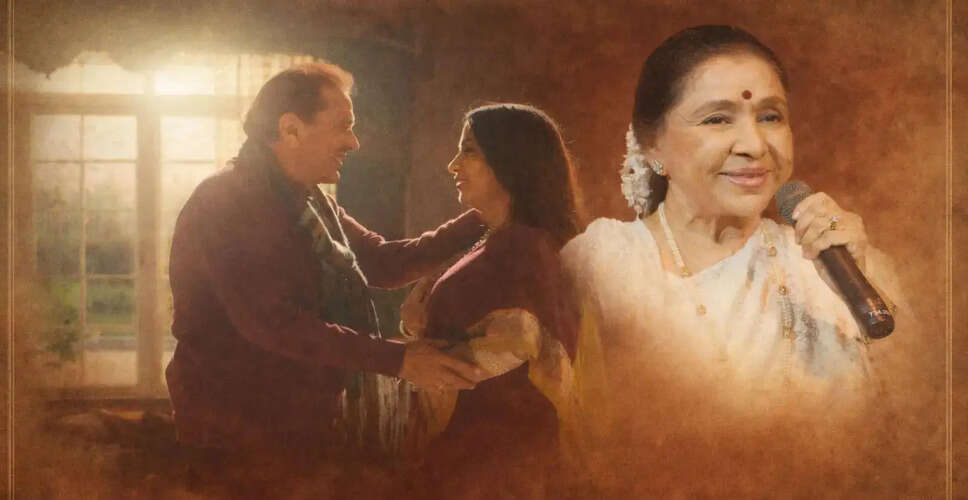

A Heartfelt Tribute to Love in Rocky Aur Rani Kii Prem Kahaani
Upon its release in 2023, Karan Johar's Rocky Aur Rani Kii Prem Kahaani (RARKPK) captivated audiences with its vibrant storytelling and rich themes, featuring Ranveer Singh and Alia Bhatt. Yet, amidst the lively narrative, the film also presented a poignant moment that resonated deeply with viewers, lingering in their minds long after the film concluded. This cinematic piece, a tribute to love in its many forms, included a surprising yet touching scene that stood out in contemporary Hindi cinema. Central to this moment was the timeless song Asha Bhosle and Mohammed Rafi's Abhi Na Jao Chhod Kar, originally from the classic 1961 film Hum Dono. The song has long been associated with themes of yearning and romantic hesitation, crafted by Sahir Ludhianvi and composed by Jaidev. Asha Bhosle’s rendition of Abhi Na Jao Chhod Kar encapsulates the delicate balance between desire and departure.
In RARKPK, this moment unfolds between two seasoned characters portrayed by Dharmendra and Shabana Azmi. Their narrative of lost love and unexpressed longing runs parallel to the film's main romance between Rocky and Rani. As fate intervenes and their past resurfaces, the emotional weight of years spent apart—shaped by family obligations and societal norms—becomes palpable. In a quiet act of defiance, after years of separation, they share a kiss.
This scene marks a significant moment in Indian cinema, which seldom showcases love among seniors with such grace. However, what truly elevated this moment was its emotional depth, enhanced by the inclusion of Abhi Na Jao Chhod Kar. The song served not merely as background music but as a narrative tool, reflecting the characters’ inner struggles and desires. The lyrics, a lover's plea for their beloved to stay, echoed the unfulfilled wishes of two individuals who had once been denied their chance at love.
Asha Bhosle’s song, though not performed by her in the film, serves as a tribute, transcending mere nostalgia. The emotional resonance in her voice carries decades of memories, and when paired with the visual of Dharmendra and Shabana Azmi's characters reclaiming a lost moment, the song transforms into something profoundly meaningful. It evolves from a narrative about youthful love to a reflection on love that is deferred, remembered, and ultimately expressed.
Dharmendra, a romantic icon of his time, and Shabana Azmi, renowned for her impactful performances, brought a wealth of cinematic history to the scene. Their on-screen reunion, underscored by a classic melody, felt like a bridge connecting different eras and a testament to the evolution of Bollywood. The kiss itself was unexpected and even controversial, as Hindi cinema has rarely celebrated love among seniors, typically portraying traditional family structures bound by values. However, Johar’s film defied these conventions, pairing a bold visual with a revered song like Abhi Na Jao Chhod Kar, thereby reshaping the narrative around love, suggesting it is not limited by age or diminished by time. The song's cultural significance softened the moment, making it both familiar and revolutionary.
Moreover, there is a meta-textual layer to the scene. The song, originally picturized on younger actors Dev Anand and Sadhana in Hum Dono, is recontextualized within a narrative that addresses aging and second chances, emphasizing that the longing for love is universal, transcending age. This scene moves away from the notion that love is solely for the young, embracing a more inclusive and nuanced understanding of human relationships. With the passing of Asha Bhosle, tributes continue to honor her legacy, and moments like these highlight her timeless impact. Her voice and the songs she brought to life resonate across generations, and in Rocky Aur Rani Kii Prem Kahaani, her song Abhi Na Jao Chhod Ke became the essence of a scene that dared to be different and authentic. The song not only accompanied a cinematic moment but also enriched it, providing depth and dignity, ultimately reaffirming the enduring legacy of Asha Bhosle.