
Exploring the Complexities of Masculinity in Kelly Reichardt's 'The Mastermind'
A Unique Take on Heist Films
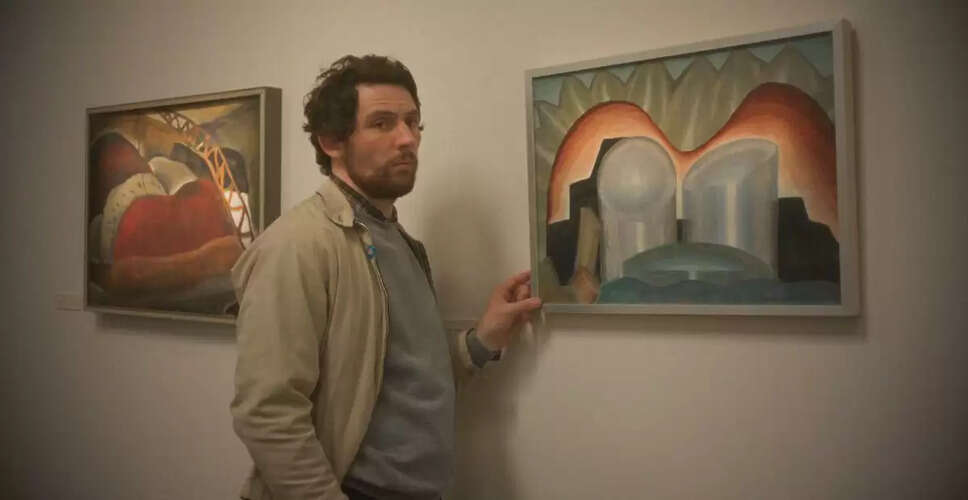
In Kelly Reichardt's latest film, The Mastermind, we meet James ‘JB’ Mooney, portrayed by Josh O’Connor, who embodies the quintessential anti-hero. Set against the backdrop of 1970s America, the narrative follows JB, a lackluster carpenter who fancies himself a sophisticated art thief. His attempts at a heist are executed with such carelessness that they reveal the gap between his self-image and reality.
Alongside a talented cast including Alana Haim, Hope Davis, John Magaro, and Gaby Hoffman, The Mastermind was a contender for the prestigious Palme D’Or at this year's Cannes Film Festival and is currently available for streaming on MUBI.
With a lively jazzy soundtrack by Robert Mazurek, this heist film stands out for its brisk pace, a departure from Reichardt's typically slow-paced storytelling.
Reichardt's Perspective on Privilege and Masculinity
Reichardt shared her thoughts on the film, stating, “I usually focus on characters who lack power, but James is a privileged, attractive, middle-class man. This film represents a shift for me. I aim to explore how his privilege blinds him, how his resentment towards his comfortable life conflicts with his dependence on it, and the dynamics with the women around him. He acts like a child, expecting others to handle his responsibilities.”
JB's character resonates with previous protagonists from Reichardt's films, such as the misguided hero in Meek’s Cutoff (2013) and the middle-aged hippie in Old Joy (2006). These characters often grapple with their own mediocrity while attempting to project an image of heroic individualism. Reichardt's films also serve as unconventional takes on classic American genres, like the Western in Meek’s Cutoff and the road movie in Old Joy.
Challenging Traditional Narratives
“The foundation of American genres is often rooted in the perspective of white men,” the 61-year-old director remarked. “While being grouped with other female filmmakers can be frustrating, it also reflects generational differences. I don’t view the world through the lens of John Ford; I’m more interested in the person behind John Wayne.”
Reichardt's keen examination of lonely men and their self-importance evokes the work of writer-director Paul Schrader, known for films like American Gigolo and First Reformed. She has praised Schrader’s Blue Collar (1978), which also features characters who find themselves overwhelmed by their circumstances.
Balancing Humor and Serious Themes
“I admire how Paul tackled small-scale political issues that feel monumental to the characters but are insignificant on a larger scale, blending humor with serious themes without losing the weight of the subject matter,” Reichardt explained. “What frightened me most about The Mastermind was the variety of tones present, reminiscent of Blue Collar.
Reichardt's insightful yet playful portrayal of men raises the question of whether she finds humor in them. She attributes much of her character development to the wit of novelist Jonathan Raymond, her collaborator on six films.
Advice for Aspiring Filmmakers
“The humor in First Cow is evident in the aggressive fur trappers who see themselves as tough, but I view them as comical figures,” she noted. “The absurdity of their masculinity is amusing. Ultimately, who has the last laugh? The world we inhabit. Yet, the most ludicrous masculine forces still dominate society, making them easy targets for satire.”
As a pioneering figure in American independent cinema, Reichardt made her feature debut at 30 with River of Grass. It took over a decade for her to secure funding for her second film, and it was through her collaboration with actress Michelle Williams that her career gained traction.
Her advice to indie filmmakers looking ahead to 2025? “Continue creating, learning, and watching films,” she advised. “During my time in New York City, I would spend whatever I could to see films from various eras and cultures, not just mainstream ones, to broaden my understanding. I kept reading, practicing with a Super 8 camera, and learning editing techniques, all while saving money to eventually make Old Joy.