
Exploring Paranoia in Alan J. Pakula's Conspiracy Trilogy

The Parallax View: A Cinematic Reflection on Conspiracy
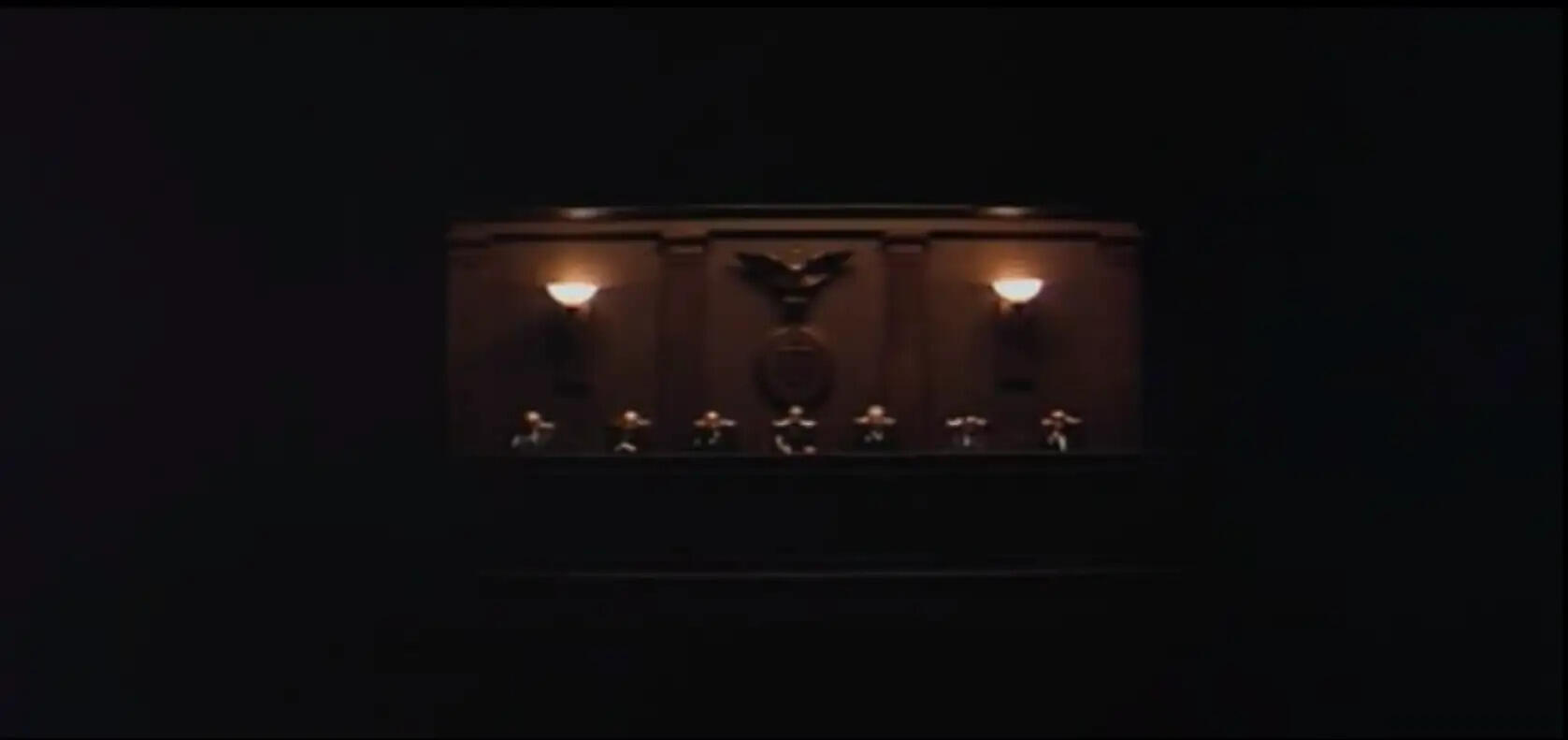
“He acted alone.” This phrase echoes through history, reminiscent of Alan J. Pakula’s 1974 film, The Parallax View, which opens and closes with political assassinations attributed to disturbed individuals harboring inexplicable animosity towards their victims. An investigative commission boldly claims there is 'no evidence of a broader conspiracy, none at all.'
Seen from a distance, this commission appears as a group of indistinct figures seated at a table, seemingly suspended in darkness. Their demeanor is opaque, indifferent, and possibly complicit in the very crimes they investigate.
When his former girlfriend is found dead shortly after revealing that witnesses to the initial assassination are being systematically eliminated, the scrappy journalist Joe (Warren Beatty) embarks on an investigation. Although his journalistic integrity is questionable, Joe uncovers a shocking truth: the Parallax Corporation is recruiting assassins nationwide to eliminate politicians.
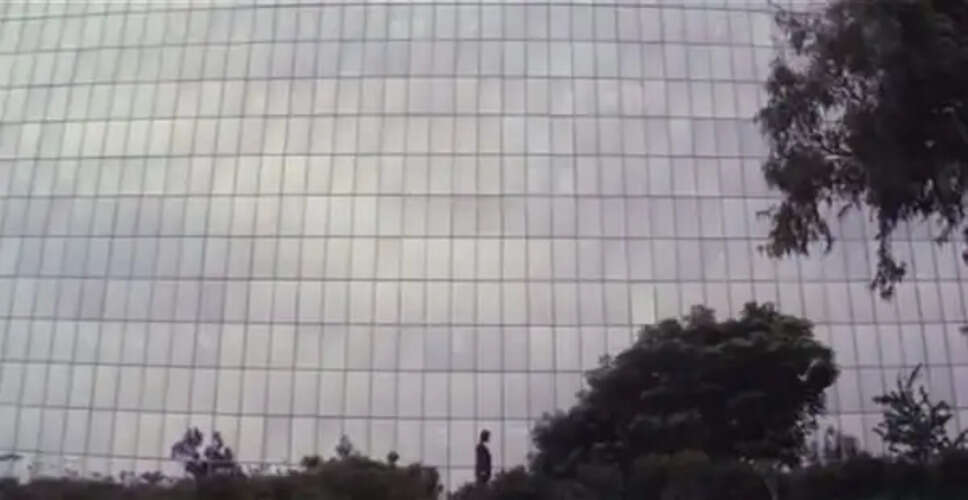
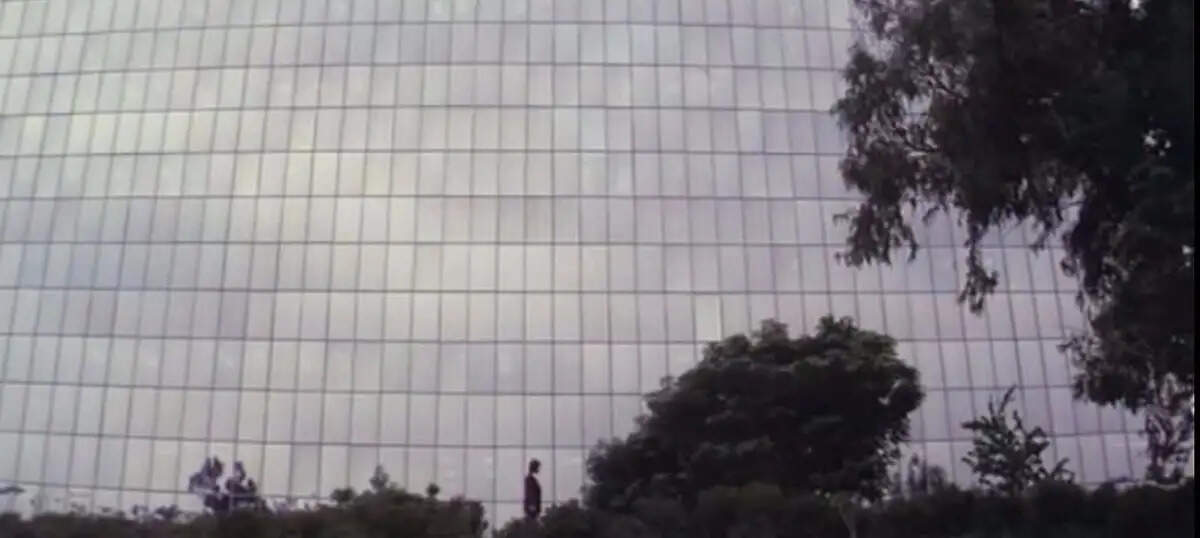
Who is behind this enigmatic organization that operates from a towering skyscraper, subjecting potential recruits to a video that distorts images to alter their meanings? Is this corporation, as its name implies, a shadow government?
The Parallax View is the second installment in Pakula’s intriguing conspiracy trilogy, encapsulating the pervasive paranoia that characterized the 1970s in the United States. Each film in this series employs a blend of documentary realism and stylized cinematography, featuring top-tier Hollywood talent while affirming the public's deepest fears.
Are our phones being tapped? Are we under surveillance? Is the government colluding with corrupt corporations? Is the CIA monitoring my private life? The answer is a resounding yes.
Surveillance serves as a recurring motif throughout the trilogy. In the first film, Klute (1971), a New York City sex worker becomes central to a missing person investigation. The film derives its title from Donald Sutherland’s detective, who follows a trail of obscene letters leading to the chaotic apartment of call-girl Bree (Jane Fonda).
Bree’s confident and alluring demeanor conceals profound anxieties about being watched. As it turns out, her instincts are correct.
In the trilogy's final and most renowned film, All the President’s Men (1976), reporters Bob Woodward (Robert Redford) and Carl Bernstein (Dustin Hoffman) expose a vast surveillance scheme orchestrated by Richard Nixon’s Republican Party.
This forensic retelling of the Watergate scandal has left a lasting impact on cinema, influencing films like Zodiac and Spotlight. As a portrayal of investigative journalism, it remains unparalleled.
The trilogy was visually crafted by the legendary Gordon Willis, whose talent for transforming ordinary spaces into sinister realms of conspiracy is unmatched. In Klute, a sewing workshop morphs into a death trap. In The Parallax View, Willis contrasts individuals against monumental structures—a tower, a dam, a glass-fronted skyscraper—to evoke feelings of helplessness and vulnerability.
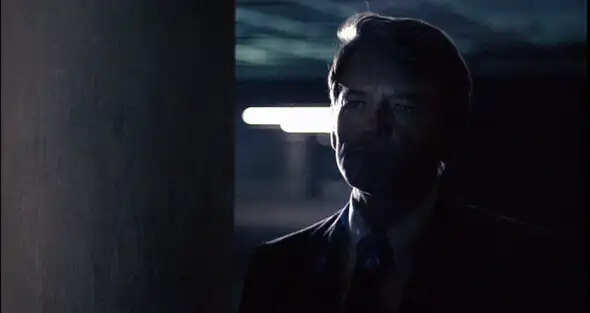
The expansive buildings in The Parallax View engulf innocent individuals, while in All The President’s Men, the Washington Post newsroom—an intricately designed set—serves as a battleground for freedom of expression. Even a parking lot, where Woodward meets the enigmatic source known as Deep Throat, is charged with tension.
The 1960s and 1970s were a prolific era for films created by liberal filmmakers eager to explore the darker aspects of the ruling elite. Notable titles include The Manchurian Candidate (1962), Executive Decision (1973), and Three Days of the Condor (1975).
Pakula’s belief that the greatest adversary of the American populace is their elected officials resurfaced in The Pelican Brief (1993), yet the realism, paranoid architecture, and clear moral outrage that lend even the most outrageous claims in The Parallax View a semblance of credibility were absent.