
Exploring Love's Complexities in 'Toh, Ti Ani Fuji': A Journey of Reflection
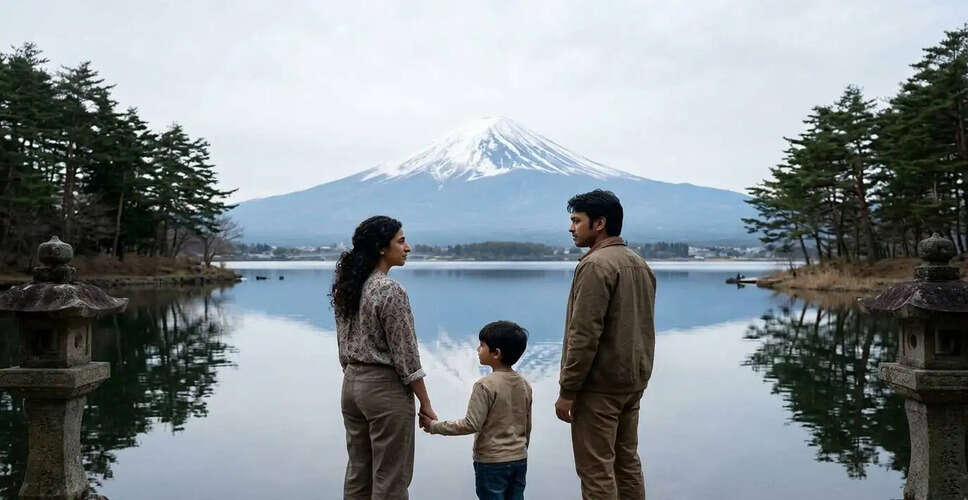

A Deep Dive into 'Toh, Ti Ani Fuji'
While modern films often delve into the gentler sides of relationships, few manage to portray the intense and chaotic nature of love quite like "Toh, Ti Ani Fuji." This Marathi film, starring Mrinmayee Godbole and Lalit Prabhakar, debuted on Sony LIV on April 10, alongside a Hindi adaptation titled "Main, Woh, Aur Fuji." The story revolves around a young couple whose toxic bond evolves over time, leading to a reunion in Japan where they confront their shared past and current realities.
The film's brilliance lies in its innovative character portrayal, as the main characters remain unnamed, allowing audiences to engage with their journey rather than their identities. Mrinmayee and Lalit's roles depict how personal aspirations and choices can shape a relationship. During their reunion in Japan, the woman has become a mother, married to her childhood friend, Vismay, and is now in search of stability for herself and her child. This meeting serves as a poignant reminder of the unfulfilled expectations they once had for one another.
The stark contrast between their past and present is evident throughout the film. Previously caught in a cycle of violence and emotional distress, they now approach their reunion with calmness and introspection. The narrative beautifully illustrates their transition from chaos to understanding, emphasizing the significance of communication and respect in relationships. As they reflect on their shared history, they confront the pain and disappointment that once characterized their bond.
The film's climax takes place against the stunning backdrop of Mount Fuji, symbolizing clarity and self-reflection. The mountain, often obscured from sight, serves as a metaphor for the couple's path toward self-acceptance and discovery. Standing before this iconic landmark, they experience a profound silence that signifies their newfound understanding and the complexities of their relationship. This moment does not present a typical happy ending; instead, it acknowledges the uncertainty of their future while embracing the peace they have achieved in the present.
In conclusion, "Toh, Ti Ani Fuji" offers a powerful examination of toxic relationships and personal development. It underscores the importance of building a strong foundation in love, recognizing that while relationships can be challenging, knowing when to let go is vital. The film resonates with many, illustrating that healing and understanding can arise from even the most turbulent experiences, prompting viewers to reflect on their own relationships and the necessity of achieving balance.