
Exploring Identity and Displacement in 'Main Vaapas Aaunga' and 'Dhurandhar'
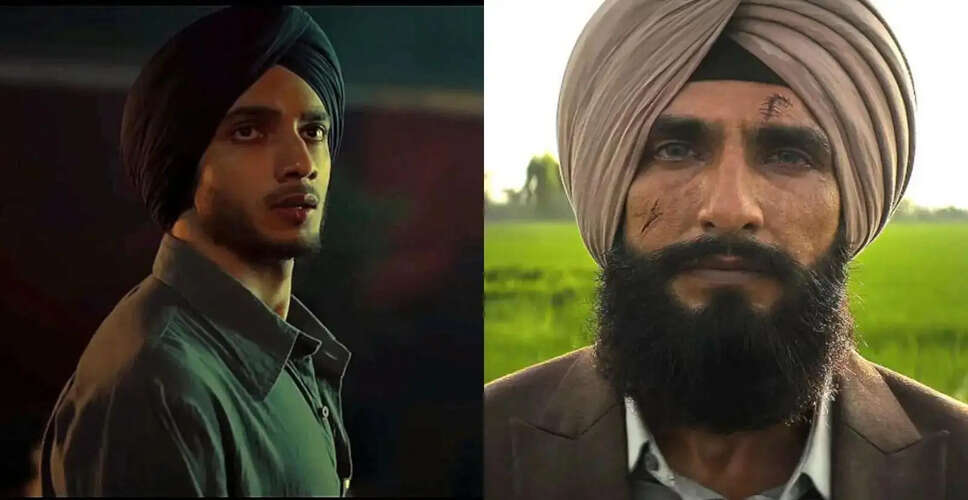

The Emotional Depth of 'Dhurandhar 2' and 'Main Vaapas Aaunga'
In the poignant finale of Aditya Dhar’s Dhurandhar 2, the film shifts from grand visuals to a profound silence. Ranveer Singh’s character, Jaskirat, returns from exile, standing amidst the remnants of his altered life – the camera captures the depth of his loss through his distant gaze, emphasizing how home has transformed into a mere memory. Similarly, Imtiaz Ali’s 'Main Vaapas Aaunga', currently in theaters, features the protagonist Keenu (played by Vedang Raina, not yet Naseeruddin Shah), who stands alone on a coal bunker, the night sky casting a nostalgic hue over him as he cries out into the void – Main Vaapas Aaunga – unaware that he is destined to be forever displaced. Cinema often grapples with a specific type of grief that transcends death, failure, or heartbreak; it is the sorrow of losing a home – a space that shapes one’s identity, where memories reside, and where one’s language feels natural.
Despite their contrasting tones, both films delve into this profound emotion. Imtiaz Ali’s 'Main Vaapas Aaunga', featuring Vedang Raina and Naseeruddin Shah as Keenu at different life stages, and Ranveer Singh’s 'Dhurandhar', centered on Jaskirat, both explore themes of displacement. While they share a common emotional foundation, their narratives diverge significantly. At their essence, both films portray characters who lose more than just their geographical roots; they grapple with a loss of self-identity.
Home and Identity in 'Dhurandhar' and 'Main Vaapas Aaunga'
Dhurandhar, Main Vaapas Aaunga And Home As Identity
Both Main Vaapas Aaunga and Dhurandhar convey a profound message: home is intricately linked to one’s identity. For Keenu in 'Main Vaapas Aaunga', displacement stems from the trauma of Partition. His separation is not a choice but a permanent reality. He leaves behind not just a house or neighborhood, but an entire world filled with memories, loved ones, and the familiar rhythms of life, all lost overnight. Keenu carries the hope of returning, even when history renders that hope impossible.
In contrast, Jaskirat's journey in 'Dhurandhar' is marked by a different kind of separation. He is not just distanced from a place but from a version of himself, as his life unfolds amidst conflict and the demands of a larger mission. His loss is tied to his identity, making it increasingly challenging to reclaim who he once was. For both characters, home serves as an anchor, and when that anchor is removed, they find themselves in a quest for self-discovery.
Estrangement and Memory in Both Films
Pain Of Becoming A Stranger
A notable similarity between the two films is their portrayal of estrangement. For Keenu, he becomes a stranger as history draws borders around him. The world he once knew vanishes, and even though he survives physically, a part of him remains trapped in the past. This experience resonates with many who lived through the Partition, where the tragedy was not just displacement but the feeling of becoming foreign to places that once felt like home. Jaskirat, on the other hand, experiences estrangement on a psychological level, as the pressures placed upon him create a gap between his true self and the persona he must adopt.
In both stories, the protagonists are haunted by a sense of absence. Jaskirat and Keenu are surrounded by people and activity, yet emotionally, they remain disconnected from the worlds they once knew. This loneliness becomes a defining emotional element in both narratives.
Memory as Resistance
Memory As A Form Of Resistance
Moreover, the relationship with memory enhances the power of both films. For Keenu, memory is a means of survival. Everything he was forced to leave behind continues to exist within him, including his beloved. The film suggests that while borders may create physical separations, they cannot erase memories. These memories serve as a form of resistance against historical erasure. An older Keenu (Naseeruddin Shah) carries decades of longing and trauma, with memories that refuse to fade. In contrast, Jaskirat's memories serve a different purpose; they remind him of the person he was before circumstances changed him. In Dhurandhar, memory acts as a bridge connecting the individual to an identity that is perpetually under threat.
Diverging Narratives of Displacement
Where Do Main Vaapas Aaunga And Dhurandhar Differ?
Despite their thematic similarities, Main Vaapas Aaunga and Dhurandhar ultimately tell distinct stories. The most significant difference lies in the source of their displacement. Keenu is a victim of historical forces beyond his control, with the Partition reshaping countless lives. His tragedy stems from collective trauma, making his story resonate with an entire generation uprooted by history. Thus, the emotional weight of Main Vaapas Aaunga feels deeply communal.
In contrast, Jaskirat's journey, while influenced by national security, is more individualized. His conflict revolves around personal transformation, duty, and the psychological toll of his life choices. Although his experiences touch on broader themes of sacrifice and belonging, they remain focused on the internal struggles of a single character. While Keenu loses a homeland, Jaskirat risks losing himself. This subtle distinction fundamentally alters the emotional texture of both narratives.
Longing Versus Sacrifice
Longing Versus Sacrifice: Main Vaapas Aaunga And Dhurandhar
Vedang Raina/Naseeruddin Shah’s Keenu is characterized by longing. Everything in Main Vaapas Aaunga revolves around yearning – for home, family, unfinished conversations with loved ones, and a life interrupted by history. The film is driven by nostalgia and grief. Conversely, Ranveer Singh’s Jaskirat is defined by sacrifice. His story is less about returning to a place and more about enduring the consequences of choices and responsibilities. The emotional burden stems from what must be surrendered for a greater purpose. One character looks back, while the other is compelled to move forward.
The Relevance of These Stories Today
Why These Stories Matter Today
The resonance of both films may stem from their exploration of relevant questions: What occurs when individuals lose the places that define them? Can identity endure displacement? How much of our essence is tied to geography, community, and memory? In a time marked by migration, conflict, and change, these inquiries feel increasingly urgent. While Main Vaapas Aaunga examines these themes through the lens of Partition – one of the most significant human displacements in modern history, Dhurandhar approaches them through the journey of a man compelled to sacrifice parts of himself. Yet both narratives converge on a similar truth: home is not merely a location; it is a repository of memories, relationships, and identity. When individuals lose their home, they lose a fragment of their identity. This is why Keenu's longing is so heart-wrenching and why Jaskirat's struggle resonates deeply. Their stories remind us that the most profound wounds are often invisible, left behind when one can no longer return – not just to a place, but to the version of themselves that once existed there. Main Vaapas Aaunga and Dhurandhar are not merely films about displacement; they are poignant reflections on the delicate relationship between home and identity, and the enduring human desire to find one’s way back to both. But do all displaced individuals find their home in the end? This question encapsulates the poignancy of lived reality.