Epic Cinematic Journey: A Review of Ramayanam

Introduction to Ramayanam
When the oppression of the demons, known as *asuras*, escalated on Earth, Lord Vishnu took form as *Maryada Purushottam* Shri Ram. The name "Ram" continues to illuminate the path of life, resonating within cinema halls today. The fusion of the moral values of the *Treta Yuga* with the advanced technology of the *Kali Yuga* creates the cinematic spectacle known as *Ramayanam*.
A Grand Cinematic Experience
This epic tale has been adapted numerous times since Ramanand Sagar's era, but the Hollywood-level production brought to life by Nitesh Tiwari and Namit Malhotra is truly remarkable. *Ramayanam* stands as the most ambitious film in Indian cinema's history, now gracing theaters. Before securing your tickets to witness this monumental narrative of good versus evil, let’s delve into this review.
Plot Overview of Ramayanam
What is the story of *Ramayanam*?
Despite the *Ramayana* being adapted for the screen multiple times, the grandeur, technical finesse, and emotional depth presented by director Nitesh Tiwari and producer Namit Malhotra make this adaptation a significant cinematic experience. The film exemplifies how to showcase cinema on a grand scale.
While the narrative arc is familiar, the storytelling approach varies. *Ramayanam* opens with the conflict between the *devas* and the *asuras*, illustrating how the *devas*, led by Devraj Indra, triumph over Lanka. Following this victory, Kaikesi, Ravana's mother, reminds him of his destiny to conquer Lanka and rule the three worlds. Heeding her advice, Ravana performs intense penance and earns immortality from Lord Brahma, subsequently seizing Lanka from Kubera. Meanwhile, in Ayodhya, King Dasharatha conducts a *yajna*, resulting in the birth of Rama, Bharata, Lakshmana, and Shatrughna. Sage Vishvamitra then requests Rama's assistance to combat demons disrupting his rituals.
Key Events and Characters
Rama confronts and defeats demons like Tataka and Subahu. The film progresses to the *Sita Swayamvara* and Rama's subsequent exile. The first half focuses on these events, including a battle between Ravana and Vidyutjihva, Shurpanakha's husband, and her infatuation with Rama, culminating in Lakshmana's dramatic act of cutting off her nose.
Mother Sita is portrayed as a warrior with profound knowledge and skill. The film features an emotional battle between Ravana and Jatayu, showcasing the film's grand scale and introducing fresh elements that enhance the narrative.
Direction and Visuals
How is the direction?
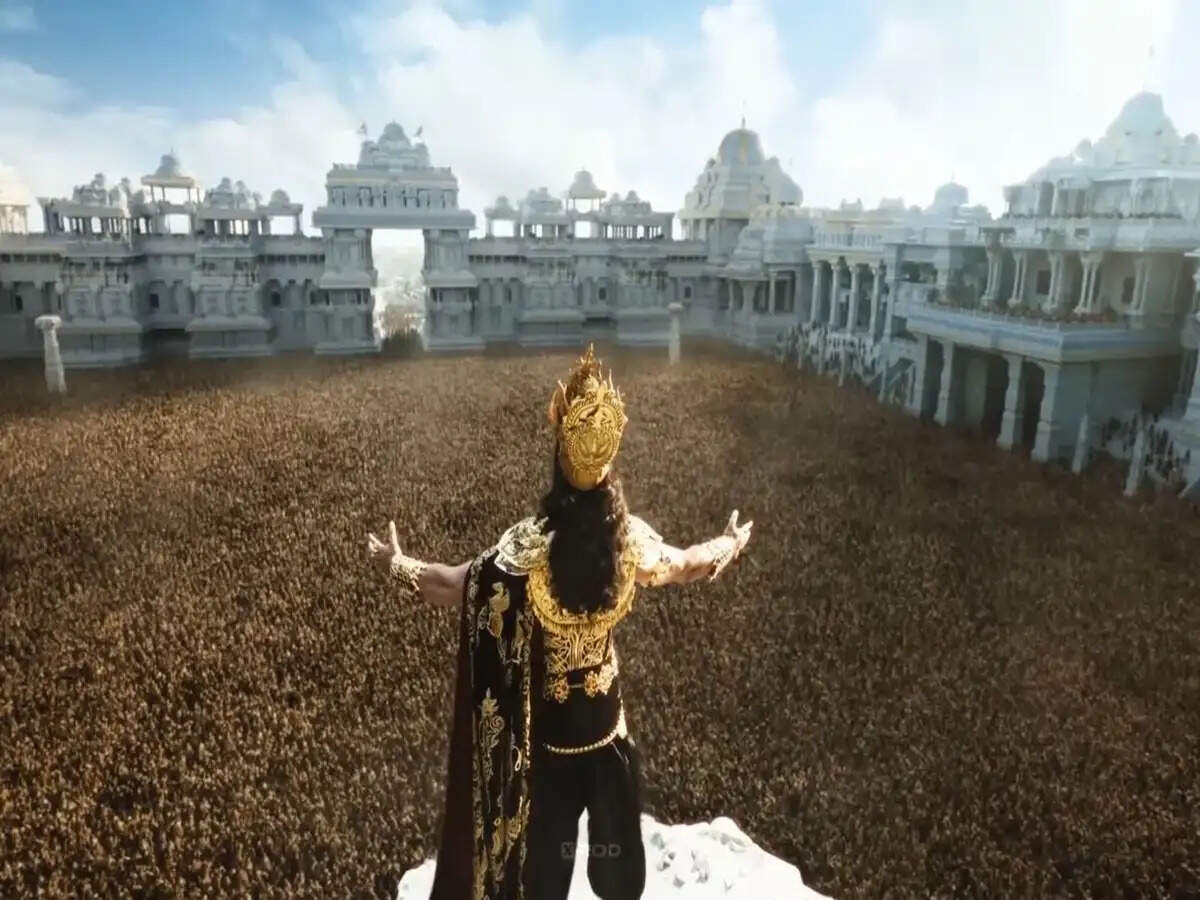
Given the audience's familiarity with the *Ramayana*, director Nitesh Tiwari faced the challenge of presenting it with a fresh visual style and emotional depth. He excels in this regard, balancing the dignity of the mythological source with modern VFX and CGI. From the majestic Ayodhya to the wild Dandakaranya forests and the golden walls of Lanka, Tiwari's vision is evident in every frame, captivating the audience. The film's strength lies not only in its narrative but also in its stunning visuals, enhancing its grandeur.
Cast Performances
How is the cast's performance?
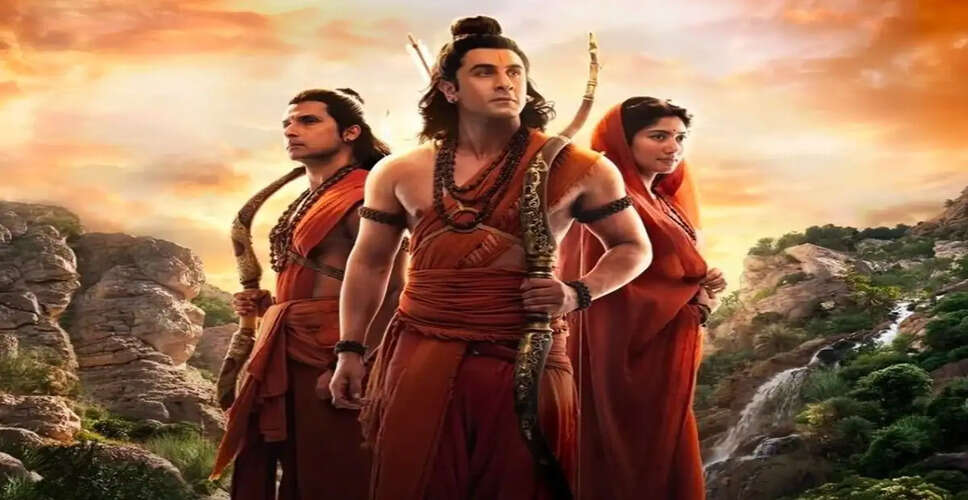
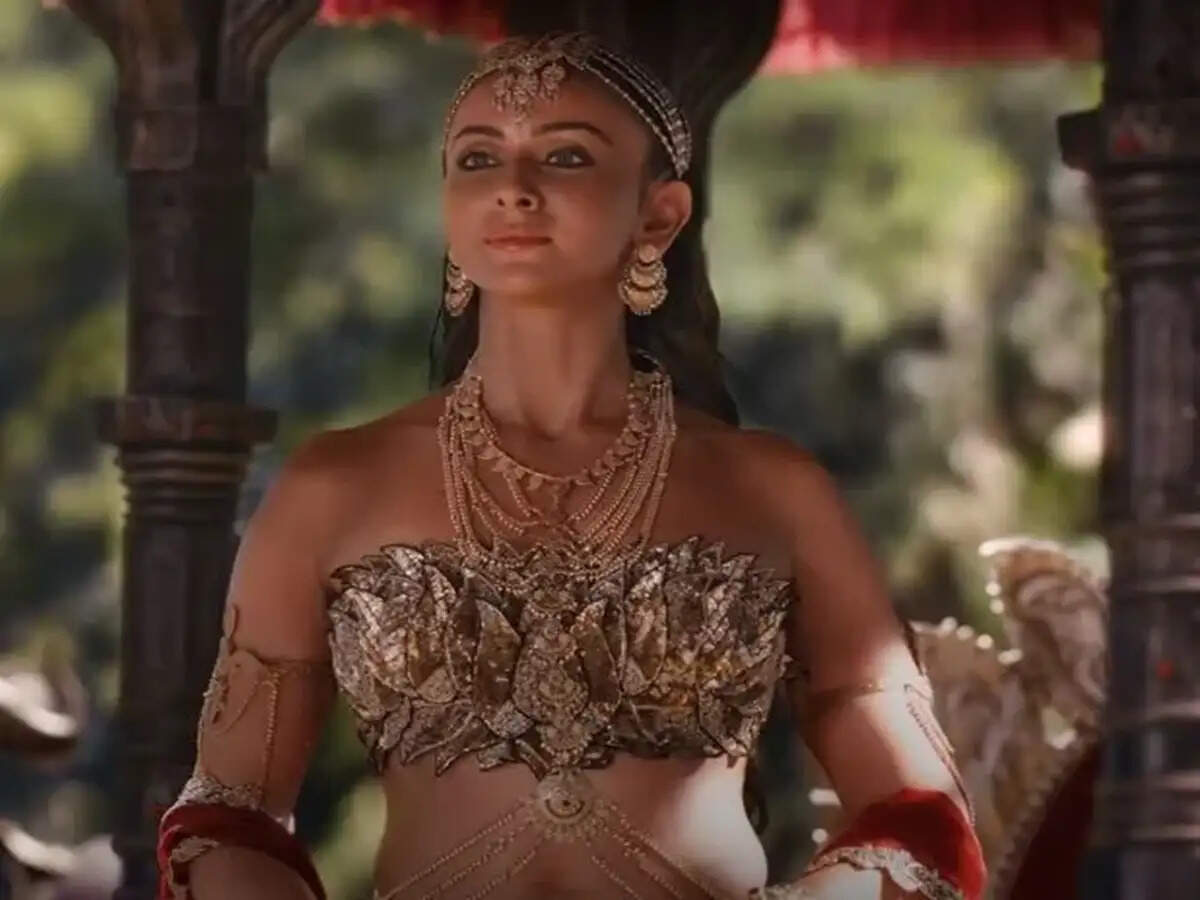
Each character shines in their role. Ranbir Kapoor, as Lord Shri Ram, embodies calmness and intensity, showcasing both compassion and warrior spirit. Yash, portraying Ravana, commands the screen with his powerful presence, while Sharad Kelkar's voice adds depth to Ravana's character in the Hindi version. Sai Pallavi captivates as Mata Sita, portraying her character's strength and grace. Ravi Dubey captures Lakshmana's playful yet devoted nature, while Rakul Preet Singh shines as Shurpanakha. Arun Govil and Lara Dutta deliver strong performances as King Dasharatha and Kaikeyi, respectively. Anupam Kher's portrayal of Jatayu adds an emotional layer to the film.
Visuals and Action Sequences
What are the visuals like?
The film's action sequences and background score are its standout features. The visuals are impressive, with battle scenes rivaling Hollywood standards, showcasing realistic strategies and weaponry. The score enhances the mood, evoking devotion in quieter moments and excitement during battles. The forest sequences and aerial combat are particularly well-executed, while the grandeur of Lanka and Ayodhya is visually breathtaking.