
Diljit Dosanjh Challenges Double Standards in Music Criticism at Ahmedabad Concert

Diljit Dosanjh Speaks Out on Lyrical Controversy
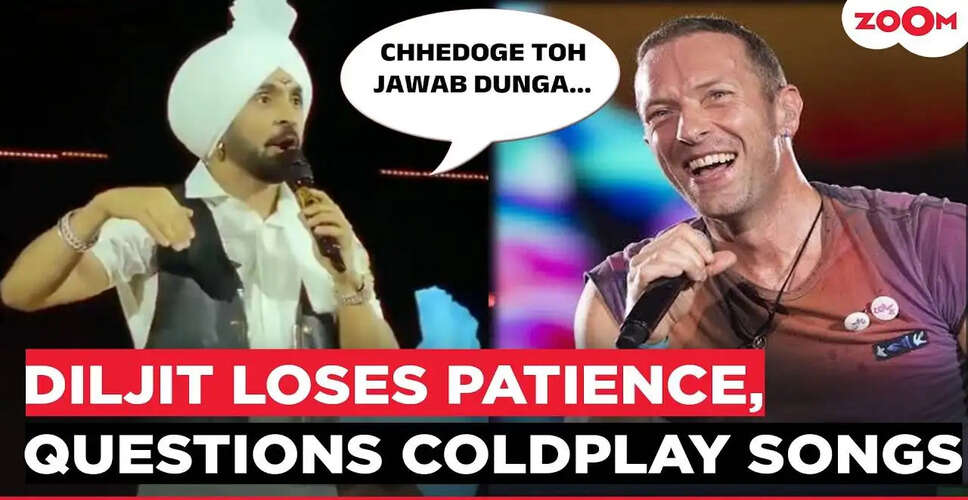
During a recent concert at the Narendra Modi Stadium in Ahmedabad, renowned singer Diljit Dosanjh addressed the ongoing debate surrounding the lyrics of his songs. He took this opportunity to question the perceived double standards in the treatment of Indian artists compared to their international counterparts. Dosanjh specifically pointed out the reception of the band Coldplay, highlighting that their songs, which also touch on themes of intoxication, do not encounter the same level of scrutiny as his own.
He expressed his confusion over why his music faces criticism while similar themes from foreign artists go largely unchallenged. Dosanjh noted that when international bands perform songs about intoxication, they are not met with objections, yet he finds himself under specific restrictions. While he clarified that he bears no ill will towards Coldplay, he voiced his frustration over the apparent inequality in how domestic and international artists are evaluated in the Indian entertainment scene.
Reaffirming His Artistic Roots
Addressing Criticisms and Artistic Identity
In addition to discussing the lyrical issues, Dosanjh responded to criticisms regarding his identity as an artist. He firmly reminded his audience of his Indian heritage, emphasizing that he was born and raised in India, and dismissed any claims that he is an outsider. He also pointed out that his entire touring team, including the musicians who accompany him worldwide, is made up of Indian professionals. By reaffirming his roots, he aimed to challenge the narrative that his work or presence in the industry should be subjected to unique restrictions.
A Message of Resilience
Maintaining a Firm Stance Against Provocation
Despite facing significant criticism, Dosanjh maintained a cheerful attitude throughout the concert, even extending goodwill to his critics. However, he concluded his remarks with a firm statement, indicating that while he can handle criticism with humor, he will not hesitate to speak out if he feels provoked. His comments resonated with the audience, igniting a broader discussion about artistic freedom and the fair treatment of performers, regardless of their background.