
Diane Keaton's Timeless Wisdom on Joy and Life's Fleeting Moments
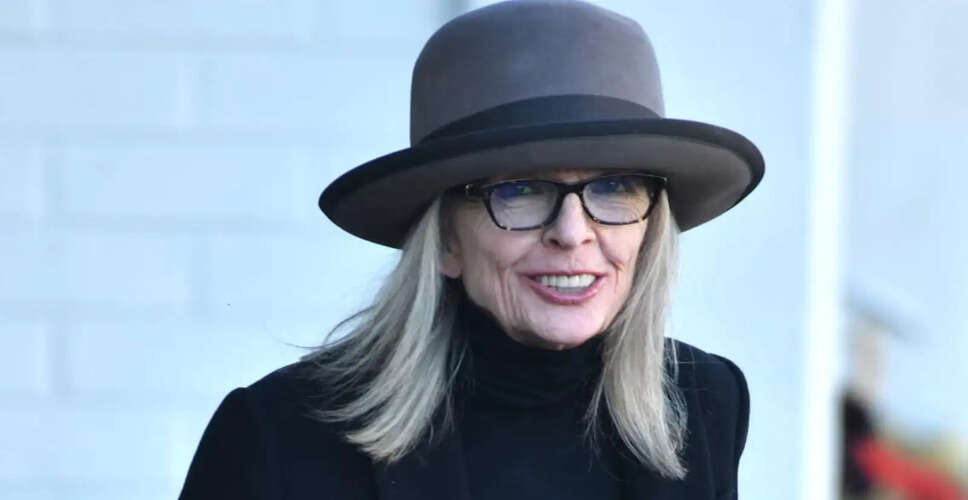

A Glimpse into Diane Keaton's Philosophy
Renowned actress Diane Keaton is celebrated not only for her remarkable performances but also for her insightful reflections on life. She once expressed, “You can't hold on to happiness or a good moment, but it will be back. And the memory will stay.” This thought-provoking statement serves as a reminder that while joyful experiences may be fleeting, their significance endures in our memories.
Keaton shared this sentiment during a 1987 interview with a prominent magazine while discussing her role in the film Crimes of the Heart. This film delves into the intricacies of family relationships and the ephemeral nature of happiness. She emphasized that joy is not a constant state to be captured but rather a collection of transient moments that shape our lives.
The Philosophy of Fleeting Happiness
Understanding the Philosophy of Transient Joy
Keaton’s perspective challenges the societal expectation of maintaining a flawless existence. In a world where social media often showcases idealized lifestyles, her insights provide a refreshing counterpoint. She acknowledges the human tendency to cling to specific joyful periods—be it a vacation, career achievement, or personal relationship—while reminding us that this instinct conflicts with the reality of life’s unpredictability.
She believes that the conclusion of a joyful experience does not lessen its worth. Instead, she argues that simply experiencing a moment is valuable in itself. By recognizing that good times naturally come to an end, individuals can transition from feelings of loss to a mindset of gratitude. Moreover, she conveys optimism, suggesting that while a particular moment may not recur, life’s cycle will present new chances for happiness.
Diane Keaton: A Versatile Career
A Career Defined by Depth and Versatility
Diane Hall, known as Diane Keaton, was born in Los Angeles in 1946. Her path to becoming a cinematic icon began with her passion for the arts. At 19, she relocated to New York to study at the Neighborhood Playhouse, where she made a significant impact on Broadway, particularly in the original production of Hair and the play Play It Again, Sam. These formative experiences set the stage for a career characterized by remarkable versatility, effortlessly transitioning between comedy and drama.
Her collaboration with Woody Allen, especially in the 1977 film Annie Hall, solidified her status as a global star. Her portrayal of the titular character, infused with her unique personality and fashion sense, earned her an Academy Award for Best Actress. Over the years, she embraced a variety of roles, from the composed Kay Adams in The Godfather series to the historical figure Louise Bryant in Reds. By the time of her 1987 magazine profile, Keaton had navigated fame with a grounded outlook, viewing her career and life through a lens of simplicity and acceptance that continues to define her public image.