
Delhi High Court Upholds Injunction Against Ilaiyaraaja in Copyright Dispute

Court Decision on Copyright Ownership
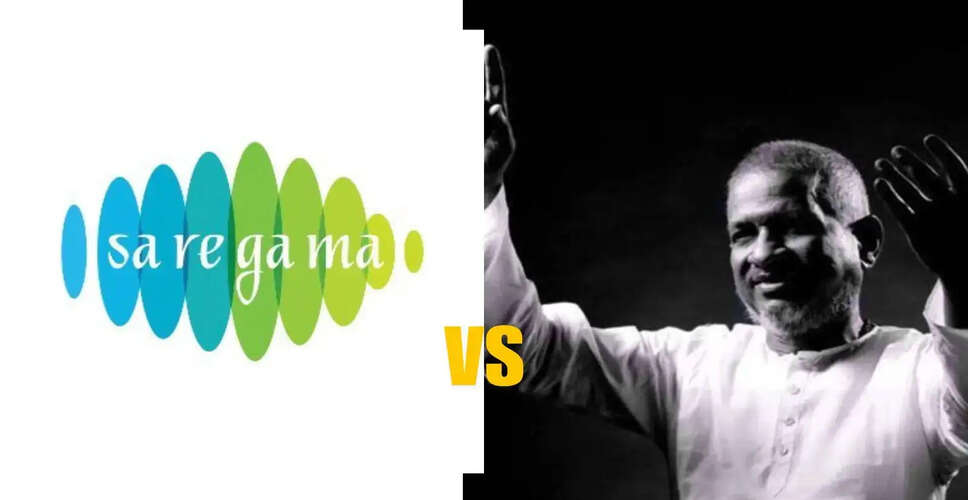
On Wednesday, the Delhi High Court decided to maintain the interim injunction that prevents renowned composer Ilaiyaraaja from asserting ownership or licensing songs from 134 films. This ruling provides significant relief to Saregama India Limited amid an ongoing copyright conflict. The core of the issue revolves around a dispute regarding the ownership of film music.
Ilaiyaraaja, celebrated for his extensive contributions to South Indian cinema, argues that as the original creator, he holds moral and personal rights over his musical compositions. Conversely, Saregama India Ltd asserts that the copyright for these musical works and sound recordings was initially owned by the film producers, who later transferred those rights to the company through contractual agreements.
According to reports, Justice Tushar Rao Gedela upheld the February 13 interim order, which restricts Ilaiyaraaja and his representatives from utilizing, licensing, or claiming ownership of works that Saregama asserts are under its copyright protection. This injunction encompasses both the sound recordings and the literary and musical elements of songs from several notable films, including the 1976 movie Annakkili, the 1977 film 16 Vayathiniley featuring Kamal Haasan, Sridevi, and Rajinikanth, as well as other classics like Kavikkuyil, Bharathi, and Pallavi Anu Pallavi.
The legal conflict initiated when Saregama accused Ilaiyaraaja of licensing and exploiting works that the music label claims to own. The company asserts that it obtained rights to these works through assignment agreements with film producers from 1976 to 2001, during which the copyright for the sound recordings and the underlying musical and literary works was transferred to them.
Saregama also reported discovering unauthorized use of its copyrighted works on various streaming platforms, including Amazon Music, Apple iTunes, and JioSaavn, earlier this February. Additionally, they referenced a legal notice sent by Ilaiyaraaja on January 13, 2026, where he claimed rights over the musical works he had created for several films, including those involved in the lawsuit.
When the High Court granted the ex-parte interim injunction in February, it noted that Saregama had demonstrated a strong prima facie case. The court determined that the balance of convenience favored the company, which could face irreparable damage if the interim protection was not upheld. Following this ruling, Ilaiyaraaja sought to have the injunction lifted, but the High Court denied his request, allowing the interim restrictions to remain until further developments in the copyright case.