
Christopher Nolan's The Odyssey: A Cinematic Journey Through Homer's Epic
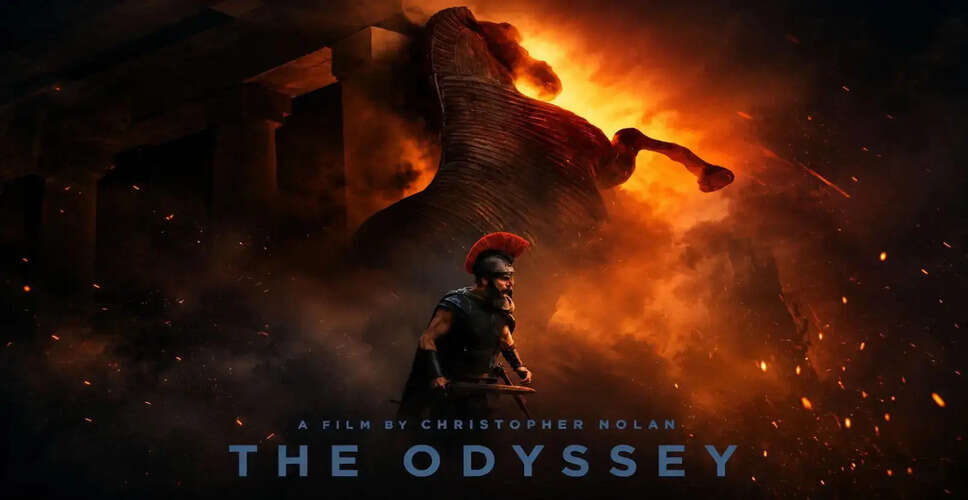

The Odyssey Hits Theatres This Friday
Christopher Nolan's highly anticipated film, The Odyssey, premieres in theatres on July 17. Featuring a star-studded cast including Matt Damon, Tom Holland, Zendaya, and Anne Hathaway, Nolan is known for his talent in reinterpreting intricate narratives for the silver screen. His filmography includes masterpieces like Memento, Inception, Interstellar, and Oppenheimer. With The Odyssey, he adapts Homer's timeless Greek epic, which narrates the decade-long journey of Odysseus, the King of Ithaca, as he strives to return home following the Trojan War. This epic tale is rich with themes of divine intervention, monsters, revenge, and the quest for identity. Here’s a comprehensive guide to The Odyssey before you catch Nolan’s IMAX spectacle.
Understanding The Odyssey
What Is The Odyssey?
The Odyssey is one of the two epic poems attributed to the ancient Greek poet Homer, the other being The Iliad. While The Iliad recounts events during the Trojan War, The Odyssey delves into the aftermath, following Odysseus, the clever King of Ithaca, whose arduous journey home spans ten years. Meanwhile, his wife Penelope and son Telemachus fend off numerous suitors vying for his throne. Notably, the narrative begins near the end of Odysseus' journey, gradually revealing the backstory through flashbacks, a surprisingly modern storytelling technique for its time.
The Character of Odysseus
Who Is Odysseus?
Odysseus is celebrated in the Greek epic for his intellect, strategic acumen, and diplomatic skills, often finding ways to survive dire situations. He is particularly remembered for the cunning Trojan Horse strategy that led to the Greeks' victory in Troy. Unlike typical Greek heroes who rely on brute strength, Odysseus often employs wit, patience, and resilience to overcome challenges. However, his hubris and arrogance can provoke the gods' wrath, complicating his journey, as seen when he reveals his identity to the Cyclops.
Odysseus' Ten-Year Journey
Why Does It Take Odysseus Ten Years to Return Home?
The Odyssey's central conflict arises when Odysseus angers Poseidon, the sea god. After blinding Poseidon's son, the Cyclops Polyphemus, Odysseus boasts about his victory, prompting Poseidon to curse him with a prolonged journey home. Consequently, Odysseus faces numerous storms, shipwrecks, and supernatural challenges that continually thwart his return.
Key Adventures in The Odyssey
The Major Adventures Along the Way
Odysseus recounts several extraordinary encounters that hinder his return:
The Lotus-Eaters
Some crew members consume the lotus plant, losing all desire to return home. Odysseus must forcibly bring them back to the ships to continue their journey.
The Cyclops Polyphemus
In one of the poem's most famous episodes, Odysseus finds himself trapped in the cave of the giant Cyclops. Instead of overpowering him, he cleverly deceives Polyphemus by claiming his name is 'Nobody,' blinds him while he sleeps, and escapes hidden beneath sheep. However, his pride in revealing his identity leads to Poseidon's curse.
Aeolus and the Bag of Winds
The wind god Aeolus gifts Odysseus a bag containing all winds except the one needed for his journey home. His curious sailors open it while he sleeps, unleashing storms that blow them off course.
Circe
The enchantress Circe transforms Odysseus' men into pigs. With divine help, Odysseus resists her magic and persuades her to restore his crew, staying on her island for a year before resuming their voyage.
Journey to the Underworld
Odysseus ventures to the Underworld to seek guidance from the prophet Tiresias, encountering his mother and fallen comrades, gaining insights for the challenges ahead.
The Sirens
The Sirens' enchanting voices lure sailors to their doom. To hear their song without perishing, Odysseus has his crew block their ears with beeswax while he is tied to the mast, refusing to let them release him.
Scylla and Charybdis
Odysseus faces the dilemma of navigating between Scylla, a six-headed monster, and Charybdis, a deadly whirlpool. He opts for the route that sacrifices a few sailors rather than risking the entire crew.
Calypso
After losing his crew, Odysseus washes ashore on the island of Calypso, who falls in love with him and offers immortality. Despite the allure, Odysseus yearns to return to Ithaca.
The Situation in Ithaca
What's Happening Back in Ithaca?
While Odysseus faces trials at sea, life in Ithaca grows perilous. Over a hundred suitors, believing Odysseus to be dead, occupy his palace, consuming his wealth and pressuring Penelope to remarry. She cleverly delays this decision by weaving a burial shroud for her father-in-law, secretly unraveling it each night to postpone her fate. Meanwhile, Telemachus matures into a capable leader as he seeks news of his father.
The Conclusion of The Odyssey
How Does The Odyssey End?
After two decades away—ten years in war and another ten in wandering—Odysseus finally returns to Ithaca. Disguised as a beggar with Athena's help, he assesses the situation in his palace before revealing his identity. With Telemachus and loyal allies, he launches an attack against the suitors. Following the battle, Penelope tests his identity one last time before accepting his return, culminating in a heartfelt reunion that concludes his long journey. In this adaptation, Matt Damon portrays Odysseus, Tom Holland plays Telemachus, Anne Hathaway is Penelope, and Zendaya takes on the role of Athena.