
Unique Election Campaigns in Kolkata's Chinatown: Mandarin Posters Emerge
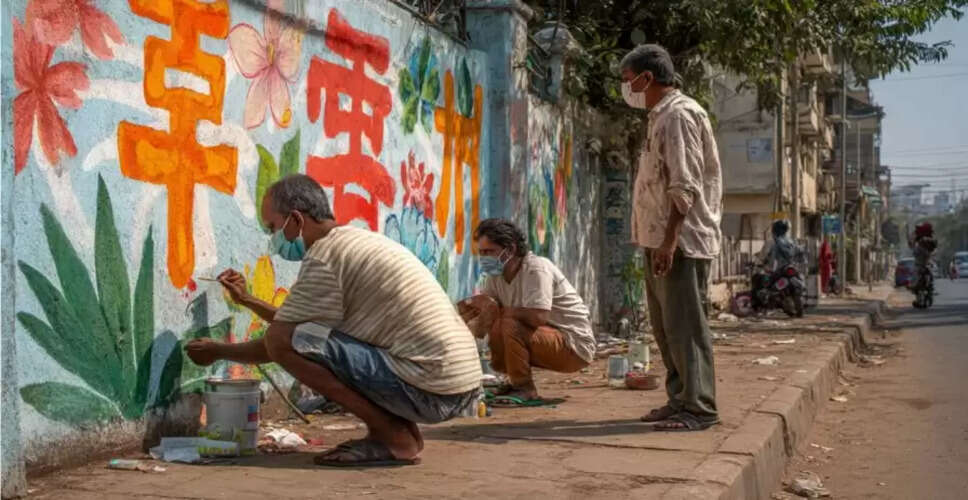

Election Buzz in Kolkata's Tangra
As the election fervor intensifies in West Bengal, a fascinating sight has emerged from the Tangra area of Kolkata. It's rare to see election slogans in a foreign language in any Indian state, yet the walls of this neighborhood, known as 'Chinatown', are currently adorned with posters written in Mandarin. This phenomenon highlights how political parties are willing to transcend linguistic barriers to attract every single voter.
The Historical Significance of Tangra
Tangra is home to a small yet historically significant Chinese-Indian community in Kolkata. Renowned for its narrow lanes, the aroma of soy sauce, and its famous 'Chinese breakfast', this area has long been a cultural melting pot. The Chinese Kali Temple here has already symbolized cultural fusion, but the recent election campaign messages in Mandarin have added an international flair to the local political landscape. This initiative by political parties is viewed as a significant effort to integrate this small community into the mainstream electoral process.
The Growth of the Chinese Community in Kolkata
The roots of the Chinese community in Kolkata trace back to 1778 when Tong Achiew became the first Chinese citizen to settle here, establishing a Chinese mill near Achipur. Over time, this community became well-established in the heart of the city. Before the India-China war in 1962, their population exceeded 40,000, but many fled due to arrests and fear during the conflict. Today, those who remain consider Kolkata their true home.
Decline in the Chinese-Indian Population
Currently, the Chinese community in Kolkata has dwindled to around 4,000, primarily residing in Tangra and Tiretta Bazaar. Despite their reduced numbers, they are considered a significant source of funding for political parties due to their economic prosperity. However, local business owners express considerable dissatisfaction with the current political system.
Population Statistics of Chinese-Indians
Reports indicate that 848 names of Chinese-Indians have been removed from the voter list of three assembly constituencies in Kolkata from 2001 to 2026. Of these, approximately 80% are untraceable, while the rest have passed away.
Population Trends Over the Decades
Chinese-Indian Population Over the Years
- 1960 – 50,000
- 1970 – 25,000
- 1980 – 13,000
- 1990 – 10,000
- 2000 – 5,000
- 2026 – Estimated between 3,000 and 8,000