
The Decline of Mamata Banerjee: Factors Behind TMC's Setback in West Bengal
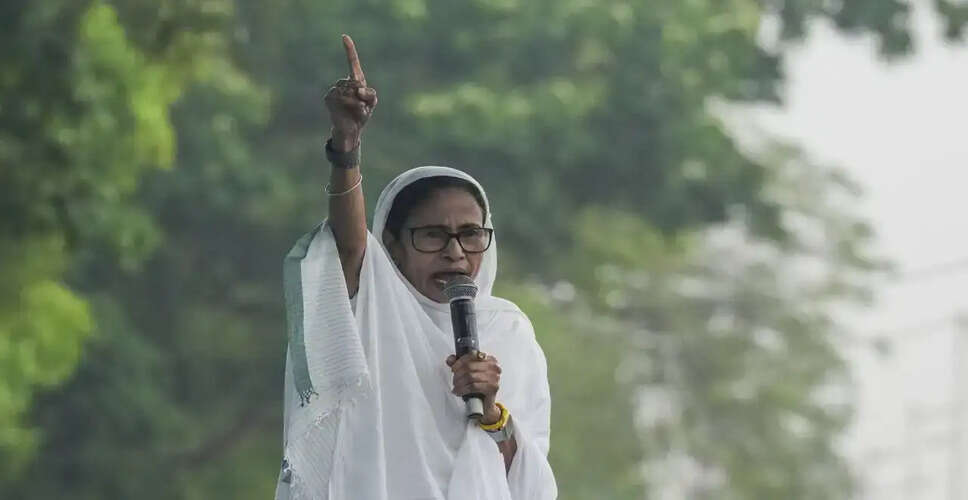

Mamata Banerjee's Political Downfall in West Bengal
Since the 2011 assembly elections until the upcoming 2024 Lok Sabha elections, no political force has been able to challenge Mamata Banerjee effectively. Despite a sweeping wave of support for the BJP across the nation, the party failed to secure victories in both the 2016 and 2021 assembly elections. The Trinamool Congress (TMC) maintained a stronghold, which took the BJP and Narendra Modi's team two elections to disrupt.
However, Mamata Banerjee's political influence in West Bengal appears to be waning, with her party suffering a significant defeat in the recent assembly elections. After 15 years in power, the electorate has largely rejected her party. In the 2024 Lok Sabha elections, the TMC managed to win 29 out of 42 seats, but the political landscape has shifted dramatically in just 23 months.
Understanding the Factors Behind Mamata Banerjee's Decline
- RG Kar Rape Case: The most significant blow came from the RG Kar Hospital rape and murder case. In August 2024, a doctor was raped and killed in a government hospital in Kolkata, sparking widespread outrage across Bengal. Initially, the government downplayed the incident, later labeling it a political conspiracy. Mamata Banerjee organized rallies demanding justice, but public anger remained unresolved. Allegations surfaced regarding collusion between hospital authorities and TMC leaders, with claims of evidence tampering.
- Teacher Recruitment Scandal: Corruption played a crucial role in Mamata Banerjee's exit. In April 2025, the Supreme Court annulled the appointments of over 25,000 teachers, citing widespread corruption in the selection process. Images of bundles of cash linked to former Education Minister Partha Chatterjee resurfaced, and while the government promised relief for dismissed teachers, the stain of corruption lingered.
- Syndicate Narrative: The BJP successfully established the narrative that the TMC government was rife with a cut-money culture and rampant corruption. The failure of governance and the syndicate system contributed to their defeat. TMC leaders were accused of taking commissions on various projects, leading to a lack of industrial growth and job creation in the state, which fueled public discontent.
Additional Factors Contributing to TMC's Setback
- Loss of Minority Votes: Mamata Banerjee has long positioned herself as a champion of minority rights, with the TMC traditionally engaging in minority politics. However, this time, former TMC MLA Humayun Kabir's party and the Indian Secular Front managed to siphon off votes in certain constituencies, undermining her minority voter base. Meanwhile, Hindu votes consolidated in favor of the BJP, aided by leaders like Sayani Ghosh, who played a significant role in uniting Hindu voters.
- Focus Shift from Governance to Politics: Another reason for Mamata Banerjee's defeat is her aggressive political stance. What was once seen as her political strength became a source of discomfort for the people of Bengal. She frequently clashed with the central government led by Narendra Modi, adopting a narrative of 'outsiders versus the people of Bengal.' The same mistake made by the Left parties in 2011 was repeated by her; while she had ousted the Left, she failed to maintain control over her own party. The focus shifted from governance and development to national politics, which did not resonate well with urban voters. Despite her criticisms of the BJP regarding fish, meat, and Hindutva, she lost her grip on the ground.