
Will El Nino Disrupt India's Agriculture? Government Assures Limited Impact

Government's Optimism Amid El Nino Concerns
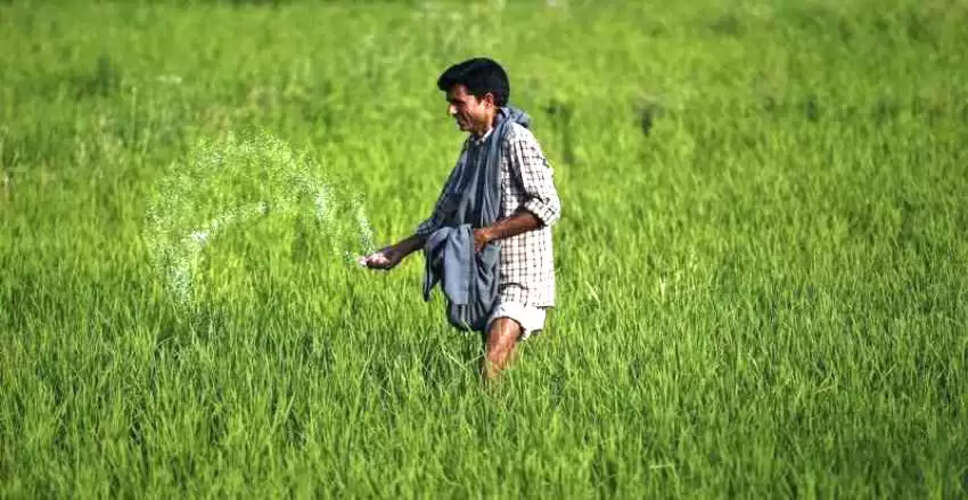
New Delhi: On Saturday, the government expressed confidence that any adverse effects on agriculture from the anticipated El Nino weather pattern would be minimal. This optimism is attributed to enhanced irrigation systems, elevated reservoir levels, and farmers being better prepared than in previous occurrences.
This reassurance was provided during a preparatory meeting led by Agriculture Minister Shivraj Singh Chouhan, focusing on the upcoming Kharif crop season, which begins with the southwest monsoon in June and is crucial for the nation's agricultural output.
The India Meteorological Department (IMD) has predicted below-average monsoon rainfall this year, estimating it at about 92% of the long-term average, while also indicating a risk of El Nino conditions developing. A more definitive forecast is expected by late May.
"Farmers should not worry," Chouhan stated during the meeting, emphasizing that the government is fully prepared.
The statement further noted that despite the potential impact of El Nino, its effects on agriculture are likely to be less severe than in previous years.
A key reason for the government's confidence is the current water reserve situation, with reservoir storage reported at 127% of the normal level for this time of year, providing a substantial buffer for irrigation throughout the growing season.
Seed supplies for both the Kharif and subsequent Rabi seasons have been secured beyond requirements, with emergency reserves available should adverse weather necessitate replanting or crop switching.
Officials highlighted the contrast between current conditions and El Nino events from 2000 to 2016, which resulted in significant crop losses due to farmers' reliance on rainfall and limited resources to manage climate-related challenges.
Since then, India has made strides in expanding micro-irrigation systems, introducing climate-resilient seed varieties, and enhancing early-warning systems, which have significantly reduced the sector's vulnerability.
Paddy, the primary Kharif crop cultivated across vast areas, has shown improved stability, while contingency plans are being developed for crops that are more susceptible to rainfall shortages.
Chouhan instructed state governments to implement contingency plans at the district level and encouraged officials to promote drought-resistant varieties and delayed sowing strategies as viable options for farmers if conditions deteriorate.
A crop-weather monitoring system is already in place, with the central and state governments coordinating regularly to facilitate prompt responses.
El Nino, characterized by periodic warming of surface waters in the central and eastern Pacific Ocean, typically disrupts monsoon patterns in South Asia and has historically been linked to below-normal rainfall in India, increasing the risk of drought in rain-fed agricultural areas.
As the world's second-largest producer of rice and wheat, India's agricultural output is vital for the livelihoods of millions.