
Why is 300,000 Metric Tonnes of LPG Stuck at the Strait of Hormuz?
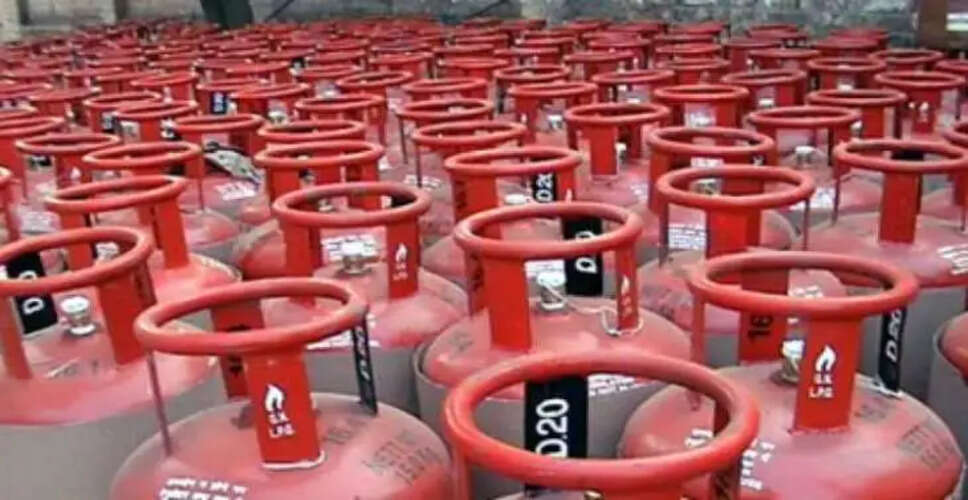
Significant LPG Disruption at the Strait of Hormuz
New Delhi: Approximately 300,000 metric tonnes of liquefied petroleum gas (LPG) are currently immobilized at the Strait of Hormuz, as reported by Rajesh Kumar Sinha, the Special Secretary in the Ministry of Ports, Shipping and Waterways, on Tuesday.
During a significant briefing, Sinha highlighted that several vessels transporting LPG are unable to navigate due to the ongoing situation in this vital shipping lane.
He noted that there are six ships trapped in the Strait of Hormuz, each carrying about 45,000 metric tonnes of LPG.
In total, this represents around 300,000 metric tonnes of fuel that has yet to reach its intended destinations.
The Strait of Hormuz is recognized as one of the most critical maritime routes for energy supplies, linking the Persian Gulf to the Arabian Sea.
Any interruptions in this narrow passage can significantly affect global energy trade and supply chains.
In related news, the second Indian-flagged LPG tanker, 'Nanda Devi', successfully docked at Vadinar Port in Gujarat on Tuesday morning.
Just a day earlier, the first Indian-flagged tanker, 'Shivalik', arrived at Mundra Port in Gujarat.
Officials confirmed that the LPG carrier Shivalik brought in approximately 46,000 metric tonnes of liquefied petroleum gas, with 20,000 metric tonnes designated for unloading at Mundra and the remaining 26,000 metric tonnes to be discharged at Mangaluru.
Both vessels are crucial for delivering LPG supplies to India after navigating a particularly perilous route through the Strait of Hormuz, where maritime traffic has been affected by the ongoing tensions involving Iran, the US, and Israel.
However, while Nanda Devi and Shivalik have reached their ports, another vessel, 'Jag Laadki', is currently on its way to India, carrying nearly 81,000 tonnes of crude oil from the UAE.