
US Federal Reserve Maintains Interest Rates Amid Geopolitical Tensions

Federal Reserve's Decision on Interest Rates
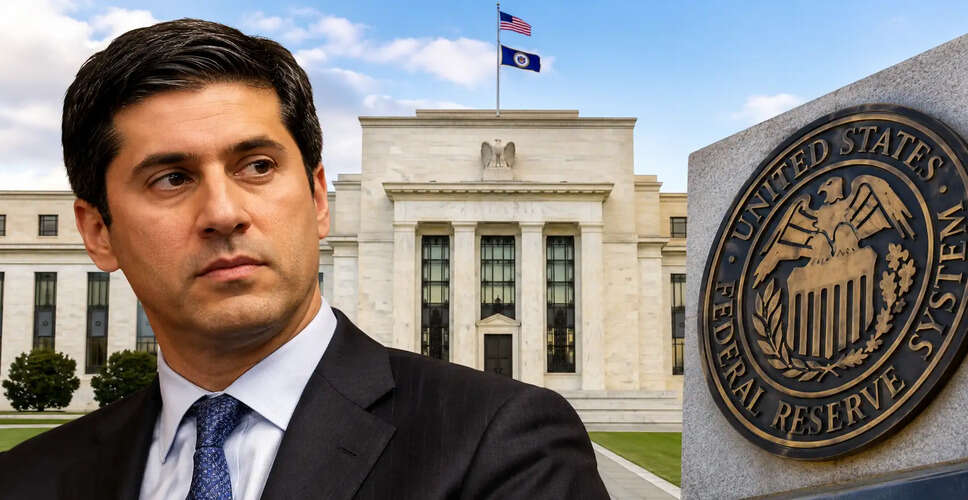
The US Federal Reserve has opted to keep its key interest rates steady. This meeting marked Kevin Warsh's inaugural session as Chairman and followed significant geopolitical unrest linked to the West Asia conflict, alongside rising trade tensions. The Federal Open Market Committee (FOMC) reached a unanimous decision to maintain the borrowing rate at 3.5-3.75 percent. Analysts suggest that the Fed's choice to hold rates steady for the fourth consecutive time aligns with market expectations. Previously, the Fed had reduced short-term interest rates in three successive meetings before pausing the easing cycle in January.
This decision was anticipated as policymakers continue to address inflationary challenges driven by increased energy costs due to the ongoing conflict in West Asia. Some experts argue that the elevated inflation forecasts coupled with slower GDP growth highlight the Fed's commitment to managing inflation, even if it means a slowdown in economic expansion.
In a departure from recent practices, Warsh refrained from providing his personal interest rate projections, emphasizing that such forecasts could restrict policymakers' flexibility and shift focus away from future guidance. During his press conference, he did not indicate the future trajectory of rates, which experts interpret as a signal to maintain adaptability in monetary policy in response to changing economic conditions.
Regarding the implications for India, Emkay Global noted that while a hawkish stance from the Fed could impose constraints on the Reserve Bank of India's (RBI) policy, the resolution of the Iran crisis (at least temporarily) and measures by the RBI and government to stabilize the rupee and attract capital flows will likely shift the RBI's focus towards domestic growth and inflation dynamics. The likelihood of a rate hike remains low, with the RBI expected to adopt a cautious wait-and-watch approach.