
US Extends Waiver for Russian Oil Purchases Amid Global Energy Crisis

Renewed Waiver for Russian Oil Purchases
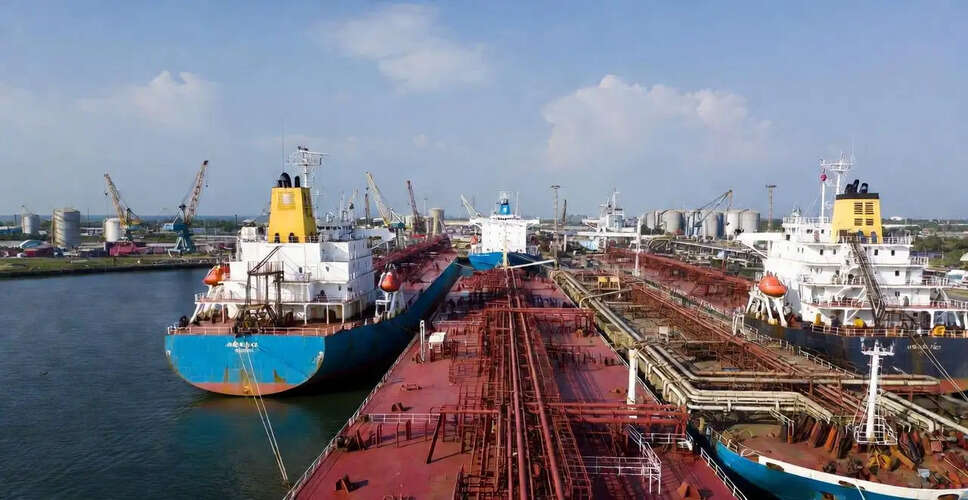
The United States has extended a waiver that permits nations to acquire sanctioned Russian oil and petroleum products at sea for an additional month. This decision from the Trump administration comes just two days after officials indicated there would be no renewal. The new waiver replaces the previous 30-day extension that lapsed on April 11.
Late Friday, the Treasury Department updated its website to reflect this license, allowing countries to buy Russian oil loaded onto vessels starting from Friday until May 16. Earlier in the week, US Treasury Secretary Scott Bessent had stated that the waiver for Russian oil, along with one for Iranian oil, would not be renewed.
The Treasury had previously allowed oil purchases loaded on vessels through a waiver that was set to expire on April 11. This latest extension is part of efforts to manage soaring global energy prices, which have surged amid the ongoing US-Israeli conflict with Iran and Tehran's blockade of the Strait of Hormuz for US allies.
This extension provides Indian refiners with the opportunity to sustain their imports without facing immediate legal or financial repercussions. Reports indicate that during the previous waiver period, imports from Russia saw a significant increase. In March, India's crude oil purchases from Russia skyrocketed to 5.3 billion euros, with volumes doubling and rising oil prices inflating the import costs.
A report from the European think tank Centre for Research on Energy and Clean Air (CREA) noted that after a decline in February, India resumed its buying spree in March. The report highlighted that India was the second-largest buyer of Russian fossil fuels in March 2026, importing a total of 5.8 billion euros worth of Russian hydrocarbons, with crude oil products making up 91 percent of these purchases, amounting to 5.3 billion euros.
Coal and oil products accounted for the remaining imports, valued at 337 million euros and 178.5 million euros, respectively. In February, India ranked as the third-largest importer, acquiring Russian hydrocarbons worth 1.8 billion euros, with crude oil representing the largest share at 81 percent (1.4 billion euros), followed by coal (223 million euros) and oil products (121 million euros).
Despite a 4 percent overall reduction in India's total crude imports in March, Russian imports saw a twofold increase, attributed to the US granting a one-month sanctions waiver on Russian oil, which included cargoes already at sea and shipments on previously sanctioned vessels.