
US Expands Social Media Vetting for Visa Applicants: What You Need to Know
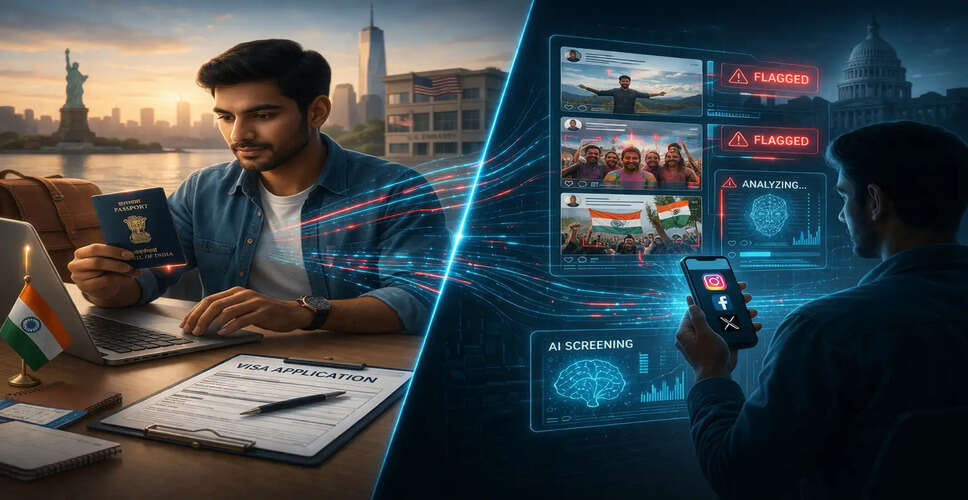
Expanded Social Media Screening for Visa Applicants
The United States has broadened its requirements for screening and vetting the social media accounts of visa applicants, now including several additional non-immigrant visa categories. This initiative is part of enhanced security measures during the visa application process. The newly included categories are H-3, K-1, K-2, K-3, Q, R-1, R-2, S, T, and U visas. Previously, only H-1B, H-4, F, M, and J visas were subjected to these checks. Applicants in these categories must ensure their social media profiles are accessible for consular officers to review publicly available information during the visa adjudication process. The State Department emphasizes that the visa application process involves comprehensive vetting of all applicants, treating each visa decision as a matter of national security.
Implications for Indian Visa Applicants
How This Affects Indian Applicants
This change is not expected to significantly impact a large number of Indian applicants, but it does indicate a trend of increased scrutiny across nearly all temporary visa types. Most Indians traveling to the US typically apply for H-1B, F-1, L-1, B-1/B-2, or family-based immigrant visas, rather than the newly added categories. However, there may be some limited effects on Indian applicants in specific situations. Those applying for fiancé or marriage-based visas (K-1/K-3), religious workers heading to US temples (R-1), participants in training or exchange programs (H-3 or Q), or victims seeking protection visas (T or U) should exercise additional caution. This development suggests that the US visa vetting process is gradually extending to encompass nearly all non-immigrant categories, beyond just students and skilled workers.
Overview of Newly Added Visa Categories
Newly Added US Visa Categories
The newly included visa categories primarily consist of specialized or less common types. The H-3 visa is designated for trainees and special education exchange visitors, while the K visa category pertains to fiancé(e)s, spouses, or children of US citizens. The Q visa is aimed at participants in cultural exchange programs. Other categories cater to specific professional and social roles. The R-1 and R-2 visas are intended for religious workers and their immediate family members, supporting faith-based activities. The S visa category is reserved for individuals who assist law enforcement as informants or witnesses in criminal or terrorism-related cases, often under strict confidentiality. Additionally, certain visas are designed to protect vulnerable individuals; the T visa is for victims of human trafficking, and the U visa is for victims of specific crimes who cooperate with law enforcement.