
US Energy Prices Surge Amid Iran Conflict: What It Means for Consumers
Rising Energy Prices in the US
The United States is bracing for a significant increase in energy prices as the ongoing conflict with Iran disrupts global oil shipments, causing turmoil in energy markets. This week, benchmark US crude futures have skyrocketed by 36%, reaching $90.90 per barrel, marking the fastest increase recorded since 1983. Experts caution that prices may soon exceed $100 per barrel, raising concerns about broader economic implications and potential recession risks.
Rapid Increase in Fuel Costs
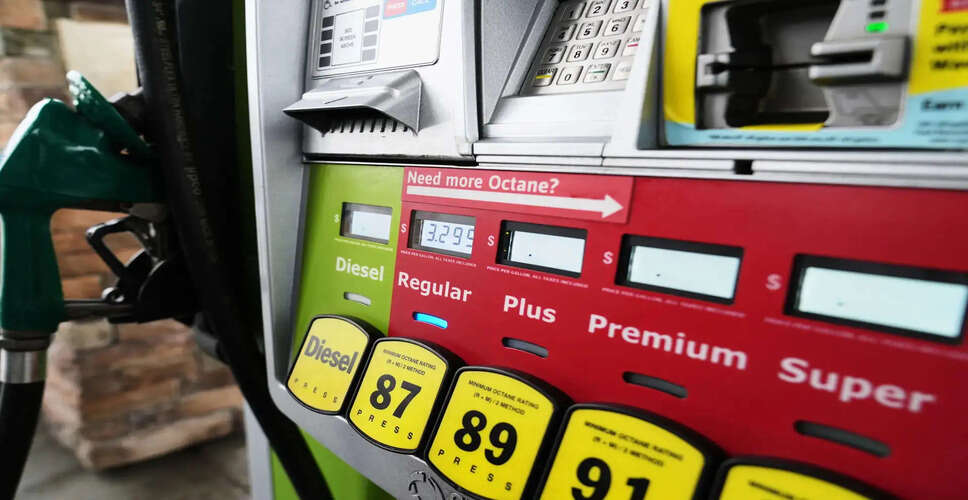
Consumers and businesses are already feeling the effects of rising fuel prices. Over the past week, diesel prices in the US have surged by 51 cents per gallon, while gasoline prices have increased by 32 cents, according to GasBuddy data. These escalating fuel costs are impacting truckers, airlines, and supply chains, with many drivers reporting that higher fuel expenses are cutting into their earnings on long-haul routes. Analysts estimate that Americans are now spending approximately $122 million more on gasoline daily compared to the previous week.
Disruptions in the Strait of Hormuz Impact Energy Markets
The recent price spike is attributed to escalating military tensions in the Middle East, which have disrupted shipping routes through the Strait of Hormuz, a vital passage for global oil exports. Attacks on energy infrastructure and threats to oil tankers have hindered shipments through this narrow waterway, which typically handles about one-fifth of the world's oil supply. This disruption has led to increased volatility in energy markets, with prices for diesel, gasoline, and jet fuel rising sharply as traders scramble to secure supplies.
Market Reactions to Heightened Uncertainty
The rapid and extensive nature of Iran’s counterattacks on energy facilities in the Persian Gulf has taken many investors by surprise, contributing to market volatility. Energy traders indicate that the continuous flow of geopolitical developments complicates the prediction of price trends. Shipping companies and insurers are also reevaluating risks as vessels navigate through increasingly perilous waters.
Government and Industry Measures
US Energy Secretary Chris Wright has suggested that the price surge may be temporary if the conflict is short-lived, citing robust US oil production and sufficient global supply levels as potential buffers against a prolonged crisis. However, uncertainty remains high. The administration has already implemented measures to alleviate supply pressures, such as permitting India to temporarily acquire Russian oil already en route and easing certain sanctions related to Russian energy exports. Officials are also contemplating potential naval escorts for commercial vessels traversing the Strait of Hormuz, reminiscent of operations during the Iran–Iraq conflict in the 1980s.
Supply Constraints May Hinder US Response
Despite record levels of US oil production, analysts warn that American producers may face challenges in rapidly increasing output. Many producers in the Permian Basin are constrained by infrastructure limitations, particularly in transporting natural gas produced alongside crude oil. Pipeline capacity issues could impede efforts to quickly enhance supply. Additionally, certain regions of the US, especially the East and West coasts, still rely on imported fuels. A prolonged disruption in global diesel and jet fuel supplies could heighten competition among the US, Europe, and Asia for limited resources.
Duration of Conflict: A Critical Risk Factor
Energy experts emphasize that the most significant uncertainty lies in the duration of the conflict. A prolonged war could further tighten global supply and drive prices significantly higher. Mark Romaine of Global Partners stated, “The biggest wild card is duration. How long does this go on?” For the time being, markets remain tense as traders, governments, and energy companies closely monitor developments in the Middle East.