
Urgent Call for Heat Safety Measures for Gig Workers in India
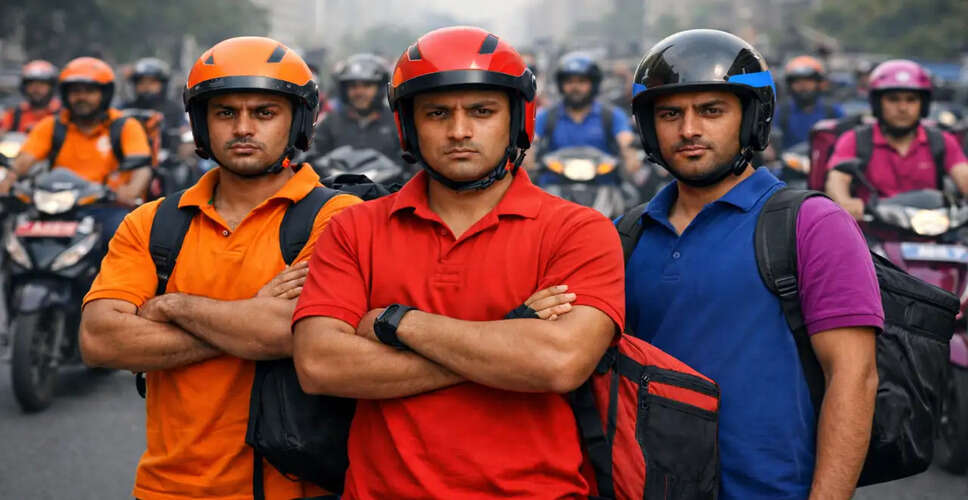

Rising Temperatures Prompt Safety Concerns for Outdoor Workers
As India experiences soaring temperatures, the severity of the summer heat is becoming increasingly apparent. Many cities are facing extreme heat, raising alarms for individuals who work outdoors for extended periods. In light of this, a national organization representing app-based drivers and delivery workers has made a significant appeal for enhanced worker safety. The Indian Federation of App-Based Transport Workers (IFAT) has officially reached out to the Ministry of Labour and Employment, advocating for enforceable protections against heatwaves.
IFAT has urged that these protective measures be included in the Code on Social Security, 2020, which outlines welfare provisions for gig and platform workers across the nation. In their correspondence, the federation emphasized the urgent requirement for systemic actions to safeguard workers during extreme weather events.
Among the suggested measures are paid cooling breaks during weather alerts issued by the India Meteorological Department, especially during Orange and Red alerts. Furthermore, IFAT has requested that workers be shielded from punitive measures such as reduced incentives, penalties, or account suspensions if they need to pause their work due to heat stress.
Moreover, IFAT has called for guaranteed access to vital resources like clean drinking water, oral rehydration salts, and designated cooling areas. The federation's proposals also include technological advancements, such as in-app emergency distress features and publicly accessible compliance dashboards to hold platform companies accountable.
Daily Heat Risks for Workers Without Adequate Protection
According to IFAT, delivery personnel, ride-hailing drivers, and home-service workers are operating in extreme heat without sufficient protections, putting their health at serious risk. The federation highlighted that this lack of safety measures poses a significant labor and public health issue.
To bolster its argument, IFAT cited international examples, pointing out that countries like South Korea, Singapore, France, Japan, the UAE, and regions such as California in the United States have already established similar protections for gig workers. "Heat protection is not a privilege. It is a labor right, a public health necessity, and a matter of dignity," IFAT stated in its letter.