
Understanding the Reality Behind Fuel Prices in India
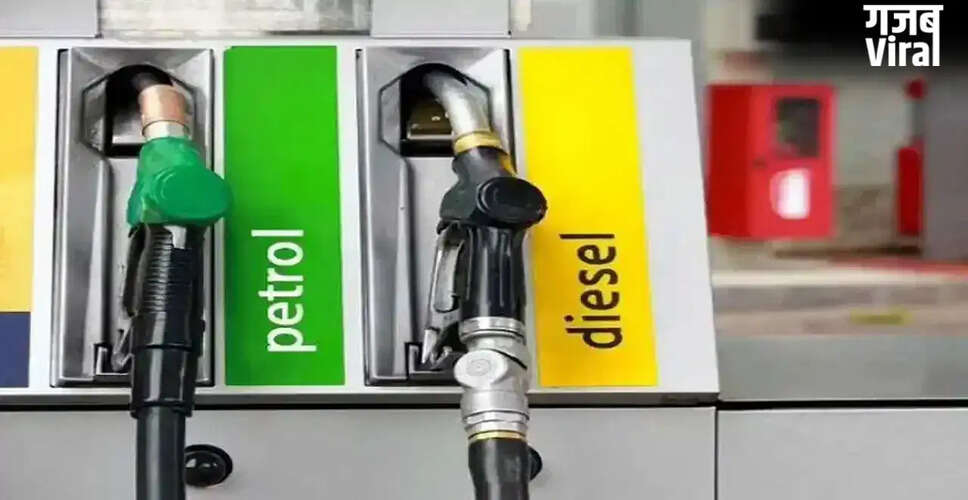

The Truth About Fuel Prices
Are you really getting petrol for 14 rupees and diesel for 18 rupees less? While this may sound like good news, the reality is quite different. Despite rising crude oil prices, fuel retail prices remain unchanged, causing significant losses for oil marketing companies. Essentially, the relief you perceive is being paid for by these companies. Let's delve into the details of this situation.
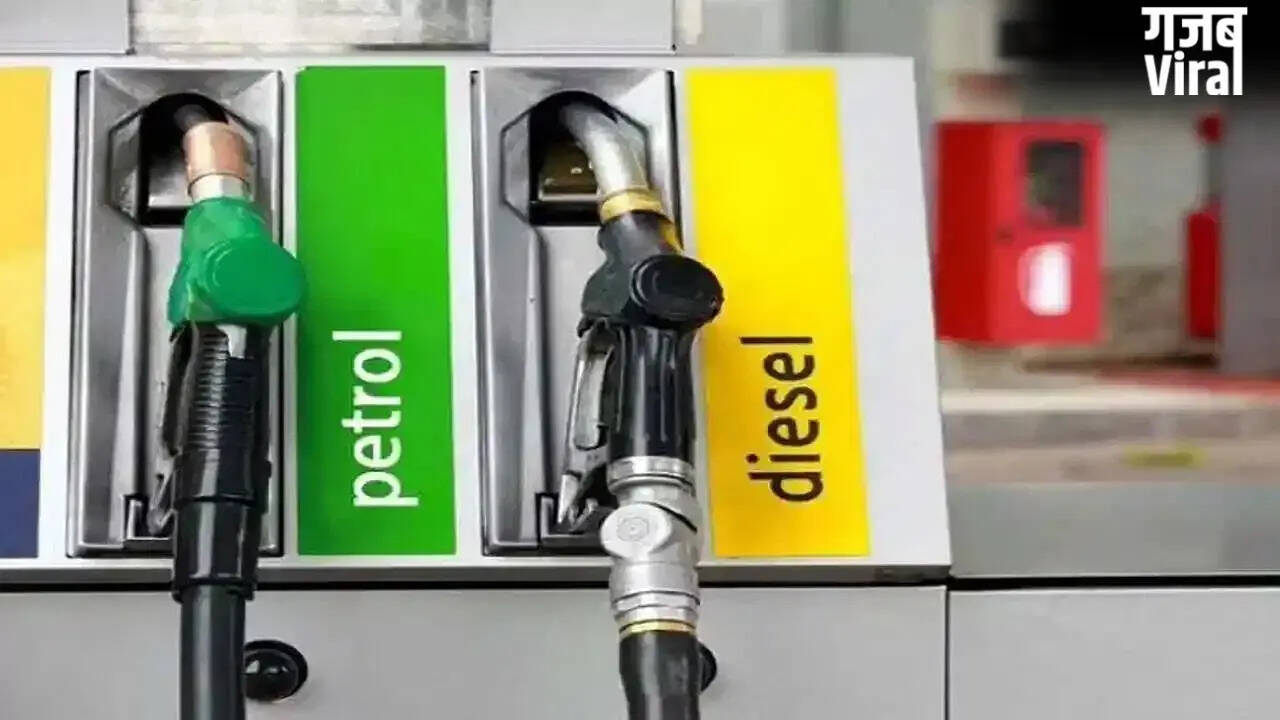
Amidst soaring global crude oil prices, petrol and diesel prices in India have remained relatively stable. This stability is directly impacting the profits of oil marketing firms. According to a rating agency, companies are currently incurring losses of approximately 14 rupees per liter on petrol and around 18 rupees per liter on diesel. Since these companies are not increasing fuel prices despite these losses, it may seem like you are benefiting from lower prices.
This situation has arisen because crude oil prices have surged to levels between $120 and $125 per barrel, while retail fuel prices have not increased proportionately. Thus, the relief consumers are experiencing is essentially at the expense of the companies' losses. The geopolitical tensions in the Middle East, particularly supply disruptions in the Strait of Hormuz, have exacerbated the situation. This route handles nearly 20% of global oil and LNG supply, and any disruptions here can lead to a sharp rise in global energy prices.
Recovery Data for LPG
In addition to fuel, companies are facing significant under-recovery on LPG as well. Estimates suggest that this figure could reach 80,000 crores in the fiscal year 2027. Meanwhile, the burden of fertilizer subsidies may rise to between 2.05 and 2.25 lakh crores, which is considerably higher than budget estimates.
The increase in energy costs is not limited to oil companies. Sectors such as fertilizers, chemicals, and city gas distribution are also under pressure. These companies are unable to pass the full burden of increased costs onto consumers, affecting their margins. Experts believe that this pressure will persist until global supply normalizes and geopolitical tensions ease. Additionally, if companies continue to sell fuel at a loss for an extended period, there is a possibility of sudden price hikes in the future.