
Understanding the Benefits of Public Provident Fund Loans in India
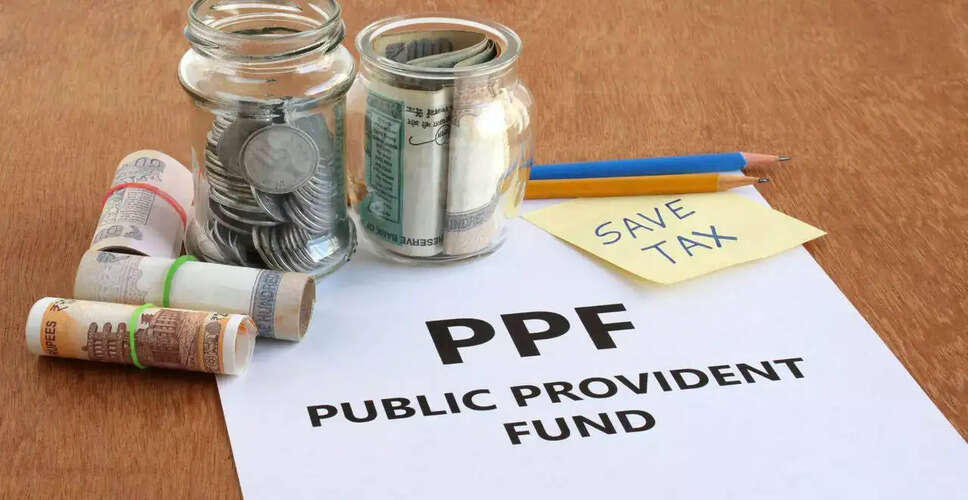
Exploring the Public Provident Fund (PPF)
The Public Provident Fund (PPF) stands out as a highly appealing long-term investment choice in India, primarily due to its tax-exempt returns and the security provided by the government. This scheme is crafted to encourage disciplined savings, allowing individuals to accumulate wealth over time while benefiting from tax deductions under Section 80C. Investors can contribute between Rs 500 and Rs 1.5 lakh each year, making it a viable option for a diverse group of savers.
While the PPF is mainly intended for long-term financial growth, it also offers a degree of flexibility during financial emergencies through its loan facility, which many investors might not fully leverage. A lesser-known aspect of the PPF is the option to secure a loan against the balance before the account matures. This feature is particularly advantageous for those in need of funds without having to liquidate their long-term investments.
Loans against PPF can be obtained between the third and sixth financial years after the account is opened. During this timeframe, withdrawals are not allowed, but account holders can borrow against their accumulated funds at comparatively low interest rates. To initiate the process, investors must complete Form D, which is accessible at their respective banks or post offices, and submit it along with necessary information such as the PPF account number, desired loan amount, a copy of the passbook, and a declaration.
Eligibility Criteria and Loan Limits
Not every PPF investor can utilize this loan facility at any time. Only those who fall within the eligible timeframe, specifically between the third and sixth year, are permitted to apply. The maximum loan amount is limited to 25% of the balance available at the end of the second financial year prior to the loan application year. This loan is intended for short-term needs and must be repaid within a span of 36 months. Interestingly, if the loan is repaid ahead of schedule, borrowers may qualify for another loan within the same six-year period.
Interest Rates and Repayment Guidelines
The interest rate associated with a PPF loan is relatively low, making it an appealing alternative to other borrowing methods. If the loan is settled within 36 months, the interest charged is merely 1% per annum. However, any delays in repayment can lead to a significant increase in costs, with the rate escalating to 6% per annum from the date of disbursement. Repayment is structured in two phases: first the principal, followed by the interest, which can be paid in up to two installments. If any interest remains unpaid, it may be deducted directly from the PPF account balance. It's crucial to note that the PPF balance does not accrue interest during the repayment period, which can affect long-term returns.