
Understanding Income Tax Notices: Key Insights for Taxpayers

Simplifying ITR Filing
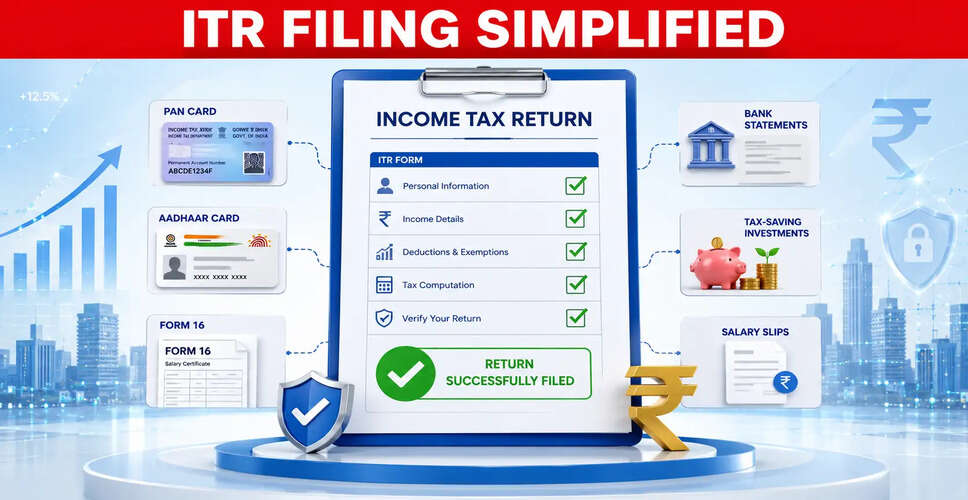
ITR Filing Made Easy: The process of filing Income Tax Returns (ITR) for the financial year 2026 is currently underway. A common concern among taxpayers is the receipt of notices from the Income Tax Department. However, these notices are typically issued for standard reasons, including discrepancies in reported income, inconsistencies between tax returns and financial records, high-value transactions, late submissions, or incorrect claims for deductions and exemptions. It is crucial to adhere to the necessary guidelines to avoid scrutiny from the tax authorities.
Common Errors in TDS Reporting
Issues with TDS Amounts:
A frequent error made by taxpayers involves mismatches in Tax Deducted at Source (TDS) amounts. This can occur if an employer delays or incorrectly files TDS returns, resulting in a situation where the deductee receives no tax credit. In such instances, it is advisable to ask your employer to correct the TDS amount credited to you.
Investments and Tax Implications
Investments in Spouse's Name:
There are situations where investments are made in the names of spouses, children, or relatives, often in assets like land, buildings, fixed deposits, mutual funds, or shares. Any income generated from these investments is still considered your income and will be taxed accordingly. It is essential to declare such income when filing your tax return.
Addressing Discrepancies
Identifying Discrepancies:
Sometimes, discrepancies are identified by the tax department in the returns submitted by taxpayers. These discrepancies can arise from various factors, such as forgetting to declare certain incomes, claiming deductions under incorrect sections, or providing incomplete information.
High-Value Transactions
Reporting High-Value Transactions:
For high-value transactions, it is advisable to keep the Income Tax Department informed. This ensures that taxes are appropriately levied on each transaction.
Consequences of Non-Filing
Failure to File Tax Returns:
The Income Tax Department may remind you about any unfiled tax returns, including those from the past six assessment years. Delays in filing can lead to penalties, and if taxes remain unpaid, the taxpayer may incur a 1% interest charge per month from the due date.