
UAE Seeks Financial Support Amid Escalating West Asia Conflict

UAE's Financial Strategies in Response to Regional Crisis
The ongoing conflict in West Asia has exacerbated the financial turmoil in the region, prompting the United Arab Emirates (UAE) to consider emergency measures to ensure dollar liquidity. A report from a prominent financial publication indicates that the UAE is in discussions with the United States regarding a potential financial safety net should the situation with Iran escalate further, threatening the oil-rich nation. Khaled Mohamed Balama, the Governor of the UAE Central Bank, proposed the establishment of a currency-swap arrangement during meetings with U.S. Treasury Secretary Scott Bessent and other officials in Washington last week, as reported by U.S. sources.
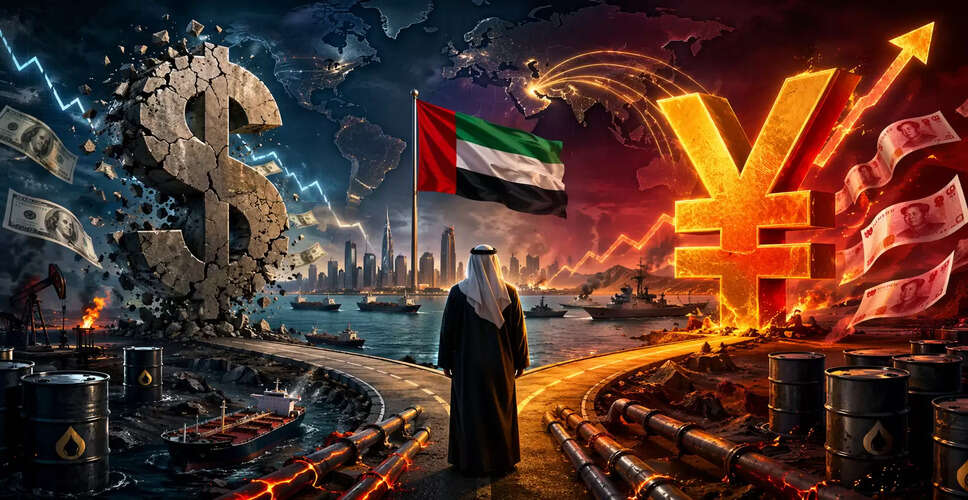
Emirati representatives conveyed that while they have managed to sidestep the most severe economic repercussions of the conflict thus far, they may still require financial assistance. They warned that a shortage of dollars could compel the UAE to resort to using the Chinese yuan or other foreign currencies for oil transactions and other financial dealings. Should a currency swap be implemented, it could pose an implicit challenge to the dominance of the U.S. dollar, which currently holds a significant position in global currency markets, largely due to its predominant role in oil trade.
Emirati officials attributed their involvement in the ongoing conflict to decisions made during President Trump's administration, which they believe have led to a destructive situation with lingering consequences. Typically, currency swap lines are managed by the U.S. Federal Reserve, but it is reported that the committee may be hesitant to approve such an arrangement for the UAE, as these lines are generally reserved for addressing acute funding-market strains that could impact the U.S. economy.
Previously, S&P Global noted that the UAE's considerable fiscal, economic, external, and policy flexibility would serve as a robust buffer against the economic fallout from the war. However, they cautioned that the risk of prolonged disruptions to oil exports and potential infrastructure damage could significantly alter their economic outlook.