
Transforming India's Urban Landscape: Insights from KPMG's Latest Report

India's Urban Development: A New Era
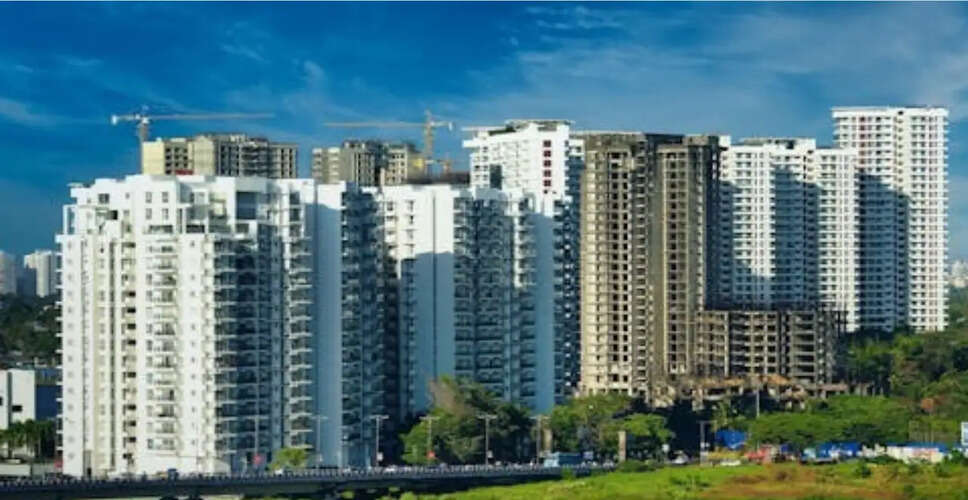
India's housing and urban development sector is poised for significant transformation, driven by rapid urbanization, enhanced infrastructure, and evolving policy frameworks, as highlighted in a recent report by KPMG. The findings suggest that cities in India will increasingly contribute to economic growth. By 2036, urban residents are projected to make up nearly 40% of the population, with estimates indicating that almost half of all Indians will reside in urban areas by 2050. The decisions made today regarding housing, financing, and urban planning will have profound implications for the nation's Viksit Bharat 2047 vision.
The report emphasizes affordable housing as a critical concern for both policymakers and industry players. Despite strong demand from Economically Weaker Sections (EWS) and Low-Income Groups (LIG), various persistent challenges hinder project implementation. Developers often grapple with escalating land acquisition costs, prolonged approval processes, fragmented regulatory frameworks, and difficulties in obtaining sufficient financing. These challenges have stymied the scaling of affordable housing projects, even amidst ongoing demand.
To enhance project viability, the report advocates for several policy measures, including improved floor area ratio (FAR) benefits for affordable housing, streamlined single-window clearance processes, digitized land records, and reduced development charges. Additionally, enhancing connectivity through last-mile infrastructure and urban planning that aligns with changing population dynamics could further bolster housing supply.
The Rising Significance of Rental Housing
Rental Housing Gains Importance In Urban India
In addition to homeownership, the report underscores the growing importance of rental housing in urban settings. However, the rental market remains largely unregulated, with minimal institutional involvement and low investor interest. The report suggests that establishing a more organized rental housing framework could unlock substantial opportunities. Initiatives such as GST rationalization, granting priority sector lending status, repurposing vacant housing, and promoting co-living arrangements could help expand this market.
Specialized housing options tailored for students, professionals, and senior citizens are anticipated to gain popularity. Furthermore, broader adoption of Affordable Rental Housing initiatives and the monetization of public assets could address the existing supply gap. The report also highlights the need for improved regulatory efficiency and increased confidence among homebuyers, focusing on better coordination between the Real Estate (Regulation and Development) Act (RERA) and the Insolvency and Bankruptcy Code (IBC).
Key recommendations include implementing early-warning systems to detect project stress, integrating digital project progress reporting, establishing project-specific insolvency resolution processes, and fostering collaboration between RERA authorities and insolvency experts.
The Path Forward for Urban Growth
Urban Growth Will Depend On Effective Execution
The report concludes that India's forthcoming phase of urban growth will heavily depend on reforms focused on effective execution, stronger institutions, and enhanced collaboration between public and private sectors. A comprehensive approach that integrates affordable housing expansion, a more structured rental market, and robust regulatory protections could establish a foundation for sustainable and inclusive urban development. As urban areas in India continue to grow, these priorities are expected to significantly influence the country's economic and social development trajectory in the coming decades.
(With agency inputs)