
Surge in Oil Prices Amid US-Iran Tensions: What It Means for Global Markets
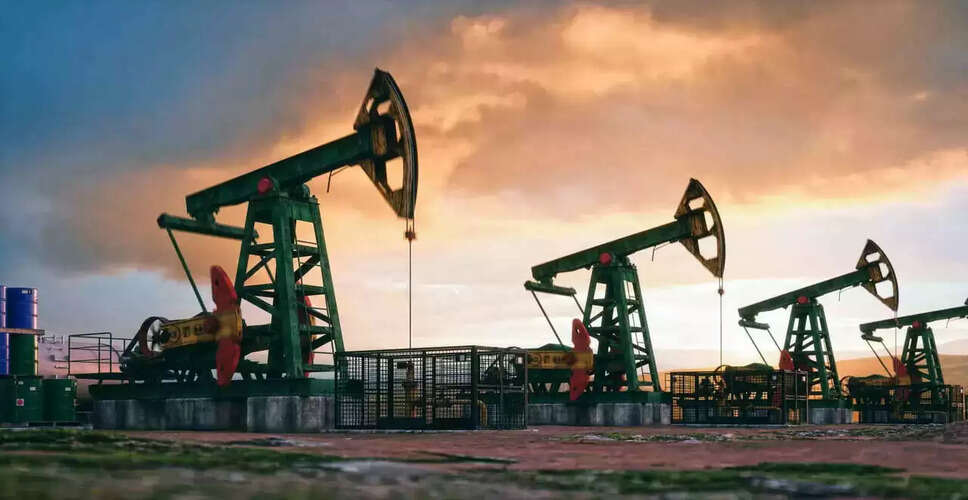

Oil Prices Reach New Heights
On Tuesday, oil prices soared to their highest point in four weeks, driven by escalating military tensions between the United States and Iran, which raised alarms about potential disruptions in global crude supply. Crude oil prices experienced a significant surge, climbing 9.6% in a single day—the largest increase since May 2020. Brent crude surpassed $85 per barrel, while US West Texas Intermediate (WTI) approached $80 per barrel following the US's reinstatement of a naval blockade on Iran and heightened military activity in the Strait of Hormuz.
WTI crude jumped from approximately $72 to $80 per barrel within a week amid the ongoing conflict. Despite remaining below the wartime peak of nearly $120 per barrel, concerns about future supply stability have intensified, especially as both nations assert control over the strategically crucial Strait of Hormuz.
Nuvama Institutional Equities warned that a prolonged disruption in this vital oil transit route, which carries nearly 20 million barrels of crude daily, could push oil prices to between $110 and $150 per barrel.
Reasons Behind the Price Surge
The immediate catalyst for the price increase was the rising tensions between the US and Iran. Reports indicate that crude prices have reached their highest levels since the US and Iran signed a memorandum of understanding on June 17 aimed at reducing tensions. However, the situation shifted dramatically after US President Donald Trump announced the reinstatement of a blockade on Iranian shipping through the Strait of Hormuz, stating that the US would seek reimbursement from nations benefiting from American naval protection in the region.
Trump emphasized the US's aggressive stance, declaring, "We're hitting them very hard. And it'll continue, and we'll see what happens." He noted that the US is targeting Iranian offensive capabilities and controlling the straits, marking a significant shift from the US's previous policy of supporting unrestricted navigation through this critical waterway.
The Strait of Hormuz is a crucial energy corridor, facilitating the transport of crude oil and liquefied natural gas from Gulf producers to global markets. Any disruption in this passage raises immediate concerns about supply shortages, prompting traders to increase oil prices. Recent military activities in the area have further heightened these fears.
Impact on India
The US's decision to reinstate the blockade has reignited concerns regarding energy supplies for India, the world's third-largest oil importer. Analysts from ICICI Bank noted, "Oil prices have started to increase once again," adding that this uncertainty could affect inflation and economic growth. Upasna Bhardwaj from Kotak Mahindra Bank expressed caution regarding the geopolitical tensions and potential upward pressure on oil prices, anticipating that the Reserve Bank of India will adopt a wait-and-see approach as it evaluates the impact on core inflation.
Recent government data indicated that wholesale prices rose nearly 10% in June compared to the previous year, exceeding the expected 9.2% increase. This measure, which includes commercial mark-ups, has shown a steady rebound after a period of deflation last year.
US Military Actions
The United States has intensified its military operations against Iran, with CENTCOM confirming a third consecutive night of strikes targeting Iranian military infrastructure. The US military stated that these strikes aim to impose significant costs on Iranian forces and diminish their capacity to threaten civilians and commercial shipping in the Strait of Hormuz.
Following these announcements, Trump referred to the latest military actions as "another major attack." Meanwhile, Iranian media reported multiple explosions in the port city of Bandar Abbas and on Kish Island, indicating ongoing US strikes on strategic locations.
Russian Oil Production Decline
In June, Russia's crude oil production fell to its lowest level in over two and a half years, impacted by persistent Ukrainian drone strikes disrupting its energy infrastructure. According to OPEC's latest report, Russian output averaged 8.928 million barrels per day, highlighting the increasing strain on its oil sector. The June figures were 834,000 barrels per day below Russia's production target under the OPEC+ agreement and 61,000 barrels per day lower than the revised May figures.
This production level marks the lowest since at least February 2024, as separate estimates suggest that Russia's crude output had remained above June's levels throughout early 2023.
Future Outlook
While Brent crude prices are still significantly below the nearly $120 per barrel levels seen during previous geopolitical crises, analysts warn that the market could experience heightened volatility if the conflict escalates further.