
Surge in Global Oil Prices Amid US-Iran Tensions
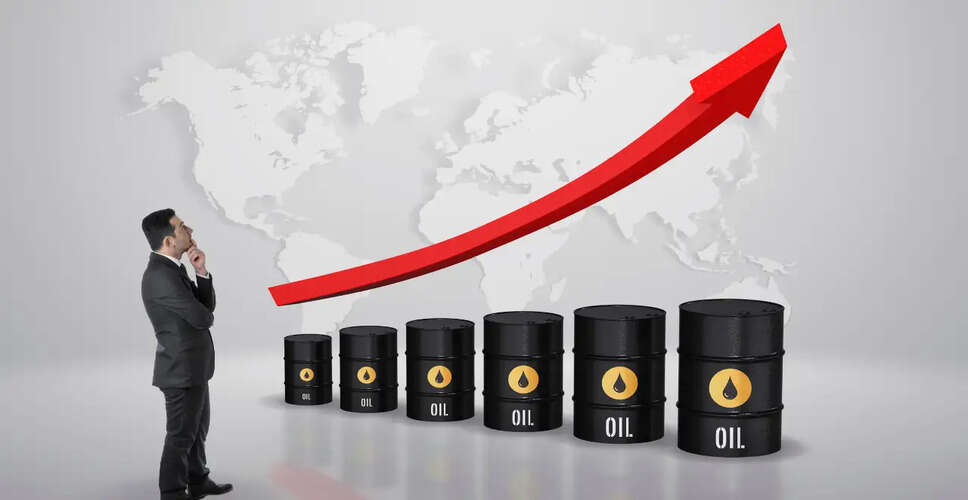

Oil Prices Spike Due to Escalating US-Iran Conflict
On Friday, global oil prices experienced a significant increase of over 8% as tensions between the United States and Iran escalated, raising alarms about potential supply disruptions from the Middle East and concerns regarding global energy security. Brent crude, the international standard, surged past $80 per barrel, while US West Texas Intermediate (WTI) also saw substantial gains as investors reacted to renewed military actions and the heightened risk of a wider regional conflict.
This price surge followed the announcement that US military operations against Iran had resumed, with President Donald Trump formally informing Congress under the War Powers Resolution. This development has intensified worries that ongoing hostilities could jeopardize oil production and shipping routes in the Gulf region.
Focus on the Strait of HormuzThe market's attention is particularly drawn to the Strait of Hormuz, a critical energy passage where nearly 20% of the world's oil supply transits. Any disruption in this narrow waterway poses a significant risk to international markets. Analysts have cautioned that attempts to restrict tanker traffic through the strait could further tighten global crude supplies and drive prices even higher.
Investors Shift to Safe HavensThe rapid increase in oil prices has led to broader market fluctuations, prompting investors to seek refuge in traditional safe-haven assets like gold and the US dollar. Sectors heavily reliant on fuel, such as airlines, faced pressure as traders evaluated the economic implications of sustained high energy costs. Energy analysts noted that this latest price spike is more indicative of rising geopolitical risks than shifts in supply and demand fundamentals.
Anticipating Further Market VolatilityOil traders are vigilantly observing developments in the Middle East, especially any indications of further military escalation involving regional powers. Additional sanctions, attacks on energy infrastructure, or disruptions to shipping routes could trigger another wave of price hikes. While global crude supplies are currently sufficient, analysts warn that a prolonged conflict between the US and Iran could keep energy markets on high alert and maintain elevated oil prices in the coming weeks.