
Surge in Fuel Prices in Pakistan Amid Middle East Conflict
Pakistan's Fuel Price Hike
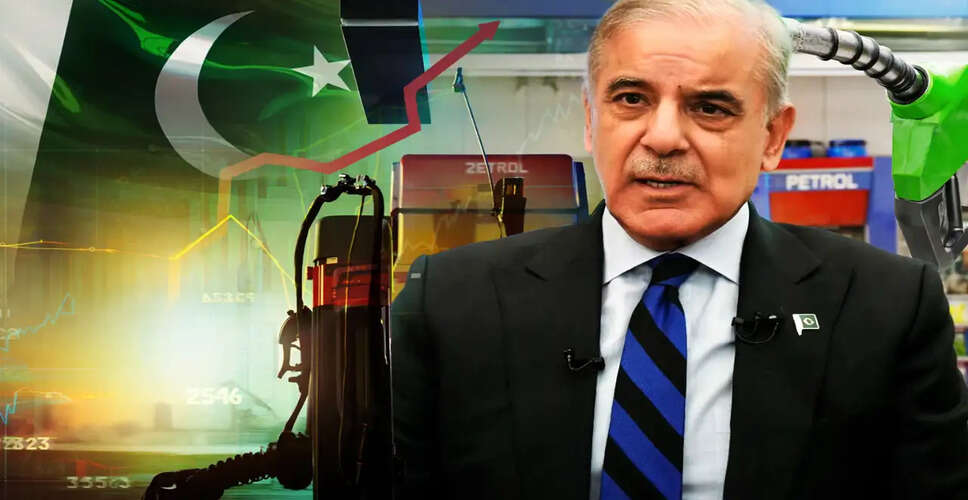
Pakistan Fuel Crisis: The ongoing conflict in the Middle East has led to a significant rise in fuel prices in Pakistan. On Friday, the government announced an increase of Rs 55 per litre for both petrol and diesel, bringing petrol to Rs 321 per litre and high-speed diesel to Rs 336 per litre, as reported by a local media outlet. Officials indicated that this might be the first of multiple price hikes if the situation in West Asia continues to escalate. The global oil market is facing pressure due to disruptions caused by the conflict involving the United States, Israel, and Iran, which has pushed crude oil prices to their highest levels in two years. Tensions intensified following airstrikes that resulted in the death of Iran’s Supreme Leader, Ali Khamenei, along with other senior officials, prompting Iran to retaliate against US military bases in the Gulf region.
Energy Supply Challenges in Pakistan
Pakistan, like many developing nations, is heavily dependent on imported fuel, and the current supply disruptions have compelled the government to reassess its energy policies. Petroleum Minister Ali Pervaiz Malik announced the new fuel prices after Prime Minister Shehbaz Sharif approved a mechanism for weekly price adjustments. Malik noted that global prices have surged dramatically in a short period. He expressed uncertainty about the duration of the crisis, stating, “The fundamental issue we face is that we do not know how long this crisis will persist.”
Despite having built up fuel reserves, Malik cautioned that the situation could extend longer than anticipated. He emphasized the collective responsibility of the state, government, and citizens to manage the crisis effectively. He reported that international fuel prices have risen sharply, with petrol prices increasing from $78 to $106.80 per barrel (a 37% rise) and diesel prices from $88 to $150 per barrel (a 70% increase). Consequently, the government had no option but to raise domestic fuel prices to maintain supply. “We have made slight changes in the levy and decided to increase prices by Rs 55 for both petrol and diesel,” he stated.
Rising Inflation Concerns
This steep increase in fuel prices is likely to elevate transportation costs, food prices, and overall inflation in Pakistan. Officials mentioned that diesel prices are partially subsidized for agricultural and public transport sectors, while petrol users are shouldering a larger portion of the cost. The government has also adjusted the petroleum levy, raising it on petrol to Rs 105.4 per litre and lowering it on diesel to Rs 55 per litre. Finance Minister Muhammad Aurangzeb highlighted the need for the government to prepare for various scenarios as the crisis evolves, stating, “Hope is not a strategy.” Deputy Prime Minister Ishaq Dar noted that Pakistan is in discussions with regional partners to help ease tensions, asserting, “Pakistan is making every effort, in coordination with its partners, to de-escalate the conflict that is currently underway and to bring under control what has virtually become a war situation.”