
Stock Market Update: Continued Decline Amid Geopolitical Tensions
Market Performance Overview
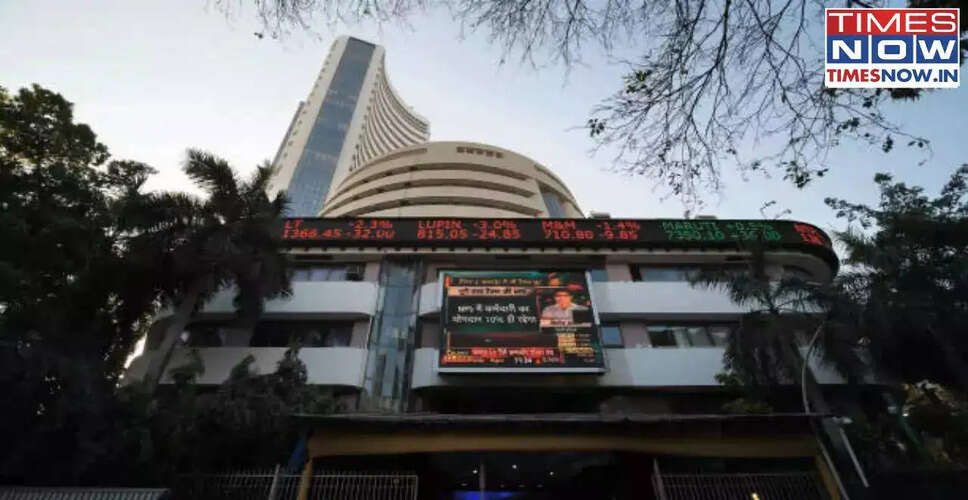
Stock Market Outlook: The Sensex and Nifty concluded the week on a downward trend, marking the fifth consecutive week of losses. Investor sentiment has been adversely affected by ongoing geopolitical tensions in the Middle East, which has kept markets under strain. On March 27, the Sensex dropped by 1,690 points, or 2.25%, finishing at 73,583, while the Nifty 50 fell by 487 points, or 2.09%, closing at 22,819.60. Ponmudi R, CEO of Enrich Money, noted in a Mint report that, 'Indian equity markets have experienced volatility and pressure throughout the week, with sentiment remaining fragile due to ongoing geopolitical issues, high crude oil prices, and persistent foreign outflows. Despite some attempts at recovery, the overall market structure has remained weak, with indices unable to maintain gains at elevated levels.'
Looking ahead, the market's trajectory is expected to be closely tied to the geopolitical situation involving the US, Israel, and Iran. Investors will be monitoring developments in the Middle East, as any escalation or de-escalation could significantly impact sentiment, particularly regarding crude oil prices. Ponmudi R added, 'High oil prices are likely to exert pressure on markets, while any potential pullback could trigger short-covering and support a rebound. Additionally, foreign investor flows, currency movements, and broader global market trends will play a crucial role in shaping the near-term outlook.'
The ongoing tensions between the US and Iran remain a significant concern for the stock market. Although there have been attempts at negotiation, no agreements have been reached, maintaining a high level of uncertainty. The Strait of Hormuz, a vital route for global oil supply, continues to face disruptions, raising concerns about supply chain stability. Concurrently, crude oil prices have surged, with Brent crude exceeding $112 per barrel, heightening worries about inflation and macroeconomic stability, which further pressures equity markets.
Currency and Commodity Trends
The Indian rupee has weakened, crossing the 94 mark against the US dollar. This decline is attributed to rising oil prices, capital outflows, and global risk aversion. Jateen Trivedi, VP Research Analyst at LKP Securities, stated, 'The rupee has continued its sharp decline, falling another 0.80% to 94.70 against the dollar, as increasing crude prices intensify pressure on India’s import bill. The prolonged concern over high crude prices is heavily impacting the currency and overall macro outlook. Sustained demand for dollars and energy-led inflation risks are keeping the rupee under pressure. Technically, 94.00 is now a key resistance level, while the next significant support is around 95.00. The bias remains weak unless there is a meaningful correction in crude prices.'
The commodities market is entering the week with a phase of measured stabilization following last week’s sharp correction, particularly in precious metals, where gold and silver experienced aggressive profit booking after an extended rally. The recent decline has alleviated overbought conditions, with prices now attempting to regain momentum amid mixed global cues, including a strong US dollar and evolving geopolitical developments in the Middle East. While safe-haven demand has slightly moderated, underlying uncertainty continues to provide intermittent support to bullion, as noted by Ponmudi.
FII Outflows Impacting Markets
Foreign institutional investors have continued to aggressively sell off Indian equities in March, with total outflows surpassing Rs 1 lakh crore. Vijayakumar commented, 'It is crucial to recognize that FPIs have also been sellers in other emerging markets, such as Taiwan and South Korea. There is a global risk-off trend in equity markets following the outbreak of war in West Asia. For their sustained selling strategy to change, there needs to be an end to hostilities in West Asia and a decline in crude prices.'