
Sri Lanka Implements Weekly Holiday to Conserve Fuel Amid Global Tensions
Sri Lanka's New Fuel Conservation Strategy
Sri Lanka has declared every Wednesday as a holiday for public institutions to help conserve fuel, responding to concerns over potential shortages linked to the ongoing geopolitical tensions involving the US, Israel, and Iran. During an emergency meeting, President Anura Kumara Dissanayake emphasized the need to 'prepare for the worst while hoping for the best.' This decision comes as the Strait of Hormuz, a crucial oil passage, experiences disruptions, significantly affecting Asia, which relies heavily on energy imports. Last year, nearly 90% of the oil and gas that transited through the strait was destined for Asian nations, making the region particularly susceptible to supply disruptions and escalating prices.
Responses from Other Asian Nations
In light of the fuel crisis, several Asian countries have implemented stringent measures. Thailand is urging residents to wear lighter clothing to minimize air conditioning usage. Myanmar has introduced odd-even driving rules based on vehicle license plate numbers. Bangladesh has moved up Ramadan holidays for universities and initiated scheduled power outages to conserve energy. In the Philippines, some government offices have instituted work-from-home days, while President Ferdinand Marcos Jr has prohibited non-essential public sector travel. Additionally, he has announced cash assistance ranging from 3,000 to 5,000 pesos for vulnerable groups, including drivers, farmers, and fishermen, to help them cope with rising fuel prices. Vietnam is also encouraging its citizens to reduce travel, advising them to use bicycles, carpool, utilize public transport, and limit personal vehicle use when possible.
Additional Measures by Sri Lanka
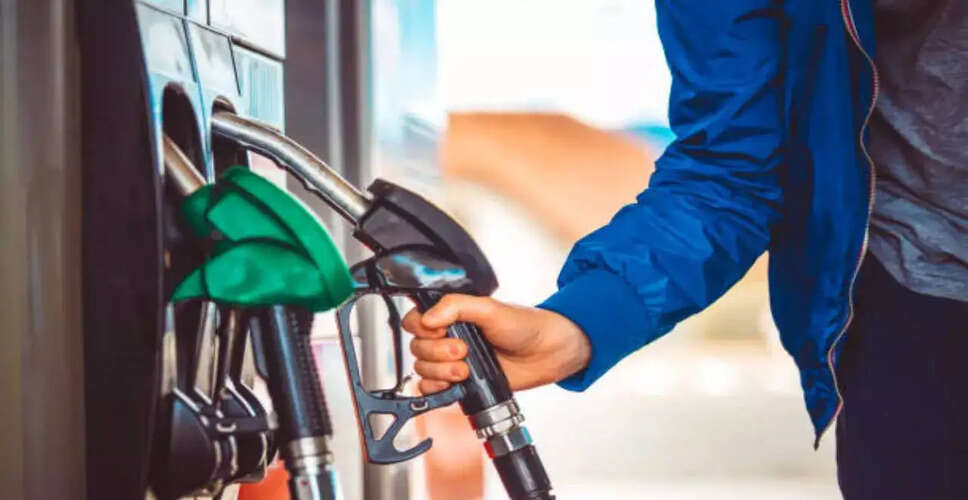
Sri Lanka's new four-day workweek will extend to schools and universities, although essential services such as healthcare and immigration will operate as usual. The choice of Wednesday for the additional holiday aims to prevent a three-day shutdown of government offices. Furthermore, the country has reinstated fuel rationing through a National Fuel Pass system, which restricts fuel purchases to 15 litres for private vehicles and five litres for motorcycles. This system, initially implemented during the economic crisis of 2022, has faced backlash from citizens who argue that the quotas are insufficient. With global oil prices nearing $100 per barrel due to recent Middle Eastern tensions, further measures may be anticipated across the region as nations prepare for ongoing uncertainty.