
SpaceX Achieves Historic IPO, Elevating Elon Musk to Trillionaire Status
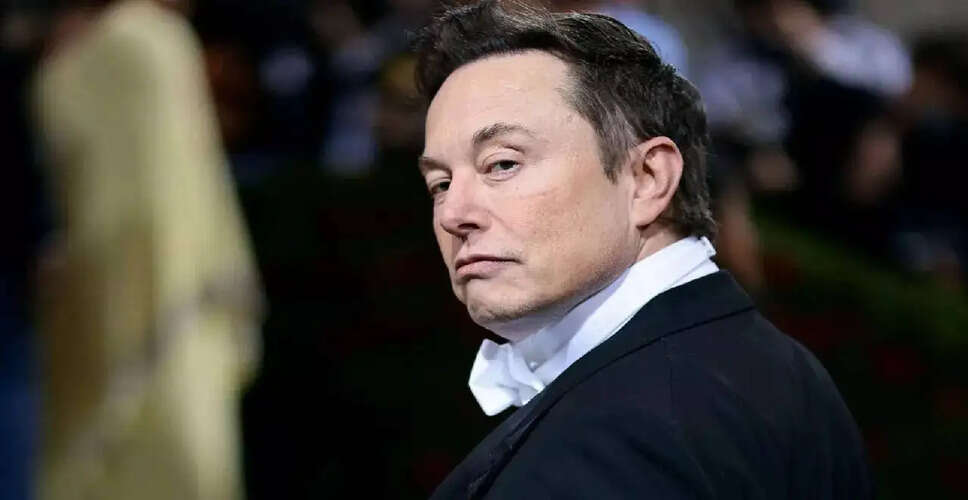

SpaceX's Groundbreaking IPO
On June 12, SpaceX made headlines on Wall Street by executing the largest initial public offering (IPO) in history, a significant milestone for both the aerospace industry and the tech sector. The company raised an impressive $75 billion through this public offering, concluding its first trading day with a market capitalization nearing $2.2 trillion. This event also marked a historic financial achievement for founder Elon Musk, who became the first trillionaire in the world.
The highly anticipated IPO drew considerable interest from investors, primarily because it provided an opportunity to support Musk's ambitious vision of creating a comprehensive ecosystem that encompasses space exploration, satellite communications, and artificial intelligence (AI). However, many of SpaceX's long-term initiatives demand substantial investments, carry significant execution risks, and may take years to yield substantial returns.
On its opening day, SpaceX's shares surged by 19%, closing at $160.95. This surge elevated the company's valuation to approximately $2.2 trillion, positioning it among the most valuable publicly traded companies globally and ranking it as the sixth-largest by market capitalization. The successful debut reflects investor confidence in SpaceX's growth potential and highlights the market's readiness to assign high valuations to firms at the convergence of aerospace and AI innovation.
Reasons Behind SpaceX's Public Offering
Despite generating significant cash flow as a private entity, particularly through its Starlink satellite broadband service, SpaceX required even larger financial resources. According to company reports, the funds raised from the IPO will be utilized to enhance AI computing infrastructure, bolster rocket and space capabilities, and accelerate satellite deployment initiatives. These investments are crucial for SpaceX's strategy to broaden its technological presence across various high-growth sectors.
While the company could have continued to secure funding privately, its financial needs have surged, especially following its acquisition of xAI in February. The AI firm is reportedly incurring around $1 billion monthly for computing infrastructure and model training, intensifying funding pressures. Transitioning to a public company also grants SpaceX access to wider capital markets, potentially allowing for more efficient fundraising as competition in the AI arena escalates.
From Aerospace Challenger to Tech Powerhouse
Over the years, SpaceX has evolved from a minor player in the aerospace field to a leading force in the industry. Currently, it secures billions in government contracts and plays a vital role in supporting the U.S. space program. Its portfolio has expanded significantly beyond rocket launches, now including Starlink and xAI, the creator of the Grok chatbot, as well as ownership of the social media platform previously known as Twitter.
The acquisition of xAI has further enhanced SpaceX's involvement in artificial intelligence. Regulatory filings prior to the IPO indicated that AI constitutes $26.5 trillion of the company's estimated total addressable market of $28.5 trillion, making it a key driver of its projected revenue growth.
Navigating the Challenges of Public Ownership
Despite the successful IPO, becoming a public entity introduces new obligations. SpaceX is now required to disclose its financial performance quarterly and face scrutiny from Wall Street analysts and shareholders. The company's strategic flexibility may also be influenced by stock market fluctuations. Any significant drop in share price or adverse developments could pressure investors and affect future fundraising efforts.
Some investors remain skeptical about SpaceX's lofty valuation, questioning whether a company that has not yet achieved profitability should command such a premium. Concerns also arise regarding xAI's substantial cash burn, which could detract from the attractiveness of SpaceX's more established operations, particularly Starlink. Compounding these challenges is the rapidly changing AI landscape, where competitors like OpenAI and Anthropic are also eyeing public listings. Notably, Elon Musk is expected to retain approximately 82% of the company's voting power post-IPO.