
South Korea to Implement Zero Tariff on LNG and LPG to Combat Inflation
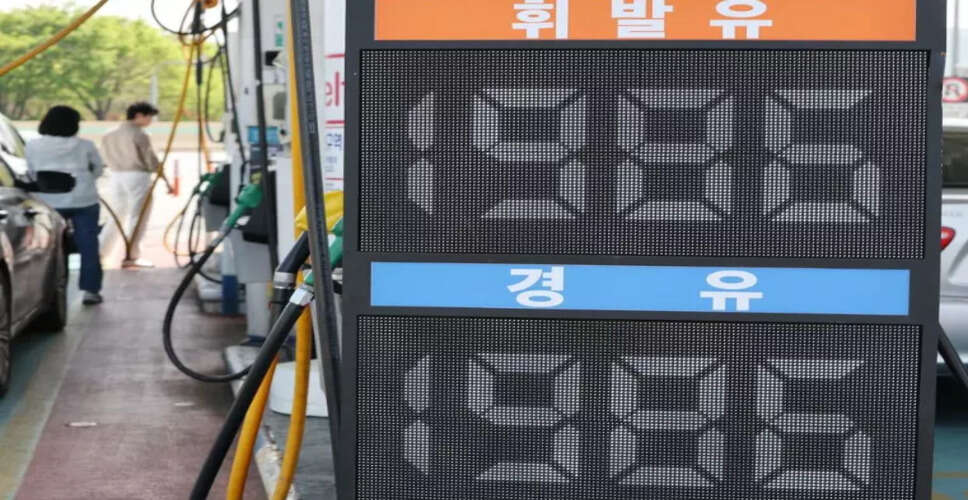

South Korea's Tariff Strategy
Representational image
Seoul, June 18: South Korea is set to introduce zero tariff rates on liquefied natural gas (LNG) and liquefied petroleum gas (LPG) within specific quotas starting in the latter half of 2026. This initiative aims to address inflation concerns amid ongoing fluctuations in global energy prices, as stated by the finance ministry on Thursday.
The Ministry of Finance and Economy announced that the tariff rates for LNG, LPG, and crude oil utilized in LPG production will be reduced to zero in the second half of the year. This action is anticipated to help stabilize consumer prices by decreasing utility and transportation expenses.
Initially, the government had planned to cut LNG tariffs to 2 percent in the third quarter and 1 percent in the fourth quarter, while also reducing LPG and crude oil tariffs to 1 percent during the latter half of the year.
According to a ministry official, "We conduct commissioned research annually to assess whether the tariff-rate quota system exerts downward pressure on consumer prices, and the results consistently indicate a positive impact in the energy sector."
In May, South Korea experienced a 3.1 percent rise in consumer prices compared to the previous year, marking the highest increase in 26 months, following a similar rise in March 2024.
The tariff-rate quota system permits specific volumes of imports to benefit from reduced tariff rates within designated limits.
Finance Minister Koo Yun-cheol remarked during a meeting with relevant ministries that "it will take time for global energy production and transportation infrastructure, along with logistics supply chains, to return to normal."
Koo added, "The effects of increased raw material costs are still present, and uncertainties remain significant," emphasizing the government's commitment to implementing all possible measures to stabilize consumer prices.
Additionally, South Korea plans to extend the tariff-rate quota system to nine more agricultural products, including grape concentrate and juice, as well as two types of animal feed, by the end of this year.
Current tariff reductions on bananas, pineapples, and mangoes will continue until mid-August, considering the domestic fruit harvesting season for apples and pears. The new policy is set to take effect on July 1, pending Cabinet approval.