
Significant Drop in India's LPG Consumption Amid Supply Disruptions
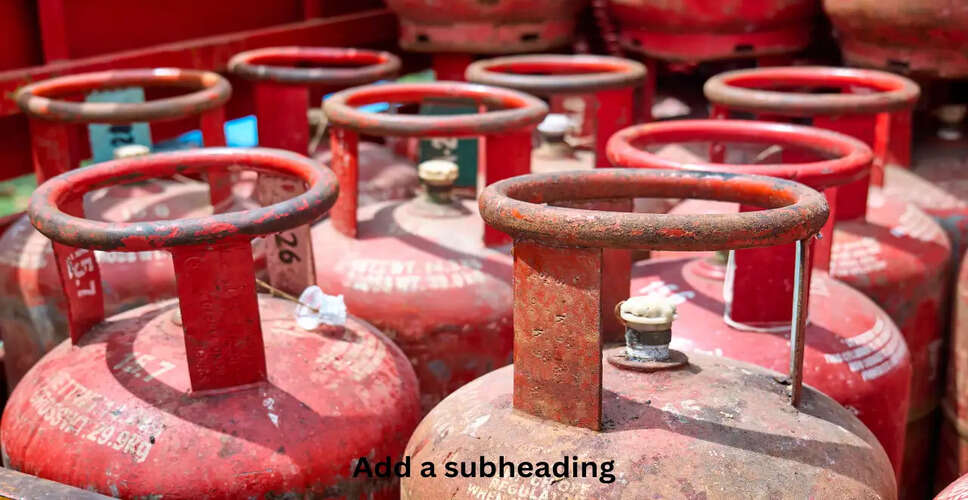
LPG Consumption Declines Sharply
In the initial half of March, India's consumption of cooking gas (LPG) experienced a notable decline due to supply interruptions from West Asia. Preliminary data indicates a year-on-year decrease of 17.7%, with consumption dropping to 1.147 million tonnes from 1.387 million tonnes during the same timeframe last year. This figure also represents a 26.3% reduction compared to the 1.557 million tonnes recorded in the first half of February.
The significant downturn is attributed to the ongoing conflict in West Asia, which has disrupted supply chains. India relies on imports for nearly 60% of its LPG needs, much of which is transported through the Strait of Hormuz. This route has faced constraints following US-Israel military actions against Iran and subsequent retaliatory measures.
With key suppliers like Saudi Arabia and the UAE experiencing disruptions, the Indian government has prioritized household LPG consumption by redirecting supplies away from commercial sectors such as hotels and industries. Data from state-owned fuel retailers, which dominate about 90% of the market, reveals that LPG demand in the first half of March was approximately 16% lower than the same period in 2024 and 10.6% below levels seen in 2023.
Historically, LPG consumption in India has grown steadily at a rate of 3–4% annually, largely due to government initiatives aimed at transitioning households from traditional fuels like firewood.
In contrast, the demand for aviation turbine fuel (ATF) also saw a decline, dropping 4% year-on-year to 327,900 tonnes, and falling 12.3% from the previous month, primarily due to airspace closures and flight disruptions in parts of the Gulf.
On a positive note, transport fuels exhibited strong growth. Petrol consumption surged by 13.2% to nearly 1.5 million tonnes, while diesel demand rose by 8.2% to 3.384 million tonnes. Month-on-month comparisons show petrol sales increased by 11.2%, and diesel consumption rose by 7.7%, reflecting ongoing strength in mobility and economic activity despite the challenges in energy supply.