
Significant Drop in Gold and Silver Prices: What Buyers Should Know

Recent Price Decline in Precious Metals
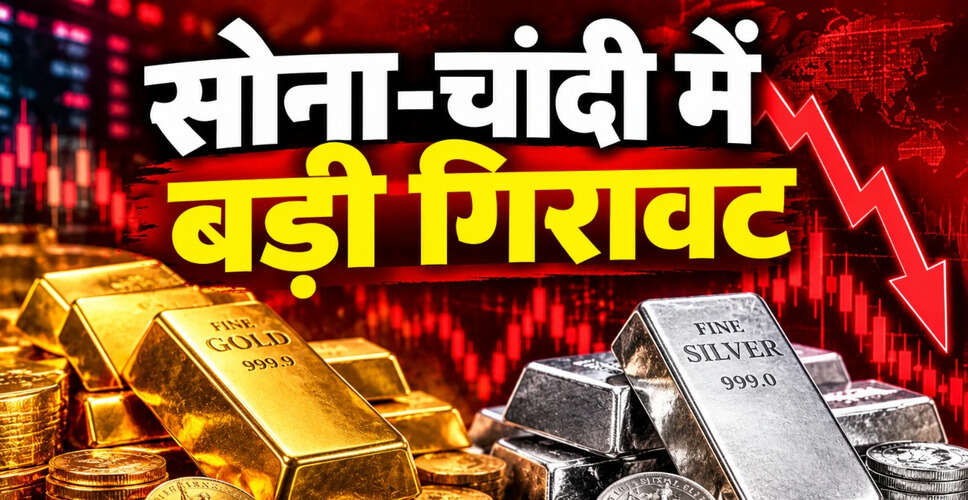
In the past two months, there has been a notable decrease in the prices of gold and silver. Once reaching new heights, the prices of these precious metals have now significantly dropped. Silver has seen a decline of approximately ₹55,000 per kilogram, while gold has decreased by nearly ₹24,000 per 10 grams. This price drop has sparked discussions among potential buyers preparing for the festive season about whether now is the right time to purchase or if prices might fall further.
Gold Prices Over the Last Two Months
According to data from the Multi Commodity Exchange (MCX), the futures price of gold was ₹1,65,600 per 10 grams on August 24, 2026. By October 23, 2026, this price had plummeted to ₹1,42,150 per 10 grams, marking a decline of ₹23,450 over the two-month period. In October alone, gold prices dropped by nearly ₹8,000.
This decline has impacted investors who purchased gold at higher prices. Although gold has long been viewed as a safe investment, its prices are influenced by global economic conditions, interest rates, and the strength of the dollar.
Silver Prices Experience a Major Drop
Silver has also experienced a sharp decline in prices. On August 24, the futures price for silver was around ₹2.51 lakh per kilogram, which fell to approximately ₹1.96 lakh per kilogram by October 23. This represents a decrease of ₹55,000 per kilogram within two months.
In October alone, silver prices dropped by about ₹30,000 per kilogram, bringing the price below the ₹2 lakh mark. Previously, silver prices had surged, but increased selling pressure has led to this decline.
How Much Have Gold and Silver Prices Fallen from Their Peaks?
The recent decline in gold and silver prices is not limited to the last two months; both metals are significantly below their record highs. Market data indicates that gold reached a peak of approximately ₹1.93 lakh per 10 grams, meaning it has fallen by about ₹51,000.
Similarly, silver's record high was around ₹4.20 lakh per kilogram, indicating a drop of approximately ₹2.24 lakh. However, these figures pertain to futures markets, and local jewelry prices may vary based on city, purity, taxes, and other fees.
Reasons Behind the Decline in Gold and Silver Prices
Several international factors are contributing to the decline in gold and silver prices. These include rising tensions in the Middle East, fluctuations in crude oil prices, uncertainty regarding U.S. Federal Reserve interest rates, and high bond yields.
1. Surge in Crude Oil Prices: Tensions in the Middle East and security concerns related to Saudi Arabia have led to an increase in crude oil prices. Higher oil prices can raise inflation expectations, making it challenging for central banks to cut interest rates.
2. Concerns Over U.S. Interest Rates: There are fears that the U.S. Federal Reserve may maintain high interest rates for an extended period. In such an environment, investors may gravitate towards options that offer interest or regular returns, putting pressure on the demand for gold and silver, which do not yield interest.
3. Impact of Bond Yields and the Dollar: Rising U.S. bond yields and a stronger dollar can also exert pressure on gold and silver prices. Since these metals are traded globally in dollars, a stronger dollar can make them more expensive for buyers in other countries.
4. Profit-Taking and Market Volatility: Following a period of rapid price increases, some investors may sell off to realize profits, leading to further price declines. The industrial demand for silver also plays a crucial role, meaning concerns about economic activity can impact its prices.
Is Now the Right Time to Buy Gold and Silver?
The significant price drop may make purchasing gold and silver appealing, but deciding to buy solely based on lower prices may not be wise. The market remains volatile, and it is uncertain whether prices will rise or fall further.
Individuals looking to buy gold or silver for weddings, festivals, or other needs should consider their requirements, budget, and timing. Instead of spending a lump sum at once, phased purchasing could be beneficial, allowing for buying at different price points, though this does not guarantee profits.
Investors should also recognize that gold and silver prices can fluctuate significantly in a short time, especially silver, which tends to be more volatile. Therefore, it is essential to understand the risks and investment duration rather than rushing for quick profits.
Key Considerations When Buying Jewelry
Before purchasing gold or silver, it is crucial to consider more than just market prices. Ensure to check the purity of gold, hallmarking, price per gram, making charges, and GST. For silver, verifying its purity and the weight stated on the bill is also important.
Keep in mind that the futures prices on the MCX may differ from retail prices at jewelry stores. The final price may be higher due to making charges and taxes. Comparing prices and fees across different stores can help make a more informed purchasing decision.
Overall, the substantial decline in gold and silver prices over the past two months has provided relief to buyers, but the market direction remains uncertain. Prices may continue to be influenced by U.S. interest rates, the dollar, crude oil, and global tensions. Therefore, it is advisable to base purchasing decisions on actual needs and financial circumstances.