
SIAM Retracts Concerns Over E20 Fuel Contamination: What You Need to Know
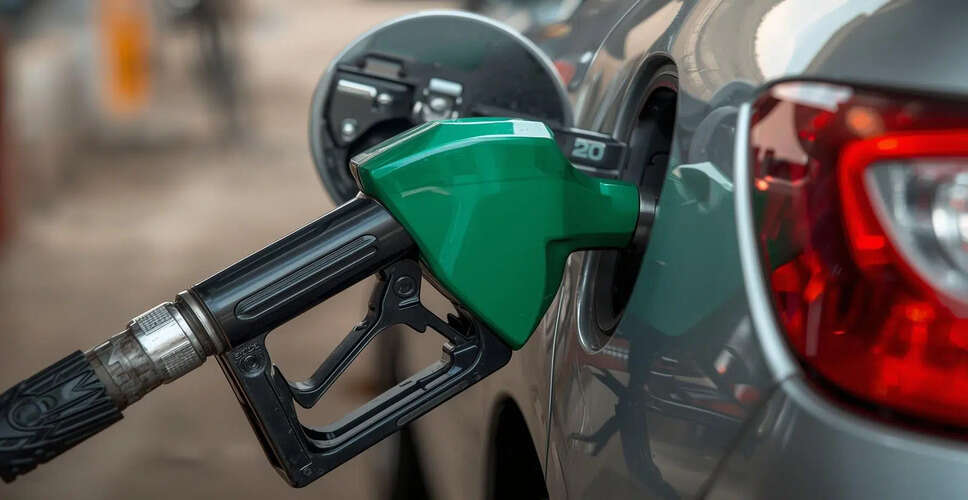

SIAM's Withdrawal of Concerns Regarding E20 Fuel
New Delhi: The Society of Indian Automobile Manufacturers (SIAM) has decided to retract a previous letter sent to the Ministry of Petroleum and Natural Gas, which raised alarms about potential contamination in E20 fuel affecting vehicle performance. The organization cited the necessity for further verification before making any claims.
In their official statement, SIAM clarified that the communication was part of standard technical discussions among various stakeholders, including oil marketing firms, automobile manufacturers, and testing agencies.
They noted that some figures mentioned in the earlier communication require validation through extensive data collection from different regions, followed by thorough consultations with member manufacturers.
SIAM emphasized that the figures reported in the media also need to be authenticated, leading to the withdrawal of their earlier statement.
Reports indicated that the now-retracted letter highlighted issues such as corrosion and wear in vehicles attributed to high chloride levels in the E20 fuel, which could severely damage engine components.
Additionally, SIAM members pointed out that excessive moisture content in E20 fuel at retail stations could lead to fuel separation, causing vehicles to stall immediately after refueling.
The organization also stressed the importance of maintaining storage tanks and pipelines at fuel retail locations.
In their statement, SIAM mentioned that the Ministry of Petroleum and Natural Gas has implemented guidelines for chloride and sulfur levels in ethanol blended into petrol, ensuring compliance with the automobile industry's requirements.
They further noted that oil marketing companies have instituted regular checks, including water ingress testing at over 87,000 outlets, conducted 8-12 times daily and after rainfall near petrol stations.
Reassuring consumers, SIAM stated that the automobile industry fully supports the Indian government's E20 initiative, which is crucial for energy security, and assured that there are no significant concerns as these issues have been routinely managed over the years between the auto sector and oil marketing companies.