
Should India Reintroduce Lower Ethanol Blend Petrol to Protect Older Vehicles?

Concerns Over Ethanol Policy and Older Vehicles
New Delhi: A government advisor has suggested that India should consider reintroducing a petrol variant with a lower ethanol blend to safeguard millions of older vehicles. This statement highlights growing concerns regarding the country's ethanol policy and reflects a strong push for more consumer options.
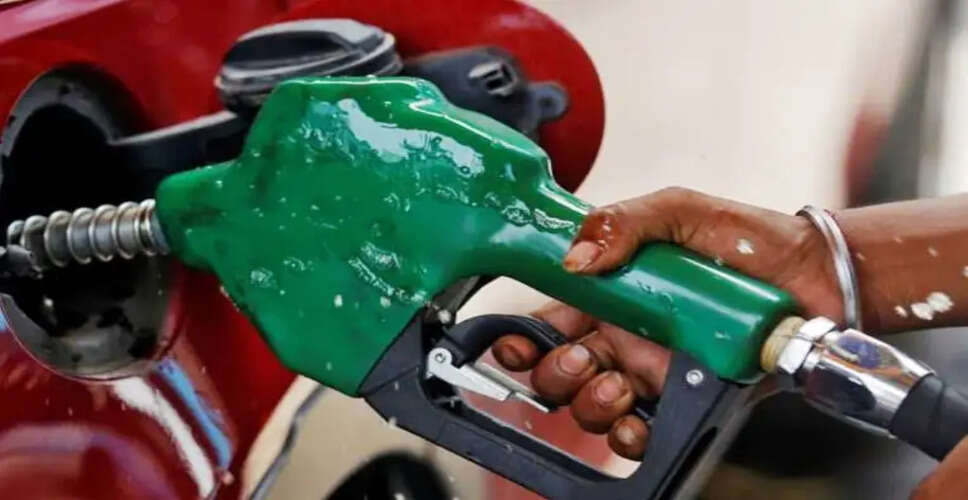
Since April 1, E20 petrol, which contains 20% ethanol, has been the sole petrol variant available at fuel stations across India. This initiative aims to reduce reliance on imported oil, support local agriculture, and lower emissions.
However, some users, especially those with non-BS-VI vehicles, have reported decreased performance and damage to their vehicles, claims that the government has consistently refuted. The Oil Ministry argues that maintaining infrastructure for multiple fuel grades is not practical.
In an opinion piece, Chief Economic Advisor V Anantha Nageswaran and consultant Akash Poojari stated that while evidence does not support the notion that E20 harms engines, it could create issues for India's substantial number of older two-wheelers.
They cautioned against dismissing complaints outright, noting that beneath the surface lies a significant issue. They pointed out that approximately 75 to 80 million older two-wheelers, manufactured before BS-IV, utilize carburettors that cannot adjust to the additional oxygen in the E20 blend, leading to inadequate fuel intake and overheating.
Additionally, older rubber seals, which are not designed for ethanol, may deteriorate upon contact with the fuel, regardless of engine temperature.
The authors proposed reintroducing a lower-blend fuel, such as E10, alongside E20 to protect older vehicles while allowing the government to continue its ethanol initiatives.
They emphasized the need to 'protect the existing fleet while the retrofit program catches up.'
Ethanol has a lower energy content than petrol, which means E20 may reduce the distance a vehicle can travel per litre. However, the authors estimated this energy penalty to be around 6-7%, rather than the more significant reductions often claimed.
Testing in both the United States and India has shown no evidence of increased engine wear in vehicles compatible with E20, according to the authors.
Nevertheless, older two-wheelers with carburettors may face unique challenges since their fuel systems were not designed to adapt to the higher oxygen levels in ethanol-blended petrol. The deterioration of older rubber seals when exposed to ethanol is another concern.
Retrofitting these vehicles with compatible components would be relatively affordable but could take years to implement across India's aging vehicle fleet.
The opinion piece also raised questions about whether India should increase ethanol blending beyond the current E20 target, suggesting that higher blending levels could lead to competition between fuel production and food crops.
Currently, maize constitutes about half of India's ethanol feedstock, with grains making up nearly 67%. This competition could complicate efforts to reduce dependence on edible oil imports.
The authors also expressed concerns regarding water usage, advocating for a focus on 'blue water'—water sourced from rivers, canals, and groundwater—rather than estimates that include rainfall.
The climate benefits of increasing blending beyond E20 are also ambiguous, as studies vary on the emissions impact of grain-based ethanol when cultivation and processing are considered.
Despite these challenges, India's ethanol program has yielded significant advantages, such as alleviating sugarcane arrears, bolstering rural incomes, and providing a stable market for producers. However, maintaining the E20 blend also incurs costs, as distillery capacity and investments have been made based on anticipated rising ethanol demand.
The authors argued that policymakers should prioritize reversible measures—like procurement prices, water-use regulations, and the availability of lower-blend petrol—before making further adjustments to the ethanol blend target.
'The engine debate we witnessed was never the real issue. The real question is about our agricultural choices and the irreversible consequences of those decisions,' they concluded.
Nageswaran and Poojari urged India to reinstate a lower-blend option like E10, address pricing and water-use incentives favoring maize over competing crops, reconsider edible oil import duties, and maintain the ethanol blend at E20 until the food-versus-fuel dilemma is thoroughly evaluated.