
Saudi Arabia Provides $3 Billion Financial Aid to Pakistan Amid Economic Challenges
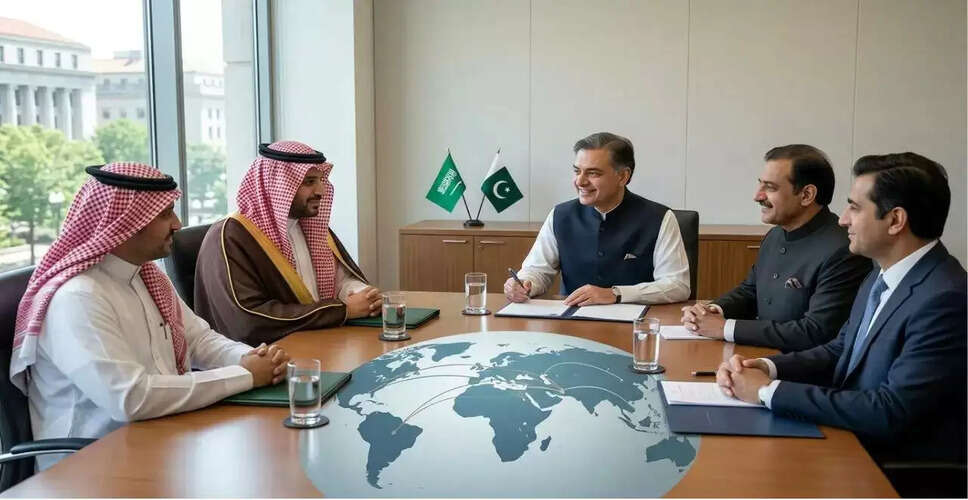

Saudi Arabia's Financial Support for Pakistan
In a significant move, Saudi Arabia has announced a new financial support package for Pakistan, which includes a $3 billion deposit and the rollover of an existing $5 billion facility. This assistance comes at a critical time as Pakistan faces increasing external repayment obligations and pressure on its foreign exchange reserves. Muhammad Aurangzeb, Pakistan’s finance minister, confirmed this development during the World Bank–IMF Spring Meetings 2026 held in Washington, DC. He mentioned that Riyadh is set to provide the additional $3 billion soon, along with an extension of the previous deposit beyond the standard one-year rollover period.
A representative from Saudi Arabia’s finance ministry reiterated this commitment, stating, “Saudi Arabia has agreed to a $3 billion deposit with Pakistan to support their balance of payments,” as reported by various news outlets. This financial aid arrives at a pivotal moment for Pakistan, which is preparing to meet a substantial loan repayment to the United Arab Emirates, further straining its reserves and raising concerns about liquidity and external stability.
Aurangzeb emphasized that the Saudi financial package aims to bolster foreign exchange reserves and enhance the country’s external account, with a goal of increasing reserves to approximately $18 billion, which would cover around 3.3 months of imports by the end of the fiscal year. He also pointed out Pakistan’s dedication to fulfilling its international obligations, highlighting that the recent repayment of a $1.4 billion Eurobond was a “non-event,” reflecting confidence in the nation’s financial management.
Comprehensive Funding Strategy
Pakistan is actively working on a broader financing strategy to stabilize its economy, which includes plans for a Global Medium-Term Note (GMTN) program and the issuance of Panda Bonds to diversify its funding sources and attract international investors. Aurangzeb noted that maintaining positive market sentiment and investor confidence is crucial as the country navigates its complex financial situation. Fortunately, institutions like the IMF and World Bank have increasingly acknowledged Pakistan’s economic policies and diplomatic initiatives. The Saudi financial package is expected to provide immediate relief, assisting Islamabad in managing its short-term financial challenges, but long-term solutions will require more substantial interventions.