
Rising LPG Cylinder Scams Amidst Global Energy Crisis
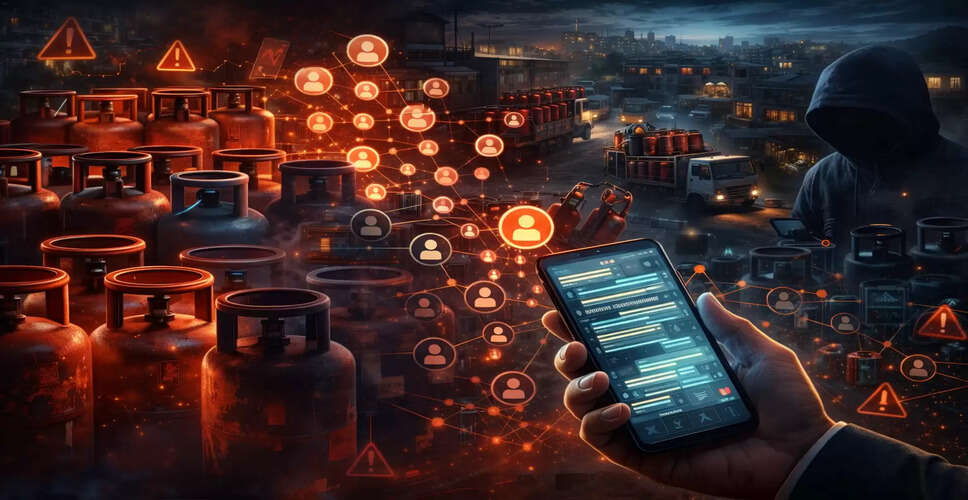

Consumer Challenges in LPG Cylinder Deliveries
The ongoing conflict in Iran has triggered a worldwide energy crisis, leading to significant challenges for consumers in India, particularly regarding the availability of LPG cylinders. In this climate of urgency, individuals are increasingly seeking quick and reliable services, which has unfortunately opened the door for fraudulent activities. Reports have emerged of 'ghost deliveries,' where consumers are informed that their LPG cylinder has been delivered, despite not receiving it. Additionally, some customers have faced issues where their orders are marked as delivered, yet they have not received their cylinders. The current policy mandates a 25-day waiting period after the last delivery before a new order can be placed, complicating matters further.
A resident from Noida Extension reported that she ordered a cylinder on April 10, only to find the status marked as delivered the following day, despite not having received it. This situation has left her unable to place a new order due to the imposed waiting period. Moreover, scammers are exploiting this situation by creating fake websites, phishing schemes, and misleading social media posts to deceive consumers into losing money under the guise of booking LPG cylinders.
Surge in Fraudulent Activities Detected
Over 5,000 Fraudulent Numbers Identified in Just 10 Days
According to Varun Grover, Business Unit Head at a global fraud detection firm, the recent spike in LPG and PNG booking scams has led to the identification of over 5,000 fraudulent numbers within a mere ten days. He emphasized that this increase in digital threats occurs precisely when consumers are most susceptible. For brands in the LPG and PNG sectors, safeguarding consumer trust is as crucial as ensuring cybersecurity.
Grover highlighted the necessity for proactive digital risk management and intelligence gathering to monitor online platforms for phishing attempts and scam networks. He stated, 'The reality is clear: maintaining trust is as vital as protecting operations. Organizations must collaborate with technology partners for timely alerts, swift action against scams, and enhanced digital vigilance, as trust is their most valuable asset.'
Fraudsters often initiate their schemes by instilling panic through messages claiming imminent disconnection of gas services or limited stock availability, capitalizing on current supply issues. They utilize messaging platforms like WhatsApp and Telegram to disseminate fake booking and payment links, as well as urgent KYC requests. In many instances, these scammers impersonate customer service representatives or gas agency officials to gain users' trust before soliciting payments through UPI or bank transfers. These transactions are typically routed through various mule accounts, complicating recovery efforts.