
Rising Jet Fuel Prices Impact Airline Ticket Costs: What Travelers Should Know
Impact of Rising Jet Fuel Prices on Air Travel
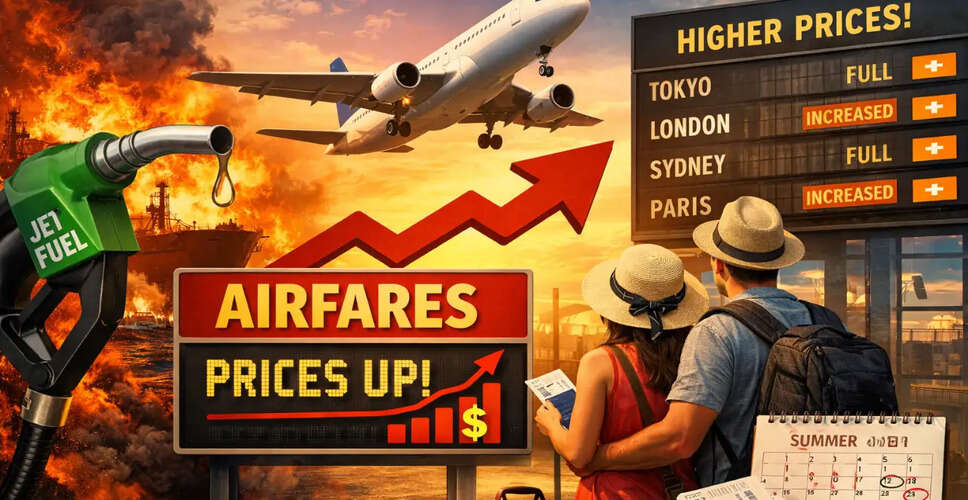
Travelers eyeing summer getaways should act swiftly, as a significant increase in jet fuel prices due to the ongoing conflict in Iran is affecting airline ticket prices. Airlines are adjusting their fares in response to rising operational costs, suggesting that the common tactic of waiting for last-minute deals may not be effective this year. To avoid higher prices later in the season, booking flights sooner rather than later is advisable, as highlighted in a report by a financial news outlet.
Fuel expenses rank among the highest for airlines, second only to labor, typically accounting for 20% to 30% of their operating costs. Following the onset of the Iran conflict, jet fuel prices surged from approximately $2.50 per gallon on February 27 to $3.95 by March 5, stabilizing around $3.40 on March 10. The disruption of shipping routes through the Strait of Hormuz, which handles about one-fifth of global oil traffic, has intensified this price hike.
Willie Walsh, the Director General of the International Air Transport Association, noted that the costs of aviation fuel are escalating more rapidly than crude oil prices. He pointed out that the margin refiners charge above crude prices, known as the crack spread, has more than doubled, according to a report from a business news source. This increase is expected to add an additional $24 billion in fuel costs for airlines, potentially leading to fare hikes of at least 10%.
Airlines Adjusting to New Price Realities
Many airlines have already started to increase their fares, especially in premium cabins where business travelers are less price-sensitive. United Airlines CEO Scott Kirby indicated that price hikes would likely occur swiftly. Reports suggest that long-haul fares in Asia have increased by about 15%.
While domestic travelers might have more leeway, experts advise international travelers to secure their flights now. Brett Snyder, founder of Cranky Flier, mentioned that we are entering the period for favorable summer fares for long-haul flights. Even if fuel prices decrease, ticket prices may not drop immediately, as airlines tend to safeguard future revenue rather than quickly reduce fares, particularly when demand remains high.
To mitigate risks, travelers should consider booking early, opting for refundable fares, and keeping an eye on price alerts. Flying later in August or choosing to depart on a Friday might yield slightly lower prices. Snyder cautioned against overanalyzing the situation, stating, "If the fare is acceptable to you, go ahead and book it, and enjoy your vacation."