
Rising Concerns Over Impure Silver in India's Market

The Growing Issue of Impure Silver
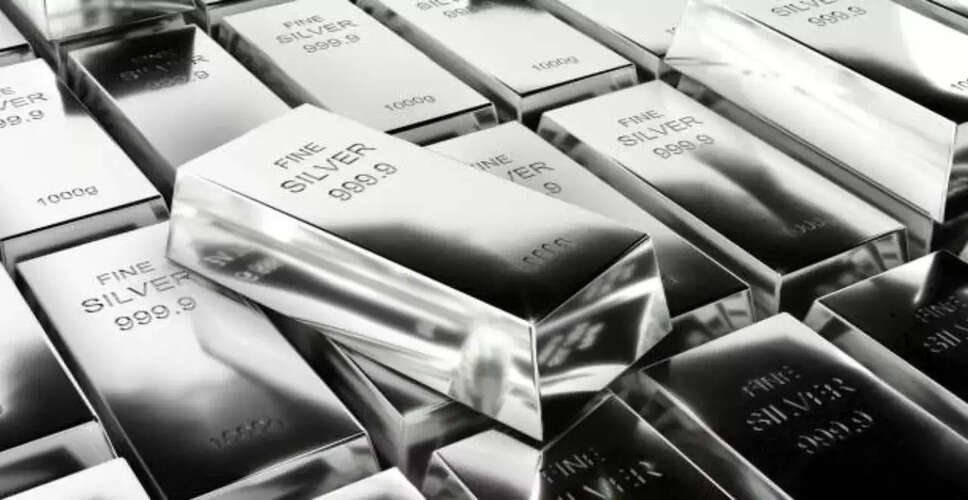
Surprisingly, the presence of impure silver is increasing in India. Recent reports indicate that counterfeit silver bars and coins are proliferating in the market, as fraudsters take advantage of the rising investment interest. In response, silver refiners are pushing for mandatory hallmarking and licensing to enhance transparency and ensure quality, thereby safeguarding consumer interests.
The Bureau of Indian Standards is being urged to enforce strict hallmarking and licensing regulations to tackle these quality issues. Although hallmarking was made compulsory starting September 2025, experts note that compliance among jewelers has been minimal. Regions like Jaipur, Agra, and Cuttack, known for their silver jewelry, are particularly affected by the ongoing purity crisis.
In a recent discussion, Vijay Bhambwani, CEO of Bhambwani Securities Pvt Ltd, emphasized the importance of enforcing hallmarking regardless of purity levels (99.5% or 99.99%). He suggested that strict adherence to hallmarking regulations, along with severe penalties for non-compliance, could effectively deter such fraudulent practices.
This is not the first instance of purity issues or fake hallmarking in India. The country initiated silver hallmarking through the Bureau of Indian Standards in 2025 to combat adulteration and impurity in silver jewelry and artifacts. Back in 2013, the Bureau had already issued warnings about the prevalence of counterfeit hallmarking in various regions. Between 2014 and 2020, refiners raised concerns about purity on multiple occasions.
As the silver market in India stands at a critical crossroads, the challenges posed by impure products due to increased demand present both risks and opportunities. There is a pressing need to enhance regulatory frameworks and establish reliable, transparent facilities to maintain robust demand for silver while addressing quality concerns.