
Rising ATF Prices Challenge Global Aviation Industry Amid Geopolitical Tensions
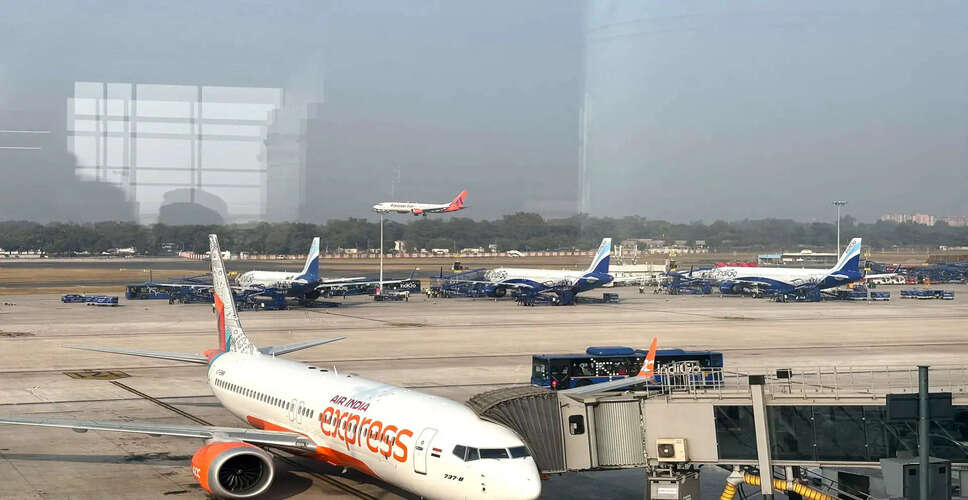
Global Aviation Sector Faces New Challenges
The aviation industry worldwide is currently experiencing significant challenges due to a sharp increase in aviation turbine fuel (ATF) prices. This surge, driven by the ongoing conflict in Iran and rising tensions in the Middle East, poses a threat to airline profit margins and could disrupt the economics of global travel. Despite the spike in jet fuel prices, domestic airfares in India have remained relatively stable, as airlines have absorbed the initial impact while the government keeps a close watch on the evolving situation.
Recently, ATF prices reached an unprecedented high, doubling to Rs 2.07 lakh per kilolitre due to concerns over supply linked to the West Asia conflict. In response, the Indian government implemented a partial increase, limiting the effective rise for domestic airlines to approximately 8.5% (around Rs 1.04 lakh per kilolitre in Delhi) to mitigate the impact on airfares. Meanwhile, international airlines will bear the full increase. The Ministry of Petroleum and Natural Gas stated, "To protect domestic travel costs from the significant rise in international prices, PSU Oil Marketing Companies, in consultation with the Ministry of Civil Aviation, have only passed on a partial increase of 25% (Rs.15/litre) to airlines. Foreign routes will incur the complete hike in ATF prices, similar to what they pay globally."
Impact on Indian Travelers
Impact on Indian Travelers
Since the deregulation of ATF prices in India in 2001, these prices are adjusted monthly based on international benchmarks. The ongoing closure of the Strait of Hormuz and the extraordinary circumstances in global energy markets were expected to lead to a price increase of over 100% on April 1. According to the oil ministry, a full pass-through aligned with global pricing would have resulted in an increase of more than Rs 60 per litre, or Rs 60,000 per kilolitre. However, only Rs 15 per litre (Rs 15,000 per kilolitre) has been passed on to domestic airlines. For international flights, ATF prices will continue to reflect global market rates, leading to varying increases.
IndiGo has announced plans to adjust its fuel charges following the government's 25% increase in ATF prices. The airline expressed gratitude to the government for helping to shield domestic air travel costs from the significant rise in ATF prices. IndiGo is currently assessing how this revised ATF price will affect its operating costs and will announce its updated fuel charges soon.
Rating agencies have adopted a cautious stance regarding the airline sector, with ICRA downgrading its outlook for India's aviation industry from 'stable' to 'negative' due to escalating fuel costs and geopolitical uncertainties.
Global Airline Responses to the Crisis
Global Airline Responses to the Crisis
In response to the crisis, airlines around the world are taking measures to cope with rising costs. Cathay Pacific in Hong Kong has increased fuel surcharges by 34%, highlighting the significant cost pressures faced by long-haul carriers. In Nepal, the government has raised aviation fuel prices for international flights by as much as 117%. Korean Air has entered 'emergency management mode' due to the impact of fuel costs on its business objectives. Thai Airways has also announced fare hikes of up to 15% on various routes in March. Additionally, Air France has indicated that higher fuel prices will lead to increased fares on long-haul flights. The conflict in Iran has resulted in airspace closures across parts of West Asia, forcing airlines to reroute flights between Asia, Europe, and North America, which in turn increases fuel consumption and adds to cost pressures.